
Related Stories
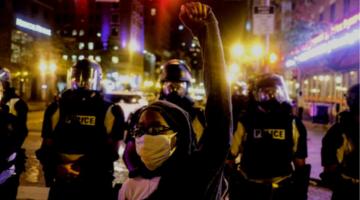
With the ritualistic murder of George Floyd by the occupation forces referred to as the police that roam the streets and barrios of the Black a

In this series, we ask acclaimed authors to answer five questions about their book.

The DC Crime Bill is a continuation of the assault on the Black working class, created to expand control over Black communities via surveillanc

In this series, we ask acclaimed authors to answer five questions about their book.
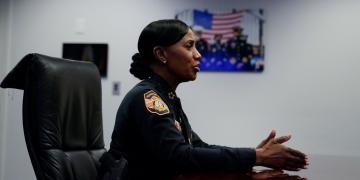
The chief of the Memphis, Tennessee police department took part in trainings in Israel.
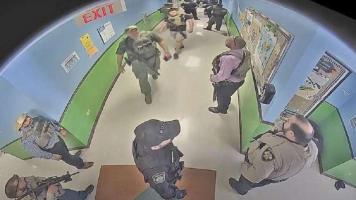
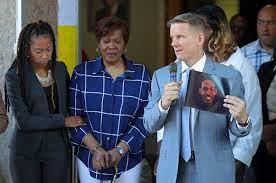
The number of bullets used to kill Jayland Walker have sparked an outcry, but police kill one Black person every day in this country.
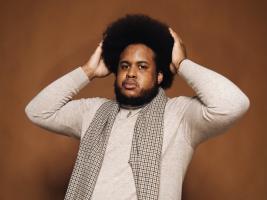
BAR Book Forum editor Roberto Sirvent and Julian Akil Rose discuss community organizing, Black Queer Feminism, the struggle for police and

Police in the United States kill an average of three people every day and one of those persons will be Black.
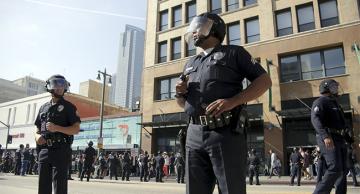
Surveillance is an integral part of policing in this country.
More Stories
 The IMF refused a COVID–19 emergency loan to Venezuela unless it agreed to overthrow President Maduro and installs the Washington-backed Juan Guaidó.
 Elders and already sick folks are at risk down South, the Blackest region of the nation with the worst health care.
 COVID-19 May Trigger a “Crisis of Legitimacy”
 Citing the novel by Chinua Achebe, political prisoner Mumia Abu Jamal notes: “We see outside our doors, our windows, a world we did not know, that now exists.
 “There’s always something new that we couldn’t anticipate,” said Minkah Makalani, professor of African and African American Studies at the University of Texas at Austin.



