by Thomas C. Mountain
The Cuban experience with the next-door imperial power bears similarities to the treatment Eritrea has been subjected to by the U.S. and its proxies in Africa. “Sanctions aimed at crippling their economies and hurting their people have hit both countries hard.”
Eritrea: The Cuba of Africa
by Thomas C. Mountain
“Pax Americana finds it’s role as the only superpower increasingly challenged the role models Cuba and Eritrea.”
The Cuba of Africa? Authentic journalist Andre Vltchek was the first person I heard using the expression and it started me thinking about the small east African country of Eritrea that he was refering to.
The similarities are striking. Both Cuba and Eritrea are small, independent, socialist and revolutionary. Both are suffering under sanctions by the USA and both have been maliciously accused of supporting “terrorism” by the enforcers of Pax Americana.
Cuba and Eritrea have been hit hard by western industrialization precipitated climate change with Cuba being increasingly hammered by hurricanes and Eritrea, lying at the eastern end of Africa’s Sahel, plagued by record breaking droughts.
Both countries have a strong committment to their peoples health and education with Cuba’s public health system the envy of its neighbors and Eritrea leading the way in preventing malaria mortality and HIV/Aids in Africa.
Cuba and Eritrea are both unique to their geographic regions in their refusal to accept demands to impose western style “democracy” on their people. Cuba is the only country in Central and South America that doesn't hold “elections” and Eritrea is the only country in Africa not to do so.
But what is probably the most important similarity is that the governments of both country's came to power through the armed struggle, through “the barrel of a gun”. This puts both in the ranks of a mere handful of such countries that successfully liberated their country’s in the 20th century.
“Both are suffering under sanctions by the USA and both have been maliciously accused of supporting “terrorism” by the enforcers of Pax Americana.”
Many tried but few succeeded, starting with the victory of what became the Soviet Union in the Russian civil war. This was followed two decades later by the Chinese revolution under the “Peoples War” strategy of Mao Tse Tung. Next came Vietnam, following the same “Peoples War” doctrine under the leadership of Ho Chi Minn. Then came the Cuban Revolution under the leadership of Fidel Castro in “Peoples War” short version.
The last successful armed struggle for national liberation in the 20th century was the Eritrean people’s 30-year independence war that saw Africa’s first military defeat of a colonialist power resulting in independence.
Today both Cuba and Eritrea are faced with very serious challenges, both military and economic. Sanctions aimed at crippling their economies and hurting their people have hit both countries hard. Both countries are facing military threats either directly by the USA or via is proxies.
And especially important, both countries are lead by an aging leadership and are struggling to come up with a strategy that will see the next generation of leaders keeping their countries on the path of development that will lead to what the Eritrean President described as “a rich Eritrea without rich Eritreans”.
Cuba has been liberated for over half a century and Eritrea this week will celebrate is 23rd year of independence. As Pax Americana finds it’s role as the only superpower increasingly challenged the role models Cuba and Eritrea represent are becoming more and more of an ideological threat to the “paper tiger” that might describe how the USA is being viewed more and more in today's world.
If the planet is to survive the climate change catastrophe we are facing it would seem that a radical, revolutionary change is needed. Maybe its time to start examining just what can be learned from two small countries that have been at the forefront of resisting the growing threat of the global warming juggernaut the world is facing.

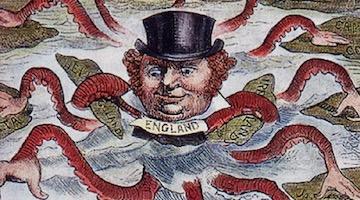 The craven fear of truth in imperial zones, bordering on psychopathic dread, has sustained systemic racism and hegemonic power domestically and globally.
 The not-yet-triumphant Sudan popular uprising was both sophisticated and thorough; it tried to learn from past mistakes and internalize lessons from revolutions of the first wave and elsewhere.
 The Cuban Revolution has shown that when limited resources are distributed equitably and with an emphasis on people and prevention, public health outcomes previously unimaginable can be achieved.
 Savannah is is trying to create a renaissance of profit with live bodies portraying Gullah Geechee, enslaved Africans or immigrant indentures plodding through a mod-gothic spook show.
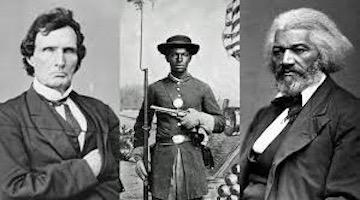 Rep Thaddeus Stevens was an unyielding proponent of the nationalization of the large southern plantations and the redistribution of that land to Black people.


