Buccaneers In Somali Waters - But They're Not Somalis
A Black Agenda Radio commentary by Glen Ford
For a downloadable MP3 copy of this commentary, visit the BA Radio archive page.
"Foreign ‘fish pirates' plunder Somali waters from about 700 vessels - an armada of commercial buccaneers."
So far this year, at least two dozen vessels have been boarded and seized by armed men off the coast of Somalia, the latest a Saudi Arabian supertanker capable of carrying two million barrels of oil. I'm avoiding using the term "pirates" because there is lots of piracy going on in Somali waters, most of it committed, not by Somalis, but by foreigners from around the globe. The northeast African nation, with 2,000 miles of coastline, once boasted some of the richest fisheries in the world, swarming with tuna, lobster, shark, shrimp and whitefish. But there has been no effective government in Somalia since 1991 and, therefore, no Somali coast guard to protect the fishing grounds from marauding foreign vessels. How much damage has been done by over fishing is unknown - foreigners sail into the fisheries as if they own them, and take what they wish.
Webster's Dictionary defines piracy as "robbery on the high seas." By that definition, Somalia is the victim of pirates from all over the world. According to the United Nations, these foreign "fish pirates" plunder Somali waters from about 700 vessels - an armada of commercial buccaneers.
Before Somalia descended into chaos, 30,000 fishermen made their livings from the sea. But they can't compete with the modern, foreign vessels, and there is no one to keep the commercial fish pirates out.
Some foreign fishing interests make their own deals, purchasing fishing "licenses" from warlords purporting to represent authority on behalf of Somalia. That's very much like the "diplomacy" practiced by white settlers in the colonial and early United States, when they made "treaties" with bogus Indian "chiefs" who signed away Native American land for trinkets and liquor.
"The American fleet does little to interfere with the illegal dumping of radioactive waste in Somali waters."
Local and clan militias have replaced national authority in Somalia, which is partially occupied by the Ethiopian military. The Ethiopian invasion and occupation, instigated by the United States in late 2006, has displaced millions, many of whom face starvation. The coastal fishermen are also members of militias. Western media call them pirates, but as one armed sailor told the New York Times: "Think of us like a coast guard."
Somebody needs to guard Somali's water resources, but it certainly isn't the Americans. The U.S. Fifth Fleet, of the U.S. Navy's Central Command, patrols the Red Sea, the Arabian Sea and the Indian Ocean - Somalia's neighborhood. It also bombs Somalis that resist the Ethiopian occupation and targets people the U.S. claims have ties to Al Qaida. But the American fleet does little to interfere with the illegal dumping of radioactive waste in Somali waters or any other crimes against the environment and Somalia's national treasure and sovereignty.
When it comes to piracy, Somalis are on balance the victims rather than the perpetrators. It is estimated that foreigners poach $300 million from Somali fisheries each year. Somalia's armed sailors extort about one-third that amount - $100 million - from the owners of captured ships. So, who are the real pirates?
The United States helped Ethiopia hijack the entire Somali nation: an international crime against peace. Uncle Sam is the biggest pirate of them all.
For Black Agenda Radio, I'm Glen Ford.
BAR executive editor Glen Ford can be contacted at Glen.Ford@BlackAgendaReport.com.

 John Parker is coordinator of the Harriet Tubman Center for Social Justice in Los Angeles and a leading member of the Socialist Unity Party. He is also a member of the Black Alliance for Peace who…
 The latest in Mumia Abu Jamal's defense, the UN Permanent Forum on People of African Descent and its connection to the Durban conference, and a new book “Sanctions: A Wrecking Ball in a Global…
 Johanna Fernandez is an Associate Professor of history at Baruch College, and a longtime advocate for political prisoner Mumia Abu Jamal. She joins us from New York City to discuss the loss of his…
 Efia Nwangaza discusses her participation in the first session of the UN Permanent Forum on People of African Descent, a mechanism that emerged from the 2001 Durban world conference against racism.
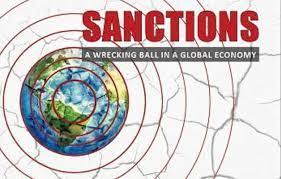 Sara Flounders joins us to discuss her work as editor of the newly published anthology, 'Sanctions: A Wrecking Ball in a Global Economy.' The book is an analysis of U.S. unilateral coercive measures…


