
Related Stories
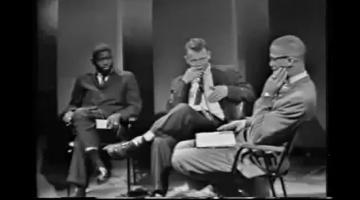
Corporate media require American identity politics which contradict African authenticity.
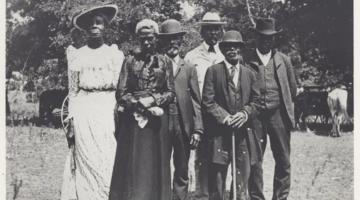
Most people think Juneteenth was simply when enslaved Texans learned they were free, but that is a myth.

In this series, we ask acclaimed authors to answer five questions about their book.
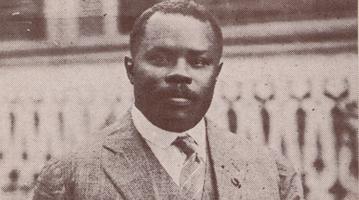
“When the American and West Indian Negroes get to know their history…they will have a greater lov

Looted African skulls come home after a century in German labs, exposing colonialism's history of dehumanizing "race science."

Black people who are among the rich and famous garner praise and love, and so do those who are in distr
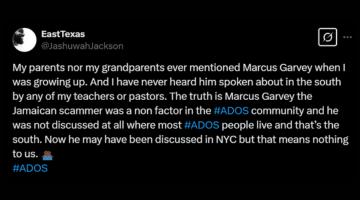
The ADOS and FBA (American Descendants of Slavery and Foundational Black Americans) movements have gained influence by advocating for reparatio
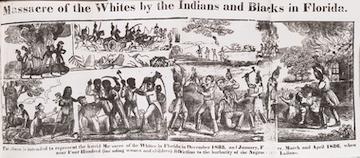
“The Seminoles had set a dangerous example, for if Blacks and Native Americans united everywhere in the
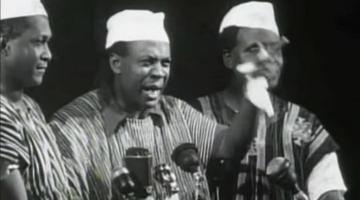
The end of the Second Imperialist War (World War II) did not usher in the end of colonialism and oppression for Africans on the continent and i
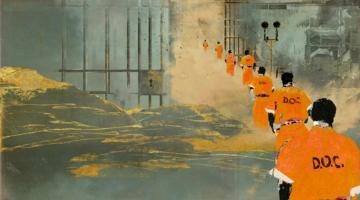
In the U.S., a nation built on the enslavement and exploitation of humans, the system of slavery cannot be destroyed. It has mer
More Stories
 Cuba built a universal health system from scratch, and we should follow that example to replace the US non-system of medical care.
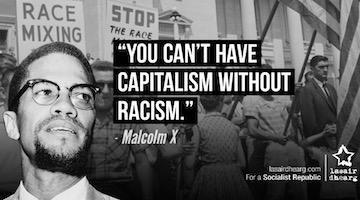 The system of exploitation that bore slavery remains, albeit without slavery, the very same system of exploitation.
 The interpretations of and commentaries in the bibliography vary widely, from unquestionable support for WikiLeaks to outright hatred of Assange.
 White Capitalist Law vs “Uncontrollable Blackness”
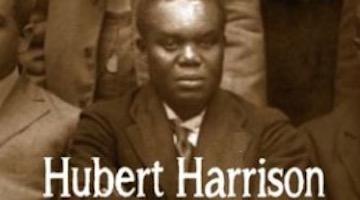 The second volume on the life and works of Hubert Harrison, the Harlem-based activist, organizer and journalist, is about to be released.



