
Related Stories
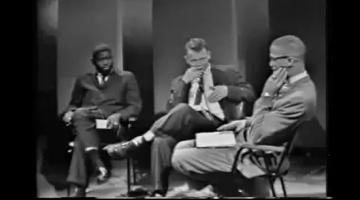
Corporate media require American identity politics which contradict African authenticity.
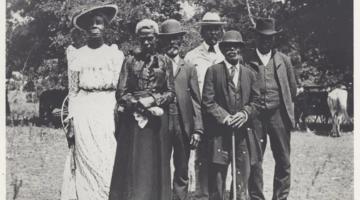
Most people think Juneteenth was simply when enslaved Texans learned they were free, but that is a myth.

In this series, we ask acclaimed authors to answer five questions about their book.
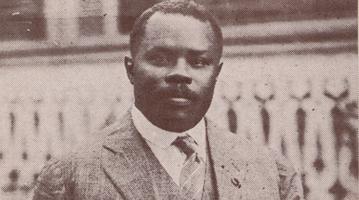
“When the American and West Indian Negroes get to know their history…they will have a greater lov

Looted African skulls come home after a century in German labs, exposing colonialism's history of dehumanizing "race science."

Black people who are among the rich and famous garner praise and love, and so do those who are in distr
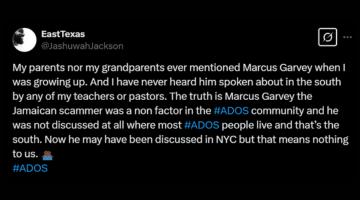
The ADOS and FBA (American Descendants of Slavery and Foundational Black Americans) movements have gained influence by advocating for reparatio
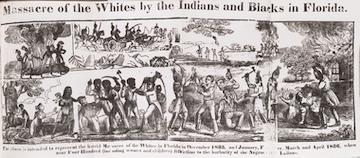
“The Seminoles had set a dangerous example, for if Blacks and Native Americans united everywhere in the
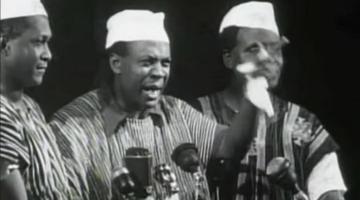
The end of the Second Imperialist War (World War II) did not usher in the end of colonialism and oppression for Africans on the continent and i
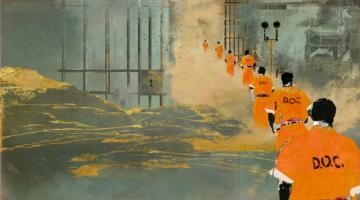
In the U.S., a nation built on the enslavement and exploitation of humans, the system of slavery cannot be destroyed. It has mer
More Stories
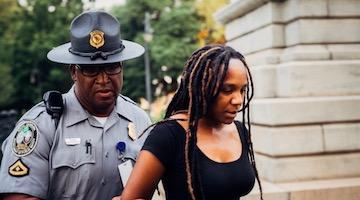 The idea that we can resolve racism by integrating a fundamentally anti-Black institution is the most absurd notion of all.
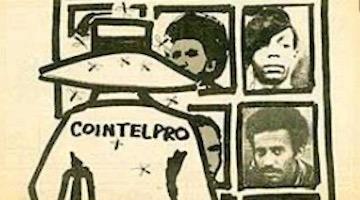 The Bureau’s COINTELPRO deployed every trick and crime in the book to crush left dissidents, from disruption to assassination.
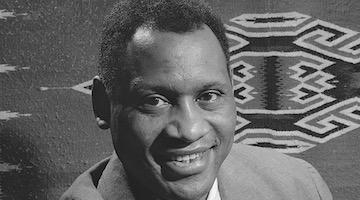 This week the presidential election and the legacy of Paul Robeson were on your minds.
 Politicians ignore at their peril the power of popular culture and its people-moving practitioners.
 Facial masks and Black Lives Matter murals are part of the ever-changing panorama that shapes our perceptions of hierarchy, just as tall buildings do.



