A woman hands out bread to young people in need in front of a bakery in Kabul, Afghanistan. (Photo: Bulent Kilic/AFP via Getty Images)
Wars the US waged in Iraq, Afghanistan, Syria, Yemen, Pakistan, Libya and Somalia following September 11, 2001 caused at least 4.5 million deaths and displaced 38 to 60 million people, with 7.6 million children starving today, according to studies by Brown University.
Originally published in Geopolitical Economy.
The wars the United States waged and fueled in Iraq, Afghanistan, Syria, Yemen, and Pakistan following September 11, 2001 caused at least 4.5 million deaths, according to a report by Brown University.
Nearly a million of the people who lost their lives died in fighting, whereas some 3.6 to 3.7 million were indirect deaths, due to health and economic problems caused by the wars, such as diseases, malnutrition, and destruction of infrastructure.
These were the conclusions of a study conducted by the Cost of Wars project at Brown University’s Watson Institute for International and Public Affairs.
The report also analyzed the effects of wars in Libya and Somalia, which were sponsored by Washington.
The scholars estimated that, in the countries studied, there are still today 7.6 million children under age 5 who are suffering from acute malnutrition, meaning they are “not getting enough food, literally wasting to skin and bones, putting these children at greater risk of death”.
In Afghanistan and Yemen, this includes nearly 50% of children; and, in Somalia, close to 60%.
In a separate study in 2021, Brown University’s Cost of Wars project found that the United States’ post-9/11 wars displaced at least 38 million people – more than any conflict since 1900, excluding World War II.
This 2021 report noted that “38 million is a very conservative estimate. The total displaced by the U.S. post-9/11 wars could be closer to 49–60 million, which would rival World War II displacement”.
The May 2023 study, which estimated that US post-9/11 wars killed 4.5 to 4.6 million people, emphasized that large numbers of civilians are still perishing today, due of the lasting consequences of these violent conflicts.
Although the US military withdrew from Afghanistan in 2021, “today Afghans are suffering and dying from war-related causes at higher rates than ever”, the report noted.
In addition to the staggering death tolls, millions more civilians were wounded and suffered other incredible hardships due to these wars.
“For instance, for every person who dies of a waterborne disease because war destroyed their access to safe drinking water and waste treatment facilities, there are many more who sicken”, the study highlighted.
The 2023 report “highlights many longterm and underacknowledged consequences of war for human health, emphasizing that some groups, particularly women and children, suffer the brunt of these ongoing impacts”.
People living in poverty and those from marginalized groups had higher rates of death and lower life expectancies.
The document stressed how the “post-9/11 wars have caused widespread economic hardship for people in the war zones, and how poverty, in turn, has been accompanied by food insecurity and malnutrition, which have led to diseases and death, particularly amongst children under age five”.
In virtually all wars, indirect deaths represent the majority of the lives lost. The Brown University researchers pointed out, for example, “In conflict areas, children are 20 times more likely to die of diarrheal disease than from the conflict itself”.
Damage to infrastructure that happens during wars is likewise very deadly. “Hospitals, clinics, and medical supplies, water and sanitation systems, electricity, roads and traffic signals, infrastructure for farming and shipping goods, and much more are destroyed, damaged and disrupted, with lasting consequences for human health”, the report noted.
Economic problems caused by these post-9/11 wars have been devastating.
Two decades of US-NATO military occupation of Afghanistan left behind a borderline apocalyptic economic crisis.
More than half of Afghanistan’s population is in extreme poverty, living on less than $1.90 per day. A staggering 95% of Afghans do not have enough food.
In Yemen, more than 17.4 million people are food insecure, and 85,000 children under age 5 have likely died from starvation.
Even in countries where large numbers of US troops weren’t deployed on the ground, Washington’s wars have destroyed the lives of countless civilians.
US drone strikes in Yemen and Somalia “significantly impact people’s livelihood sources”, killing workers, destroying farms and businesses, and bankrupting families.
“The severe impact of such economic setbacks on populations who depend on the land for their survival cannot be underestimated”, the report emphasized.
Washington’s so-called counter-terrorism laws in Somalia have also “hampered humanitarian relief efforts, intensifying the effects of famine”, the researchers noted.
Hundreds of thousands of children have died from famine in the East African nation.
The Brown University studies are part of a growing body of scholarship documenting the death tolls of post-9/11 US wars.
A 2015 report by the Nobel Prize-winning group International Physicians for the Prevention of Nuclear War (IPPNW) concluded that 13 years of Washington’s so-called “War on Terror” caused a total of 1.3 million deaths, including 1 million in Iraq, 220,000 in Afghanistan, and 80,000 in Pakistan.
IPPNW cautioned that this 2015 figure was “only a conservative estimate. The total number of deaths in the three countries named above could also be in excess of 2 million, whereas a figure below 1 million is extremely unlikely”.
Ben Norton is an investigative journalist and analyst. He is the founder and editor of Geopolitical Economy Report, and is based in Latin America.

 This week’s featured author is Lorgia García Peña. Peña is Professor of Latinx Studies at Tufts University. Her book is Translating Blackness: Latinx Colonialities in Global Perspective.
 The people of Peru continue to protest the coup which ousted President Pedro Castillo Terrones. Clau O'Brien Moscoso reports from Peru.
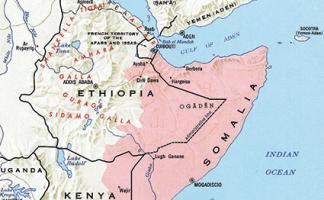 A conflict between Somali unionists and secessionists was spawned by a U.S. attempt to acquire a military base. War and a humanitarian crisis are the end result.
 South Africa's participation in military drills with Russia and China is an indication that the global south are not taking orders from Washington. African nations should continue their…
 The Ministry of Foreign Affairs of the People's Republic of China spells out what is wrong with U.S. foreign policy. While administrations may change, the imperative to dominate doesn't. U.…


