A Black Agenda Radio commentary by BAR executive editor Glen Ford
President Obama claims he’s off to Africa in search of trade. But the Chinese have eclipsed the U.S. in that arena by offering “far better terms of trade and investment than the Americans.” Obama talks trade for public consumption, while the U.S. military locks Africa in a cage of steel.
The Obamas Do Africa
A Black Agenda Radio commentary by BAR executive editor Glen Ford
“The U.S. is not in the business of fair and mutually beneficial trade – it’s about the business of imperialism.”
The President and his family are spending a week in sub-Saharan Africa, with Senegal, Tanzania and South Africa on the itinerary. The focus of the trip, if you believe the White House better terms of trade
No one expects Obama to offer anything on this trip that will reverse America’s declining share of the African market. That’s because the U.S. is not in the business of fair and mutually beneficial trade – it’s about the business of imperialism, which is another matter, entirely. The Americans ensure their access to African natural resources through the barrel of a gun
So, while the Chinese and Indians and Brazilians and other economic powerhouses play by the rules of give and take, the U.S. tightens its military grip on the continent
To justify its rapid militarization of Africa, Washington plunges whole regions of the continent into chaos. U.S. policies, under presidents Clinton, Bush and Obama, have utterly destroyed Somalia, made the Horn of Africa a theater of war, drawn the northern tier of the continent into America’s cauldron of terror, and killed six million people in the eastern Congo.
“The Americans ensure their access to African natural resources through the barrel of a gun.”
The face of America in Africa is war, not trade; extraction of minerals by military intimidation, not conventional commerce. Washington’s priority is to embed AFRICOM
The United States is angry because Washington wanted the Kenyan people to elect a different president, one more acceptable to U.S. policymakers. The Americans expected the whole of Kenyan civil society to bend to Washington’s will, and reject the candidacy
Skipping Kenya was a warning that more serious repercussions may lurk in the future – which is a potent threat, because the U.S. controls most of the guns of Africa. As the U.S.-backed warlord in Somalia said in Jeremy Scahill’s excellent film The Dirty War
For Black Agenda Radio, I’m Glen Ford. On the web, go to BlackAgendaReport.com.
BAR executive editor Glen Ford can be contacted at Glen.Ford@BlackAgendaReport.com .

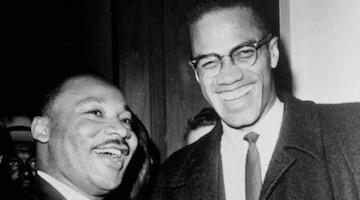 Dr King was a radical, a democratic socialist who saw economic transformation and social justice as inseparable.
 Donald Trump’s nightly tweets have shown that US presidents really don’t make fundamental policy, which is the domain of the corporate ruling class elite.
 A real Green New Deal requires pushing issues Democrats don’t want to discuss, such as nationalization of industries, more democracy, and cuts to the military.
 As Newsguard’s project advances, it will soon become almost impossible to avoid this neocon-approved news site’s ranking systems on any technological device sold in the US.
 New Cold War crazier than the old one; Black and Latino workers face global south conditions inside the US; supporters of Mumia Abu Jamal demand his freedom in Philly.



