A Black Agenda Radio commentary by executive editor Glen Ford
The new agreement in the Democratic Republic of Congo – which has already been violated by U.S.-allied forces – would field a peace-enforcement mission. However, “if the U.S. and the Europeans pay for this nominally African force, and train and equip it, as they do in Somalia, then the U.S. will actually be running the show in Congo.”
Washington Aims to Turn Congo Military Mission into a U.S. Proxy Force
A Black Agenda Radio commentary by executive editor Glen Ford
“It will be up to Angola and South Africa to ensure that the new peace-enforcement brigade does not become a front for the United States.”
Renewed fighting in the Democratic Republic of Congo has left hundreds dead
Only last month, Uganda and Rwanda and eight other African nations signed an agreement
The U.S. arms and finances the Ugandan and Rwandan regimes, and has staunchly protected its African allies from sanction at the United Nations. In that sense, the genocide in Congo is a U.S.-sponsored holocaust. The UN, whose 17,000 peacekeeping troops have done nothing over the years to protect Congo’s territorial integrity, is so deep in the United States’ pocket, it is considering inviting U.S. drones into the region. And the African Union has hopelessly compromised itself by lending its name and legitimacy to an 18,000-troop mission in Somalia proxy force enforcing brigade with the authority to actually use its guns. If the U.S. and the Europeans pay for this nominally African force, and train and equip it, as they do in Somalia, then the U.S. will actually be running the show in Congo.
“The U.S. has been destabilizing Congo since the Clinton administration.”
Washington already stations Special Forces troops
The U.S. position towards Congo can be gleaned from a talk given, last month, at the Brookings Institution, in Washington, by outgoing Assistant Secretary of State for African Affairs, Johnnie Carson. Members of Friends of Congo still under occupation
For Black Agenda Radio, I’m Glen Ford. On the web, go to BlackAgendaReport.com.
BAR executive editor Glen Ford can be contacted at Glen.Ford@BlackAgendaReport.com .

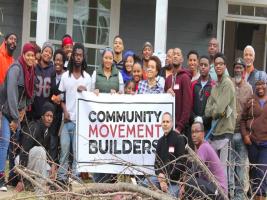 The first year of the Biden presidency proceeds as one would expect from a man who always represented the most retrograde wing of the democratic party.
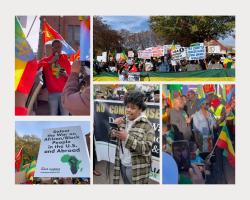 Black Alliance for Peace reminds us that Dr. Martin Luther King, Jr. was the product of a mass movement and at the time of his assassination was following the Black radical tradition.
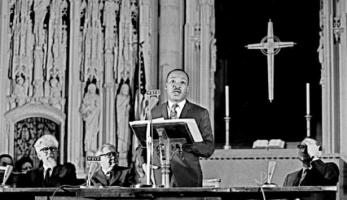 Joe Biden and other politicians may evoke Dr. King's legacy but their actions are an affront.
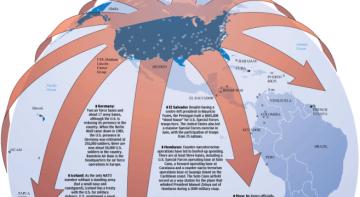 Imperialism is the order of the day for Biden and Harris. There is no harm reduction for the U.S. or for people around the world.
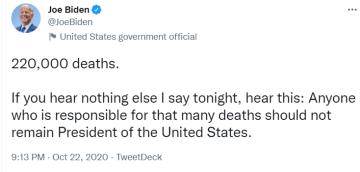 Presidential candidate Joe Biden promised action on issues that had broad public support. But once in office he refused to do what the people wanted.


