A Black Agenda Radio commentary by BAR executive editor Glen Ford
Republicans tend to concentrate African Americans in majority Black voting districts, while Democrats like to scatter Blacks around to help white candidates win office. “Both parties are playing plantation politics with Black voters, for their own purposes.” Coalitions are fine, but African Americans need to address their own problems, on their own terms.
Republicans Suppress Black Vote; Democrats Scatter It
A Black Agenda Radio commentary by BAR executive editor Glen Ford
“The real question is: Whose plantation?”
Democrats in Virginia are up in arms, because the Republicans took advantage of a Black state lawmaker’s absence to push through a redistricting bill
The Democratic state caucus chairman was livid. “This was nothing more than what I call plantation politics,” he declared. The real question is: Whose plantation? Certainly, Virginia Republicans intended to weaken the Democratic Party as a whole by moving African American voters out of some white Democrats’ districts. The Democrats like to scatter Black voters around, so they can provide the winning margin in a close contest. They want to keep Blacks as reliable voters on their plantation. Republicans would prefer to keep Blacks from voting, at all, but if they must vote, the GOP wants as few of them as possible in contestable districts. So, let’s be clear: both parties are playing plantation politics with Black voters, for their own purposes. In this case, it is the Republican plan that would result in an additional Black state senate seat.
“The political life of the community is stilted in a process in which they must choose between the lesser evils among white politicians.”
The Democrats claim that concentrating the Black vote dilutes Black voting strength, even if more African Americans are elected to office. But that’s only true if one accepts that white Democrats who win office with Black help actually represent Black people. In reality, Black concerns rarely see the light of day in electoral contests in which Blacks are not majorities or near majorities. The political life of the community is stilted in a process in which they must choose between the lesser evils among white politicians. In such elections, Blacks never get to argue among themselves about the kind of future they want to build for their own communities. They are just fodder for white Democrats.
Truth be told, conservative Black politicians have mastered the art of marginalizing Black voters, even in majority Black districts. In 2002, former Black Republican Denise Majette white people’s candidate unprecedented appeal still lost by a landslide
Need I mention the name, Barack Obama?
No, what Black America needs are Black political conversations, preferably in Black majority circumstances. To hell with the Republican and Democratic plantations.
For Black Agenda Radio, I’m Glen Ford. On the web, go to BlackAgendaReport.com.
BAR executive editor Glen Ford can be contacted at Glen.Ford@BlackAgendaReport.com

 BAR’s senior columnist: “If everything you know about Russia is from the New York Times and the Washington Post, you don’t know anything about Russia.”
 The US must cease its military occupation of Africans at home and abroad, and abandon its attempt to rule the world by force.
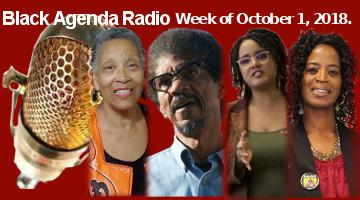 Kevin Gray: Federalist Society created to change US Constitution; Nwangaza: Prison strike leaders shd pay more heed to local support groups; Romarilyn Ralstson: corporations hire you in prison but
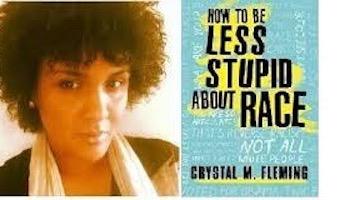 Corporate Democrats don’t defend people’s rights when they are in power, but with Trump in the White House the Democrats now “pretend to care so deeply about racism and patriarchy,” said Crystal Fl
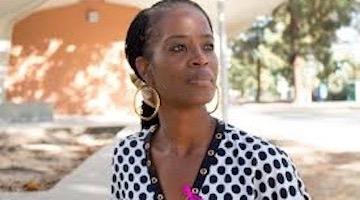 Exploitation of prison labor is rampant across the nation, said Romarilyn Ralston, program coordinator for Project Rebound at California State University at Fullerton.



