A Black Agenda Radio commentary by Glen Ford
Back in 1986, the U.S. Congress crafted legislation to put as many Black crack cocaine users in prison as possible, while sparing white users of powdered cocaine. Hundreds of thousands of arrests and more than a million years in prison later, the U.S. Justice Department went on record favoring equalization of penalties on both kinds of cocaine. “Any civilized court would treat such blatantly race-based mass punishment as a crime against humanity – possibly an element in a broader charge of genocide.”
Last Days of “Cracked-Up-Black-Buck-Runs-Amok” Law
A Black Agenda Radio commentary by Glen Ford
“The 23-year-long crack dragnet affected every social structure in Black America.”
It appears the racially-motivated sentencing laws that treat possession of crack cocaine as 100 times more worthy of punishment than powder cocaine, will soon pass into history. It’s been 23 years since the Congress was stampeded into passing legislation that mandated ten years in prison for possession of a mere 50 grams of crack, a cheap and favored high in Black communities. Powdered cocaine had long been too expensive for ghetto tastes. To earn ten years in jail, the predominantly white users of powdered cocaine would have to get caught with 5,000 grams of the stuff – 100 times the weight for ten years worth of crack.
Although the legislation was racist from the moment of its conception, more than half the Congressional Black Caucus voted for it back in 1986. The Black lawmakers bought into the hysteria that claimed crack cocaine made previously normal people deadly violent. There’s no question that crack was associated with horrific violence, most of it between drug dealers engaged in wars to control the millions in profits generated by crack. But the cases of 94 percent of the crack offenders in prison today have nothing to do with violence.
The crack laws were designed to put massive numbers of Blacks behind bars. They were successful in condemning hundreds of thousands of young Black men and women to millions of collective years in prison. Eighty-two percent of those convicted for crack cocaine in federal court, are Black; only 9 percent are white. Clearly, the crack cocaine laws are models of efficiency in the mass destruction of Black lives under color of law. Any civilized court would treat such blatantly race-based mass punishment as a crime against humanity – possibly an element in a broader charge of genocide. The 23-year-long crack dragnet affected every social structure in Black America, leaving utter devastation in its wake. The effects of this unrelenting campaign of mass Black incarceration – of which crack cocaine was a key component – were so pervasive, the system finally seemed to run out of new Black bodies to arrest. This is one of the likely reasons that, in recent years, drug arrest rates for Blacks have gone down, while white arrest rates have shot up dramatically.
“Any civilized court would treat such blatantly race-based mass punishment as a crime against humanity.”
The biggest change came last week, when for the first time a high-ranking member of the U.S. Justice Department testified in favor of Black Texas Congresswoman Sheila Jackson-Lee’s bill that would equalize the penalties for crack and powdered cocaine possession. President Obama supported such a change when he was a candidate.
But who is to say that Congress or the states will not tomorrow enact another racially-tailored “Black Buck Runs Amok” law? What should be required, are Racial Impact Statements that would measure any disparities in the ethnic outcomes of the law’s enforcement. If impact statements are useful in deterring harm to the environment, then surely Black folks and other human beings need protection from racist laws – and from hate-filled, racist lawmakers. For Black Agenda Radio, I’m Glen Ford.

 Developing countries and mass organizations at the COP17 summit continue to demand compensation for damage and loss created by fossil fuel production in industrialized capitalist nations. The…
 There have been endless news stories about basketball player Kyrie Irving. But insight on celebrity culture and acknowledgement of the confusion that is deliberately created in this country is…
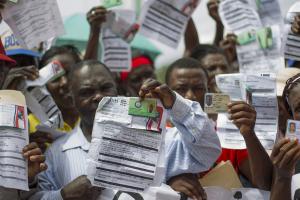 Oppression of Haitians in the Dominican Republic intensifies, as deportations and discrimination against Dominicans of Haitian descent continues. The Socialist Workers Movement of the Dominican…
 In this segment we will learn about the scarcity of affordable housing in New York City and why this public need is not being met. We will also hear about how voting rights for formerly convicted…
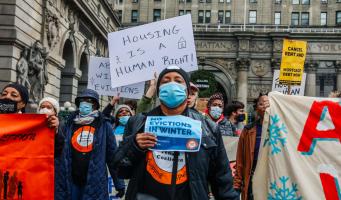 Leah Goodridge is an attorney, housing advocate, and member of the New York City Planning Commission. She is a former member of the Rent Guidelines Board which sets the rents for regulated apartments…


