
Related Stories
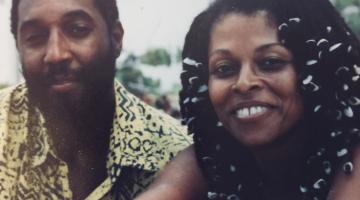
On May 30, 2026, a Celebration of the Life and Legacy of Assata Shakur was held at the Riverside Church in New York City.
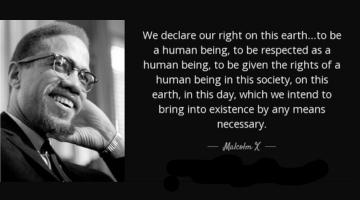
This piece was originally published in Black Agenda Report i
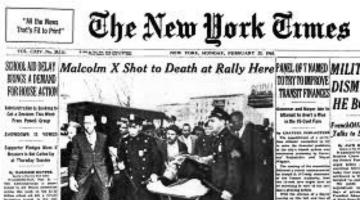
I.I awakened early that Sunday morning. Seized time fortalking, that Sunday morning. Time for connecting.
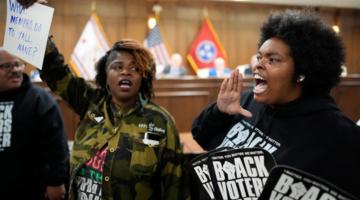
Tennessee just erased its only majority-Black voting district.

The spectacle of major sporting events does not simply distract from a city's crackdown on the working class.

The conditions are ripe for growing Black political consciousness, but revolutionary movements must broaden their reach to all sectors and clas
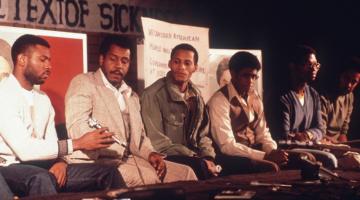
Black youth fed xenophobia instead of international solidarity become military pawns who risk their own lives and their people's libe
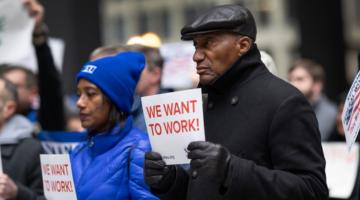

“The Poor People’s Campaign is the greatest single challenge ever unleashed upon our colonial system.”
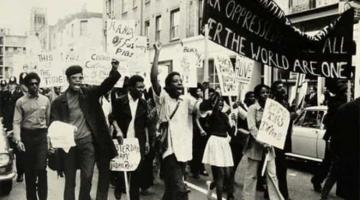
Africans in the U.S. must weaponize their position and sabotage imperial projects from the inside.
More Stories
 While the education of Palestinian youth is under constant criticism for “promoting violence” against the zionist settler state, the entire structure of Israel is oriented to generate an environment…
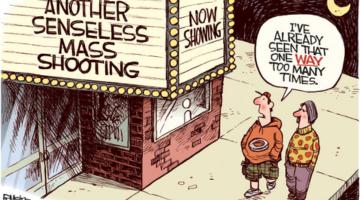 Mass shootings have become ubiquitous in the US, as part of a gun-obsessed culture that manufactures and exports violence around the world. This pandemic of violence is a creation that serves ruling…
 Joe Biden's several decades in political office have proved him consistent in his depraved indifference toward the suffering of oppressed people around the globe as he offers full-throated support…
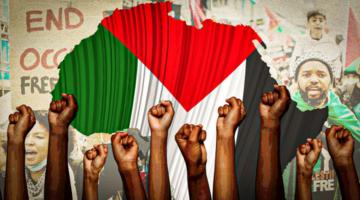 ROAPE interviews South African Human Rights activist and academic Salim Vally on Israel’s genocidal war on Gaza and the relationship between Palestinian liberation and Africa.
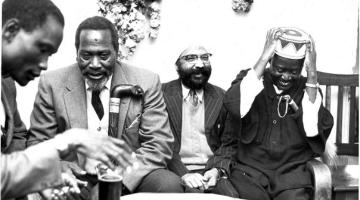 Despite the veneer of progress, what does a historical critique of East Africa’s capitalist beacon reveal?



