
Related Stories
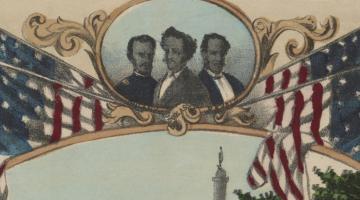
From the 1870 15th Amendment to the Voting Rights Act of 1965, voting rights for Black people have proven to be ephemeral.
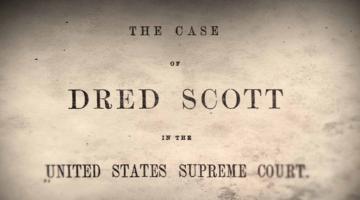
The Supreme Court decision in Louisiana v.
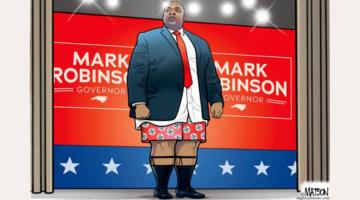
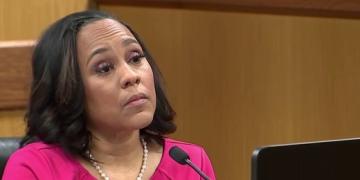
Public reaction to the Fani Willis soap opera is an example of how cynical Black misleadership creates confusion among the masses.
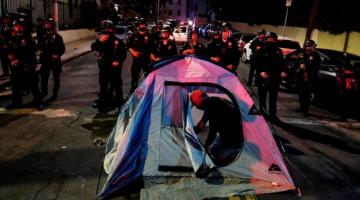
The Supreme Court will soon decide if unhoused people can be issued jail time or fines for sleeping on the streets.
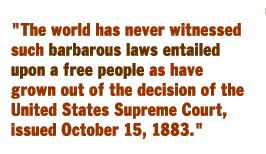
The Supreme Court has always been a political institution.
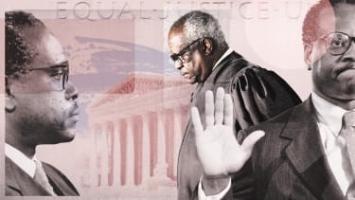
The recent Supreme Court decision which banned the use of race as a criterion for college admissions is indeed racist.

The recent Supreme Court ruling which bans affirmative action as an admissions' criteria does not apply to the military academies.
More Stories
 Over 40% of Black and Latinx households pay more than 30% of their income on rent, compared with 25% of white households.
 Black Agenda Radio for Week of July 19, 2021 Class Struggle Shapes Haiti Political Conflict
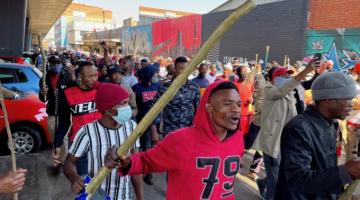 In the wake of the jailing of former president Jacob Zuma on corruption charges, two South African provinces were swept by riots that current President Cyril Ramaphosa called an attempted “insurrec
 Despite portraying Donald Trump as representing everything they oppose, when Democratic President Joe Biden took over the White House he left Trump’s measures against Cuba and China intact, virtual
 Class conflicts between Africa-born and Haiti-born Blacks and mulattos shaped Haitian political battle lines before and after the 1804 revolution and to this day, said Haitian American author and a



