
Related Stories
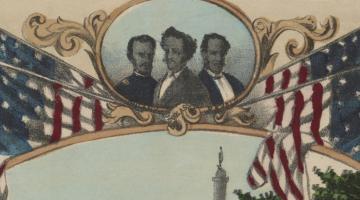
From the 1870 15th Amendment to the Voting Rights Act of 1965, voting rights for Black people have proven to be ephemeral.
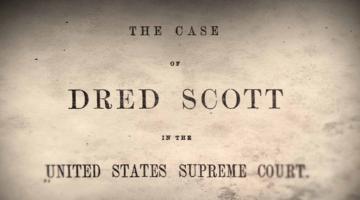
The Supreme Court decision in Louisiana v.
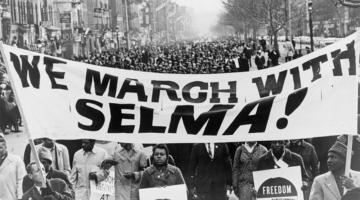
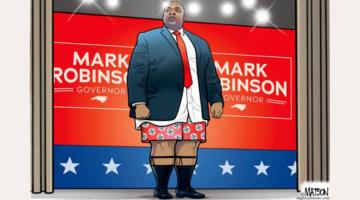
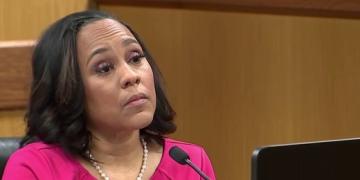
Public reaction to the Fani Willis soap opera is an example of how cynical Black misleadership creates confusion among the masses.
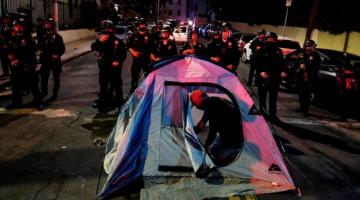
The Supreme Court will soon decide if unhoused people can be issued jail time or fines for sleeping on the streets.
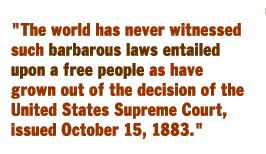
The Supreme Court has always been a political institution.
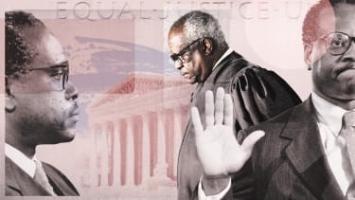
The recent Supreme Court decision which banned the use of race as a criterion for college admissions is indeed racist.

The recent Supreme Court ruling which bans affirmative action as an admissions' criteria does not apply to the military academies.
More Stories
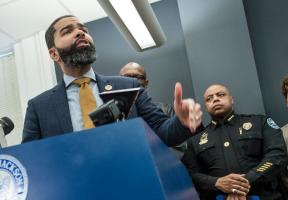 Jackson, Mississippi’s Black mayor is celebrated as a “radical” in some quarters, but his cops kill, maim and abuse Black people just like police forces everywhere in the US.
 Inequality: The American Ethos
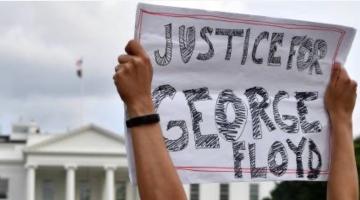 Medical, economic and political crises have combined to create a “perfect storm for reading, because of the ways that the ideology of whiteness has come to its limits,” said Aparna Mis
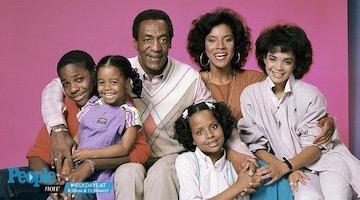 A segment of African Americans has long been obsessed with promoting images that are positive representations of The Race, but recurring police atrocities show the necessity to “expose the regime o
 The US has historically been a place where “fairness is adjudicated unevenly, it’s based on inequality” in which “certain people deserve more than others,” said Ampson Hagan,



