by Bill Quigley
U.S. workers are in bad shape. Two-thirds of poor people have jobs that don’t lift them out of poverty. Actual unemployment is at least twice as high as the official figure. Blacks are twice as jobless as whites, as they have been for generations. CEO’s make hundreds of times more than their employees. The employment disaster is closely linked to the act that “union membership is at its lowest rate in 70 years.”
Ten Troubling Numbers Labor Day 2015
by Bill Quigley
“The real rate of unemployment is 10. 3 percent.”
5.1. The official unemployment rate is 5.1 percent, or 8 million people, according to the US Department of Labor. However, this widely reported “official” number overlooks the millions of people unemployed for more than a year nor does it count those who are working part-time and looking for full-time work. The Department of Labor monthly report, which includes people working part-time and looking for full-time work, shows the real rate of unemployment is 10.3 percent.
6. It has been 6 years since the minimum wage of $7.25 per hour was raised.
8.9. Millions of adults, 8.9 million in fact, work full-time, year round and earn too little to lift their families out of poverty.
9.5. Unemployment among African Americans is officially reported by the US Bureau of Labor Statistics at 9.5 percent while unemployment among whites is 4.4 percent. This report does not count the millions of people who have been unemployed for more than one year or who are working part-time and want to work full-time.
“More than 40 million workers do not have paid sick days.”
11. Union membership in the US is 11 percent according to the Department of Labor. Public sector unions have a membership rate of 36 percent compared to 6 percent of private sector workers. Union workers earn about $200 more per week than non-union workers. Union membership is at its lowest rate in 70 years, according to the New York Times. The International Monetary Fund found declines in unionization results in higher income for those in the top 10 percent.
21. Worker productivity went up 21 percent between 2000 and 2014 while wages rose only 2 percent according to the Economic Policy Institute.
68. More than two-thirds of the poor in the US work, 68 percent.
82. Full-time women workers earn 82 percent as much as men reports the Institute for Women’s Policy Research.
204. The average Chief Executive Officer earns 204 times what average workers earn, according to a 2015 report by research firm Glassdoor.
40,000,000. More than 40 million workers, mostly low-wage workers, do not have paid sick days; so they are much more likely to go to work while sick, according to the National Partnership for Women and Families.
Bill Quigley teaches at Loyola University New Orleans and can be reached at quigley77@gmail.com.

 Today’s seekers of social justice need to grapple with what the legacies of past freedom fighters actually demand of us.”
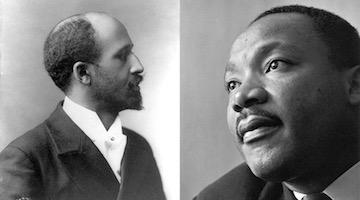 Black natural law allows us to identify the ideas of the powers that be, the ideas of the wealthy and the white, and demolish them.
 In principle, the government of Colombia recognized Black people’s right to collective ownership of land back in 1993, but these rights have not been fully achieved, in practice.

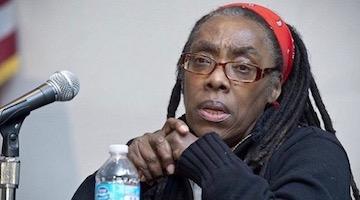 Longtime MOVE Family spokesperson Ramona Africa’s health took a turn for the worse, necessitating an emergency appeal for assistance.



