by Thomas C. Mountain
The small, fiercely independent nation of Eritrea has mobilized its entire population to combat the effects of climate change. “When the rains failed in 2013, we had enough to eat while in much of the rest of the Sahel hundreds of thousands starved to death.” Reforestation and reservoir-building are key to surviving drought in new climate disorder.
Surviving Climate Disaster in Africa's Sahel
by Thomas C. Mountain
“By the time Eritrea won its independence on the battlefield in 1991 less then 2% of our forests remained.”
ASMARA – For over 30 years the great Sahel Desert region in Africa has been a harbinger of the coming climate disaster our planet is facing and surviving such has become a national priority here in Eritrea on the eastern end of the Sahel.
Remember Michael Jackson and the great Ethiopian drought and famine of the early 1980’s? That was just the beginning. In 2003 and 2004 we here in Eritrea next door to Ethiopia suffered the first two year drought in history, followed in 2008 and 2009 by another back to back drought. Including the failure of the rains in 2013, Eritrea suffered 5 years of drought in a single decade.
This isn’t climate change, this is climate disaster and science tells us that the world should be preparing for even worse things to come. Thanks to the mainly western countries contribution to rising CO2 levels heating up the planet droughts will test the very ability of our species to survive, something we here in Eritrea know all to well.
After the droughts of 2003 and 2004 the government here initiated a major water conservation plan that, along with reforestation and soil conservation, is a template for other countries to use to prepare for the climate catastrophe being predicted.
"Our school children spend a month every summer planting trees."
What this means is that, everywhere possible, micro dams, dams and major water reservoirs are being constructed to capture the rains that do fall and use them to irrigate our fields, beginning to break the age old dependence on rain-fed agriculture.
Disastrous drought interrupted by record breaking floods is what is being foretold by scientists and the only way to survive these man made disasters is recognizing what needs to be done – and then busting ass to see it gets accomplished.
This may explain why Eritrea’s president is away from his office for weeks at a time overseeing the construction of major water reservoirs around the country. And all this hard work being lead from the very top has paid off for when the rains failed in 2013 we here in Eritrea had enough to eat while in much of the rest of the Sahel hundreds of thousands starved to death.
Water conservation is critical but so is reforestation and soil conservation, for without trees to help absorb the water and hold the soil in place and terraces to catch the soil the floods wash away our water reservoirs, which will fill with silt and undo all our hard work. As a result our school children spend a month every summer planting trees and communities, alongside the national service army, regularly schedule work days to build stone wall terraces to trap the soil run off.
“Everywhere possible, micro dams, dams and major water reservoirs are being constructed to capture the rains that do fall.”
Colonialism and deforestation go hand in hand everywhere for forests are the natural sanctuary for rebels fighting their colonial masters. Therefore, whether in Haiti or Eritrea, cutting down trees became a weapon against insurgency by our western colonializers.
When the Italians began to colonize Eritrea in the 1880’s over 30% of our country was forested. By the time Eritrea won its independence on the battlefield in 1991 less then 2% of our forests remained. This man made environmental holocaust left Eritrea very little in the way of reserves to survive the CO2 driven climate disasters we have since faced and forced our leaders to sacrifice a lot of other development projects that would have raised the standard of living for our people in our need to prepare for worse disasters to come.
Some years back the Eritrean president was ridiculed in the western media for calling for ten years of grain reserves being kept in storage, but today his plan is making all too much sense. Only time will tell if all our hard work will be enough to prevent the worse climate disasters foretold from wreaking havoc on this country, but what choice do we have?
Hopefully Eritrea’s efforts will provide a role model for other countries around the world and help prevent untold suffering by our brothers and sisters internationally.
Thomas C. Mountain has been living and reporting from Eritrea since 2006. He can be reached at thomascmountain at gmail dot com or, when he is off in the field and away from the internet, which is much of the time, via mobile at 2917175665.

 Empire taught us what to believe about the Global South. It also taught us how to move through it, and being colonized here does not exempt us from carrying those beliefs with us.
 The Bush administration had long planned a global war for U.S. hegemony, and the attacks of September 11 provided the perfect pretext to put those plans into motion.
 Oklahoma prison inmates were making political calls for a conservative Super PAC during the primary.
 Longtime attorney Flint Taylor’s new book tells the story of the People’s Law Collective, which grew out of the radical movements of the late 1960s.
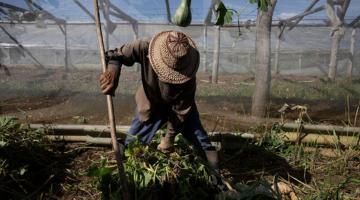 The Trump administration has already cut off Cuba’s access to oil. Now it’s attempting to starve the Cuban people, targeting the country’s capacity to grow, process, and import food — unless it buys…


