Beating Trial of LAPD Officer Begun, Then Delayed By “Peace Officer's Bill of Rights”
by BAR special correspondent Thandisizwe Chimurenga
The case of People v. Mary O’Callaghan began in a Los Angeles courtroom last Wed., Feb. 25, but was halted and delayed till April 2 as the court moved to hear new evidence in the case. Approximately 50-60 perspective jurors who had been sworn in were dismissed.
Mary O’Callaghan is the LAPD officer who kicked/stomped 33-year old Alesia Thomas seven times in the groin/vaginal area in July of 2012. She was charged with Abuse Under Color of Authority by the L.A. County District Attorney’s office after a recommendation from an internal LAPD hearing. If convicted O’Callaghan could face a maximum of one year in county jail and/or a fine of $10,000 if convicted.
At issue appears to be statements made by an unidentified police officer to O’Callaghan on the night Alesia Thomas was arrested: that the officer told O’Callaghan to “stop it; cut it out.”
The evidence of this statement was brought to the attention of the prosecutor just prior to the start of the day’s proceedings. The statement was made at an LAPD Board of Rights hearing for the officer in question therefore, it is considered to be a private, personnel issue per the state’s Police Officer's Bill of Rights Act. (POBRA) The defense argues that it should be entitled to the evidence of the statement as part of the discovery process and to use to possibly impeach future testimony. In order for the prosecutor to turn over said evidence, a hearing called a Pitchess Motion must be made.
According to the judge presiding in the trial, Terry Bork, the trial cannot proceed without the evidence in question being turned over to the defense. Bork granted the defense’ request for a continuance and dismissed the potential jurors.
Pitchess Motions are currently the only way that information in a police officer’s personnel file can be given to someone outside of the police department, such as a defense attorney, in the state of California.
The Police Officer's Bill of Rights Act (POBRA) has been and continues to be a source of frustration for many anti-police terror activists in California. Reports of officer-involved shootings, excessive force and disciplinary matters are all off limits to activists, journalists, accountability advocates as well as the general public because they are contained in an officer’s personnel file and are considered private.
Thomas left her two small children at the 77th Street Division of the Los Angeles Police Department around 2 a.m. the morning of July 22, 2012. The children reportedly had a note with them that said their grandmother should be called.
Police officers eventually ended up at the door of Thomas’ apartment a few hours later to question her about the abandonment of her children. Police made a decision to take Thomas into custody where a struggle ensued. Officers reported that they struggled to get Thomas out of her 2nd floor apartment building and then struggled to get her into a police car. Thomas was eventually put into the back of the police car but her legs were reportedly hanging outside of the door. O’Callaghan and her fellow officers were having difficulty getting Thomas all the way into the back seat, and at one point O’Callaghan was overheard by one fellow officer to threaten to kick Thomas “if she kept it up.” O’Callaghan eventually “utilized her feet seven times on three separate occasions to push or kick the Subject, in the upper thigh, groin and abdomen area” into the police car, according to an internal LAPD report.
Judge Bork has scheduled the Pitchess Motion to be heard on April 2.
Thandisizwe Chimurenga is a freelance journalist based in Los Angeles and the author of No Doubt: The Murder(s) of Oscar Grant. She covered the Detroit trial of Ted Wafer for the murder of Renisha McBride in 2014 for Black Agenda Report dot com and Color of Change dot org.

 Class conflicts between Africa-born and Haiti-born Blacks and mulattos shaped Haitian political battle lines before and after the 1804 revolution and to this day, said Haitian American author and a
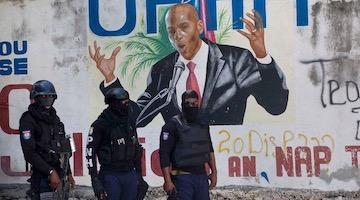 The United States playing any role in Haiti’s future is akin to the fox being left in charge of the henhouse.
 There is a lesson to be learned from the differences in recent U.S. and Chinese historical celebrations.
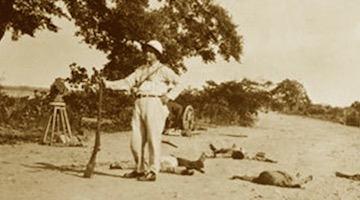 Published in 1920, Self-Determining Haiti remains a remarkable example of investigative journalism and advocacy and a damning testament to the perils and pitfalls of US military
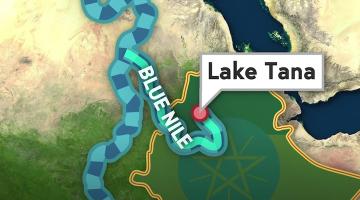 Three nations share the same water, but not the same foreign connections, which makes for a dangerous mix.


