Change Racist Crack Cocaine Laws
by Anthony Papa
"Only the U.S. Congress can eliminate the
racist sentencing disparity between powder and crack cocaine."
This article previously appeared in Counterpunch.


Does the number 1 equal 100? In
common math it does not, but when you are talking federal drug sentencing it
unfortunately does. If you distribute just five grams of crack, it carries a
minimum five-year federal prison sentence. If you distribute 500 grams of
powder cocaine, it carries the same sentence. This 100:1 sentencing disparity
has been condemned for its racially discriminatory impact by a wide array of
criminal justice and civil rights groups. Hispanics and whites make up the
majority of crack cocaine users, but the majority of those convicted under
crack cocaine offenses are African Americans.
After many years of heated
debate over the issue of crack vs. powder cocaine sentencing disparities, the U.S.
Sentencing Commission decided to ease the penalties for crack on November
1, 2007. A hearing was held on November 13 to determine whether or not to apply
retroactively recommended revisions to the federal guidelines that lowered the
minimum sentences for crack cocaine-related offenses. If recommended, about
4,000 prisoners will be released this year by shaving an average of two years
off their sentences, with almost 16,000 to follow. In theory, it would be the
largest single act to reduce the sentences of federal prisoners.
"The Justice Department quickly put out a
statement saying that the proposed changes to the law would put thousands of
violent criminals back on the streets."
Critics were quick to exploit
the age-old defensive argument that the flood gates of hell would be opened if
such an action were to become law. The Justice Department quickly put out a
statement saying that the proposed changes to the law would put thousands of
violent criminals back on the streets. The National Association of Assistant
U.S. Attorneys warned that by freeing thousands of prisoners it would
overburden prosecutors. Advocates
rebutted saying that if the law is passed it will be a small step towards
mitigating the sentence disparity between crack and powder cocaine, which
disproportionately affects people of color. Even federal judges like Chief
Justice Robert Pratt of Iowa, has said that talk of a sudden large amount of
freed prisoners was inflated, and that workloads should not prevent creating
fair sentencing in crack cocaine cases that serves the interests of justice.
Some say that Congress probably
did not set out to pass racially discriminatory crack cocaine laws some twenty
years ago. Whether or not these laws were created with the intention of
targeting African Americans, let's make no mistake about it: it has. Jasmine
Tyler, deputy director of national affairs for the Drug Policy Alliance, said,
"We are encouraged by the U.S. Sentencing Commission's commitment to do
what is in their power to address harsh crack cocaine sentences, and we are
hopeful that the Commission will apply this relief retroactively. However, only
the U.S. Congress can eliminate the racist sentencing disparity between powder
and crack cocaine sentences and we implore them to do so now."
"Pharmacologically they are the same drug."
The unfair sentencing that is in
effect was enacted based on the many myths that surround crack use. These
included media stories that told of a "crack baby" epidemic in the
1980s, stories now found to be greatly exaggerated or flat-out lies. Research
now shows that factors such as smoking and drinking, malnutrition, inadequate
sleep, and poverty are responsible for the many pre-natal ailments associated
with crack use. Criminal penalties for possession and sales of cocaine are
severe. But the penalties for crack cocaine are much more severe, despite the
fact that pharmacologically they are the same drug. If these suggested changes,
take affect and are applied retroactively, it will do a lot to balance the
scales of justice in reforming a bad law that has dished out unfair sentences
to people convicted of crack cocaine offenses.
Anthony Papa is the author of "15 to Life" and a
communications specialist for the Drug
Policy Alliance. He can be contacted at tpapa@drugpolicy.org.

 France and Germany pressured African Union leaders for months to join a brief Zoom call with Ukraine’s Volodymyr Zelensky. 51 of 55 African heads of state (93%) boycotted the meeting, showing clear…
 The International Monetary Fund has a long history of insisting on loan conditionalities which are harmful to public services. This practice did not change even during the pandemic, with African…
 Leftist formation wins Colombian presidential election, the effort to end involuntary servitude in U.S. prisons, the impeachment of a Black legislator in Brazil, and the nature of fascism and need…
 Ajamu Baraka is National Organizer of the Black Alliance for Peace. He joins us to discuss the recent election results in Colombia where Gustavo Petro, became the new president, and Francia Marquez,…
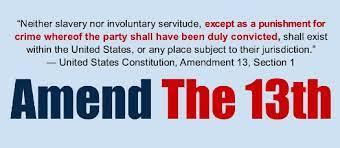 Savannah Eldrige is the founder of Coaliton to Abolish Slavery in Texas, an organization devoted to ending involuntary servitude in that state. She is also the founder of Be Frank 4 Justice which…



