A Black Agenda Radio commentary by BAR executive editor Glen Ford
President Obama claims he’s off to Africa in search of trade. But the Chinese have eclipsed the U.S. in that arena by offering “far better terms of trade and investment than the Americans.” Obama talks trade for public consumption, while the U.S. military locks Africa in a cage of steel.
The Obamas Do Africa
A Black Agenda Radio commentary by BAR executive editor Glen Ford
“The U.S. is not in the business of fair and mutually beneficial trade – it’s about the business of imperialism.”
The President and his family are spending a week in sub-Saharan Africa, with Senegal, Tanzania and South Africa on the itinerary. The focus of the trip, if you believe the White House better terms of trade
No one expects Obama to offer anything on this trip that will reverse America’s declining share of the African market. That’s because the U.S. is not in the business of fair and mutually beneficial trade – it’s about the business of imperialism, which is another matter, entirely. The Americans ensure their access to African natural resources through the barrel of a gun
So, while the Chinese and Indians and Brazilians and other economic powerhouses play by the rules of give and take, the U.S. tightens its military grip on the continent
To justify its rapid militarization of Africa, Washington plunges whole regions of the continent into chaos. U.S. policies, under presidents Clinton, Bush and Obama, have utterly destroyed Somalia, made the Horn of Africa a theater of war, drawn the northern tier of the continent into America’s cauldron of terror, and killed six million people in the eastern Congo.
“The Americans ensure their access to African natural resources through the barrel of a gun.”
The face of America in Africa is war, not trade; extraction of minerals by military intimidation, not conventional commerce. Washington’s priority is to embed AFRICOM
The United States is angry because Washington wanted the Kenyan people to elect a different president, one more acceptable to U.S. policymakers. The Americans expected the whole of Kenyan civil society to bend to Washington’s will, and reject the candidacy
Skipping Kenya was a warning that more serious repercussions may lurk in the future – which is a potent threat, because the U.S. controls most of the guns of Africa. As the U.S.-backed warlord in Somalia said in Jeremy Scahill’s excellent film The Dirty War
For Black Agenda Radio, I’m Glen Ford. On the web, go to BlackAgendaReport.com.
BAR executive editor Glen Ford can be contacted at Glen.Ford@BlackAgendaReport.com .

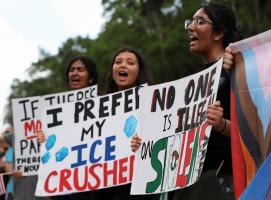 "No kings and things (Of mobilized masses)" is the latest from BAR's Poet-in-Residence.
 A recent report prepared by Garb Yaakov, a Professor at Ben-Gurion University of the Negev in Israel, and published on The President & Fellows of Harvard College Dataverse website, has…
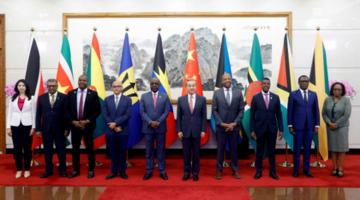 The Caribbean has become an emerging battleground in the U.S.-China rivalry, as regional states strategically navigate between the demands of superpowers and their own development needs.
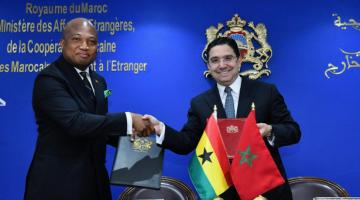 Ghana endorsed Morocco’s autonomy plan for Western Sahara, abandoning its long-held support for Sahrawi sovereignty. Now Ghana is aligned with Morocco’s expanding economic and diplomatic maneuver…
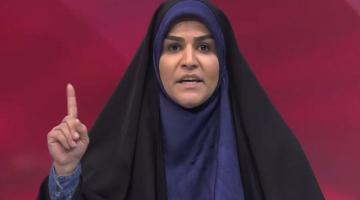 Statement from the Sovereign Media collective, a new coalition of anti-imperialist media organizations, on the Israeli regime's assault on journalists from Palestine to Iran.


