Maurice Carney, Executive Director of Friends of the Congo, joins Black Agenda Report to discuss the latest outbreak of Ebola Virus Disease and explains what it tells us about conditions in that…
Leah Goodridge, a New York City-based attorney, housing advocate, and writer, is a member of the City Planning Commission. She joins Black Agenda Report from New York to discuss deed theft and…
Margaret Kimberley, BAR Executive Editor and Senior Columnist
, Ahmed Kaballo
Margaret Kimberley of Black Agenda Report speaks with Ahmed Kaballo, founder of Nairobi-based Sovereign Media, about the Africa Forward summit with France, the Pan-Africanism Summit Against…
Margaret Kimberley, BAR Executive Editor and Senior Columnist
Venezuela’s betrayal of Alex Saab in handing him over to the U.S. leaves little room for debate. The Bolivarian revolution has been seriously undermined and can only be revived by the Venezuelan…
Malcolm X understood that “oppressed peoples must commit themselves to radical political struggle in order to advance a dignified approach to human rights.” What’s needed is a bottom-up mass movement…

 Maurice Carney, Executive Director of Friends of the Congo, joins Black Agenda Report to discuss the latest outbreak of Ebola Virus Disease and explains what it tells us about conditions in that…
 Leah Goodridge, a New York City-based attorney, housing advocate, and writer, is a member of the City Planning Commission. She joins Black Agenda Report from New York to discuss deed theft and…
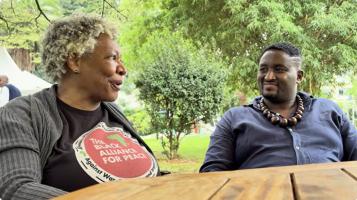 Margaret Kimberley of Black Agenda Report speaks with Ahmed Kaballo, founder of Nairobi-based Sovereign Media, about the Africa Forward summit with France, the Pan-Africanism Summit Against…
 Venezuela’s betrayal of Alex Saab in handing him over to the U.S. leaves little room for debate. The Bolivarian revolution has been seriously undermined and can only be revived by the Venezuelan…
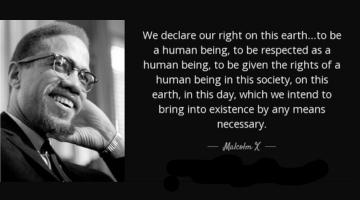 Malcolm X understood that “oppressed peoples must commit themselves to radical political struggle in order to advance a dignified approach to human rights.” What’s needed is a bottom-up mass movement…


