A Black Agenda Radio commentary by Glen Ford
Around 12,000 inmates will get out of prison immediately or early due to retroactive application of a law to adjust sentences for crack cocaine possession – but no thanks to Obama's top lawyer. “Attorney General Eric Holder argued that less than half the inmates – only about 5,500 – should be allowed early release.” Crack is still 18 times more punishable than powdered cocaine, which is why 85 percent of federal crack convicts are Black. “The crack cocaine disparity is a legalistic expression of a racial slander, that Blacks are inherently more prone to violence.”
Thousands to Leave Prison Early on Crack Charges – But That's Still Not Justice
A Black Agenda Radio commentary by Glen Ford
“Around 12,000 men and women should get some of their lives back – starting right now for nearly 1,900 of them.”
November 1 was a very good day for thousands of Americans, 85 percent of them Black. That’s the date when a 2010 law that reduced the disparity between sentences for crack and powder cocaine possession was made retroactive, making some inmates eligible for immediate release
The bad news is, the sentence reductions only apply to federal prisoners. Most drug offenders, including for crack, are held in state prisons – but we’ll get to that, a little later.
When Congress passed the Fair Sentencing Act, last year, it reduced the sentencing disparity for crack and powder cocaine from the previous 100 to 1 ratio, to 18 to 1. That ain’t justice, but it was all that the legislature of a profoundly racist country would allow. The change applied immediately to all newly arrested persons, but did not retroactively reduce the prison terms of those already convicted. Then, this summer, the U.S. Sentencing Commission decided to apply the law to those already serving time – unless Congress decided otherwise before November 1. Congress wasn’t deciding much of anything this session, but Attorney General Eric Holder argued that less than half the inmates – only about 5,500 – should be allowed early release. Holder wanted to keep behind bars those he described as having significant criminal histories, or who possessed weapons while committing their crimes of drug possession. The Sentencing Commission disagreed, believing that Holder was employing the same presumptive reasoning 1986 Anti-Drug Abuse Act
“Holder wanted to keep behind bars those he described as having significant criminal histories, or who possessed weapons while committing their crimes of drug possession.”
But that’s just a drop in the bucket, for the vast American prison gulag. Most crack prisoners are held in state facilities. Thirteen states still discriminate between crack and powdered cocaine. According to a report of the Sentencing Project called “Cracked Justice,” Missouri hands down mandatory 10-year sentences for six grams of crack, the same as for 450 grams of powder – a 75 to 1 disparity. Oklahoma enforces a 6 to 1 ratio for a minimum ten years for 5 grams of crack. Arizona’s disparity is 12 to 1, and less than one gram of crack will get you five years in prison.
The same logic prevails now as back in 1986: that crack is a more violent substance than powder. We all know, of course, that the crime is actually judged by who is holding the dope, not the dope itself. The crack cocaine disparity is a legalistic expression of a racial slander, that Blacks are inherently more prone to violence. It is a logic that much of the Congressional Black Caucus bought into, in 1986, and that the Black U.S. Attorney General behaves as if he believes, today. The national policy of mass Black incarceration could not long continue if it did not have lots of Black collaborators, in high places and low.
For Black Agenda Radio, I’m Glen Ford. On the web, go to BlackAgendaReport.com.
BAR executive editor Glen Ford can be contacted at Glen.Ford@BlackAgendaReport.com .

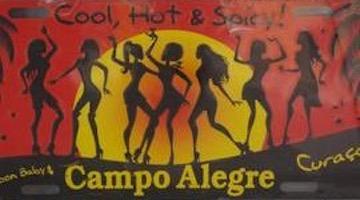 Sexual issues were loudly debated among anti-colonial activists in the Dutch Caribbean colonies of Curaçao and Aruba, said Chelsea Shields, a history professor at the City Universi
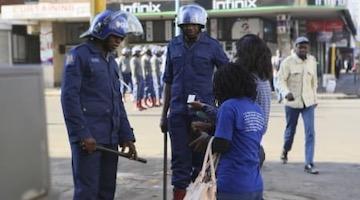 Black women “posed a problem” for the Black government that replaced white rule in Zimbabwe, because their bodies were thought to “disturb urban space,” said Rudo Mudiwa, a PhD in
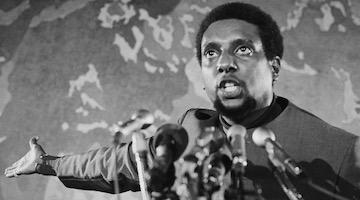 In the political hotbed that was Dar es Salaam, Tanzania, in 1967, US Black Power advocate Stokely Carmichael, who had not yet changed his name to Kwame Ture, made both friends and enemies among th
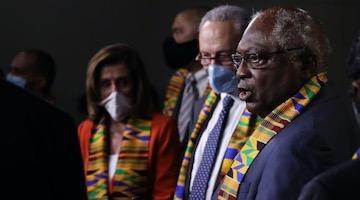 The Black misleaders have been busy selling out Black people for half a century, but are still only barely tolerated by the rich man’s Democratic Party and its racist figurehead, Joe Biden.
 The civil rights groups’ rather basic requests for voting rights protections and the need for federal intervention to address police brutality were minimized and dismissed by the president-ele


