
Related Stories
Former Black Panther Deputy Minister of Defense Byron Booth's journey from Compton to Cuba, Algiers to Lagos, reveals the global reac
Corporate media require American identity politics which contradict African authenticity.
This piece was originally published in Black Agenda Report i
I.I awakened early that Sunday morning. Seized time fortalking, that Sunday morning. Time for connecting.

The same legal machinery that once protected Jim Crow segregation has found a new way to strip Black voters of political power without touching
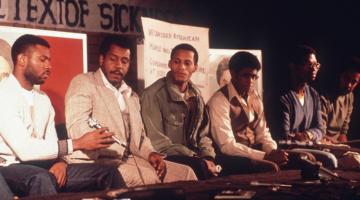
Black youth fed xenophobia instead of international solidarity become military pawns who risk their own lives and their people's libe
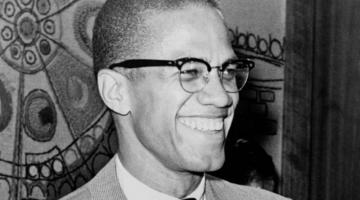
A top-notch legal team is delving into how the FBI and their local police partners collaborated in both the assassination of Malcolm X and Chic

The US government left Black residents to die after Hurricane Katrina, refusing Cuba's offer of emergency doctors.
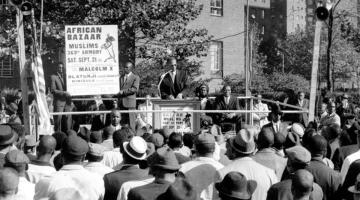
Malcolm X didn’t just fight for Black liberation—he waged war on empire itself. As U.S.
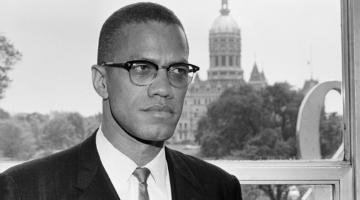
Every year, people around the world honor Malcolm X. Though he was taken from us prematurely, his memory and impact remain.
More Stories
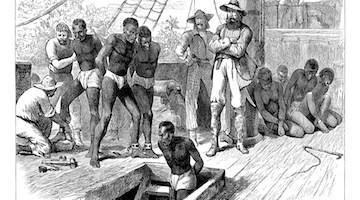 As the world ignores the ignominious 500th anniversary of the buying and selling of slaves between Africa and the Americas, historians uncover its first horrific voyages.
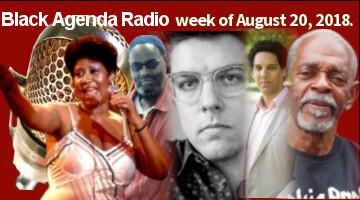
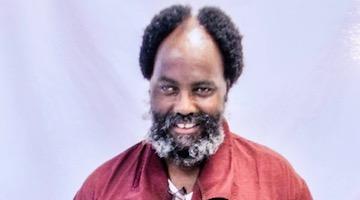 Mumia Abu Jamal on the passing of Black music great Aretha Franklin: “She returns to the celestial choir after 76 summers of earthly life.”
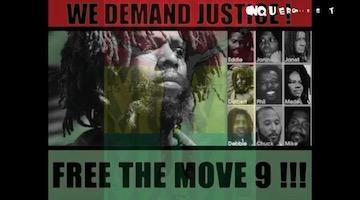 “Those hearings that are coming up on August 30th could lead to a new trial for Mumia,” said Orie Lumumba, of Family and Concerned Friends of Mumia Abu Jamal.
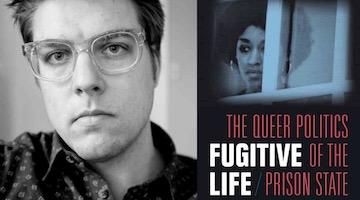 The underground radicals of the 1960s and 70s were prescient in their political analysis, according to Stephen Dillon, author of Fugitive Life: The Queer Politics of the Prison



