
For my Niece
(and Me )
“If ever I would leave you…
it wouldn’t be in Summer…”
—Frederick Loewe
An invisible boxer’s blow
on the chin… Everything’s
fuzzy…
Everything’s a blue blur…
Can it ever be the same?
Velvet-gloved gut punch—
first surreal breath inhaled
by burglarized lungs. First breath
Without the one who pushed,
cursed, labored you into the mix—
jumped you in the game…
First surreal second
minute/hour
day/week
month/year
First surreal breath
inhaled
Without the one who pushed,
cursed, labored you into the mix—
jumped you in the game
Weeping…spending tears wisely—
you wish sweet, long Goodnight…
Grieving’s your puzzle; your prayer
strengthening memories pregnant with
Pain—And blurred by joy…
After the soprano hits tear notes; After
the last fiery phrase preached fades
After the quietest ride through the ‘hood
After uttering of “Ashes to ashes…”
After the flowers fade, wilt, brown; And
After the women go back to their shows and
hair— And the men back to boxing, basketball
and Church of the NFL
A song remains…
Let it lullaby you sleep—loop loving dreams
in living color;
Let it moan on its own—spirit swollen within;
Or, just
Let it sit silently in your throat and dissolve…
…like a honeyed, healing cough drop into:
“Sometimes I feel like a Motherless Child
Sometimes I feel like a Motherless Child
Sometimes I feel like a Motherless Child—
A long ways from home…”
© 2023. Raymond Nat Turner, The Town Crier. All Rights Reserved.
Raymond Nat Turner is a NYC poet; BAR's Poet-in-Residence; and founder/co-leader of the jazz-poetry ensemble UpSurge!NYC. You can Vote for his work at: GoFundMe and PayPal.

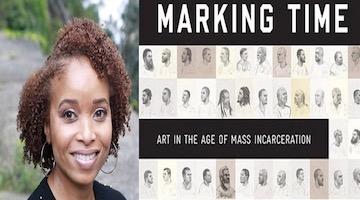 Incarcerated activists have so many tools and skills to teach about resisting brutal regimes.
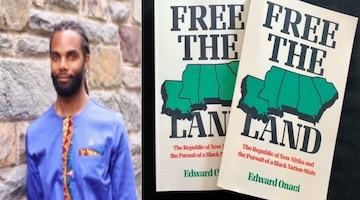 The desire for US citizenship was never the sole consideration of African and African-descended people.
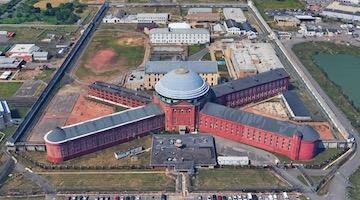 In 1990, Lawrence Bell was 14, orphaned and living in an abandoned house when three Camden cops pressured him to sign a confession of murder.
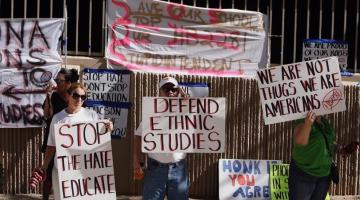 The US university is marked by the dominance of intellectual white liberalism in tension and complicity with conservative nationalism and neoliberalism.
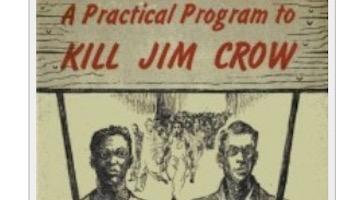 Alabama Communists helped lay the foundation for the organized civil rights movement that emerged in the late 1940s and early ’50s.



