
Related Stories
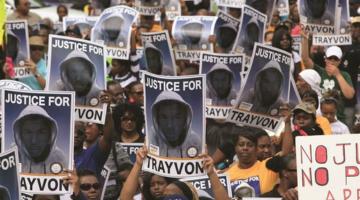
As Black Agenda Report is poised to celebrate its 20th anniversary, we reprint Glen Ford's commentary on the killing of Trayvon Martin and the
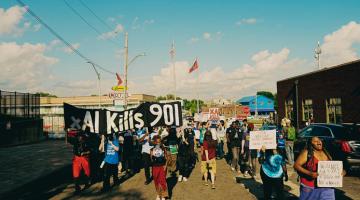
Artificial intelligence and hyperscale data center buildout constitute a new front of environmental racism and a project to optimize white supr

Race is a sociopolitical construct, not a biological truth.
“George Washington/Slave-owner general/Ironic that the father of this country/
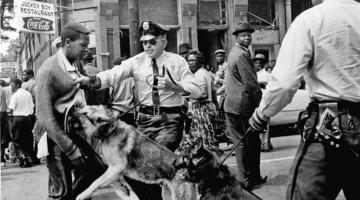
To understand the violence of contemporary immigration enforcement, one must trace its lineage directly to the antebellum slave patro

Jake Paul’s ascent in boxing is a cultural symptom of an empire in decline.

The assassination of a far-right demagogue raises the question: when does 'free speech' become a tool for inciting violence?
“...white paranoia is here to stay/The white boy's scheming night and day/What you think about the King Alfred Plan?”

Twenty years ago, the world witnessed more than the suffering of hurricane Katrina's victims.
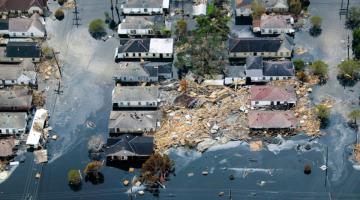
"Racism showed its ass in the days after August 29, 2005."
More Stories
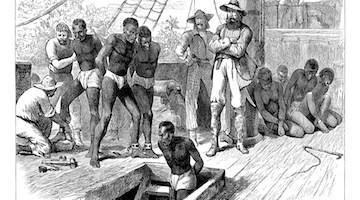 As the world ignores the ignominious 500th anniversary of the buying and selling of slaves between Africa and the Americas, historians uncover its first horrific voyages.
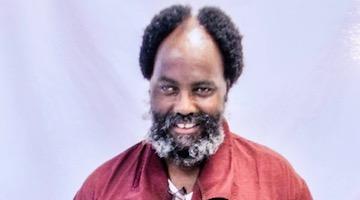 Mumia Abu Jamal on the passing of Black music great Aretha Franklin: “She returns to the celestial choir after 76 summers of earthly life.”
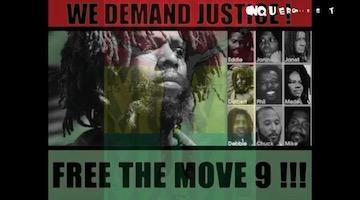 “Those hearings that are coming up on August 30th could lead to a new trial for Mumia,” said Orie Lumumba, of Family and Concerned Friends of Mumia Abu Jamal.
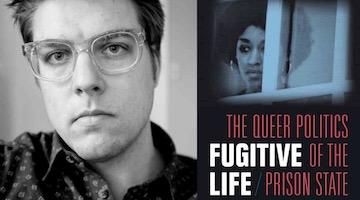 The underground radicals of the 1960s and 70s were prescient in their political analysis, according to Stephen Dillon, author of Fugitive Life: The Queer Politics of the Prison



