
Related Stories

In this series, we ask acclaimed authors to answer five questions about their book.
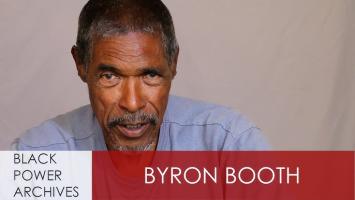
Former Black Panther Deputy Minister of Defense Byron Booth's journey from Compton to Cuba, Algiers to Lagos, reveals the global reac
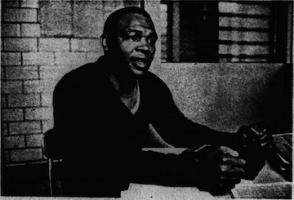
“I don't mean just in the struggles in these prisons. America is one whole concentration camp in and of itself.”
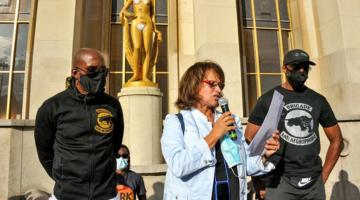
For Black August, Mireille Fanon Mendès-France sets the record straight on her father’s revolutionary legacy.
To commemorate Black August, read Safiya Bukhari's essay on political prisoners and political mov
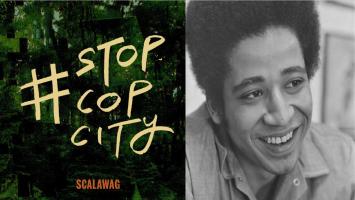
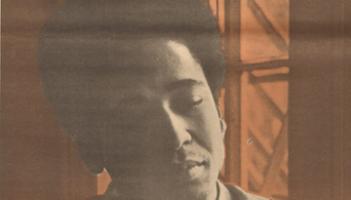
A letter commemorating George Jackson speaks to the origins of Black August.
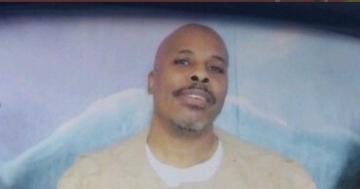
Black August is an important month of political education, but it should not solely be about the past.
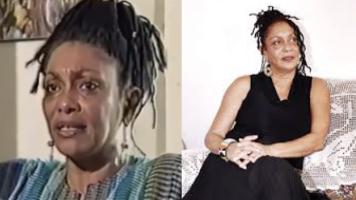
The late Nehanda Abiodun was an African American revolutionary who exemplified the movement to end national oppression and the criminaliza
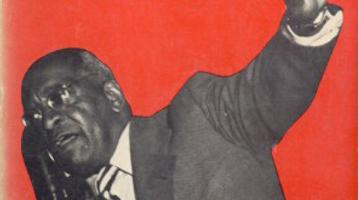
For Black August, read William L. Patterson on racial genocide, the law, and the Martinsville Seven.
More Stories
 Anti-imperialist unity has long been sought by African people but has been thwarted by outside forces. The people still struggle to reach this goal, and the West African Peoples Organization is the…
 The first in a three-part series analyzing African politics in 2022.
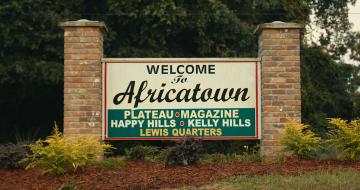 The trans-Atlantice slave trade did not end with the 1808 ban. The Clotilda arrived in 1860 and the descendants of those enslaved people are impacted by that history, as are all African people in the…
 The U.S. imposes unilateral coercive measures, sanctions, against millions of people around the world. Sanctions are war by other means, creating as much damage as bombs and bullets do.
 Black people are disproportionately convicted of felonies across New York State. In Manhattan, a Black person is 21 times more likely to be convicted of a crime than a white person.



