
Related Stories
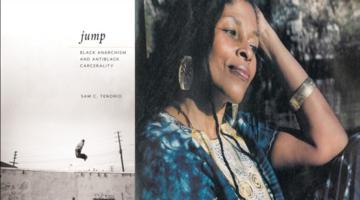
In this series, we ask acclaimed authors to answer five questions about their book.
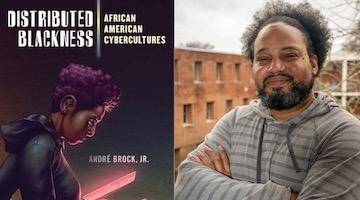
The online aggregation and coherence of Blackness online, absent Black bodies, is what inspired the author’s book.

The very physical category of femaleness was articulated by feminists and non-feminists alike as the sole property of whiteness in the 19th&…

He was stunned to ascertain that Europe was less racist toward those like himself in comparison to his homeland;

To break cyclical, systemic oppression requires a functionality that rejects reified notions of governance, global capitalism, and accommodation.

Dominican racial logic frequently contradicts what US scholars think they know about how race works.

Black History Month strengthened Black German claims of kinship with their nation and the larger diaspora.

How Black women gave the term “liberty” its meaning and expanded the scope of liberty in the nation’s capital during the nineteenth century.

Western media outlets, NGOs and powerful governments allied with the United States work in unison to deceive people about foreign policy.
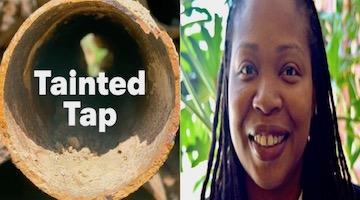
Activists and community organizers should be inspired by the work of elders engaged in social change.
More Stories
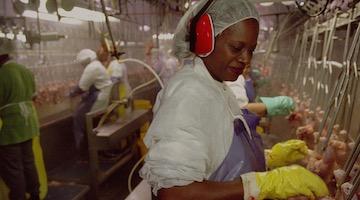 Poultry-processing plants are critical sites of racial capitalist accumulation produced through an unequal valuation of people and places.
 This week voting in November and the crisis of the Democratic Party was on your mind.
 Required reading for black study and abolition: a syllabus for an abolitionista on the run. “Abolition requires an ongoing radical belief in the impossible.”
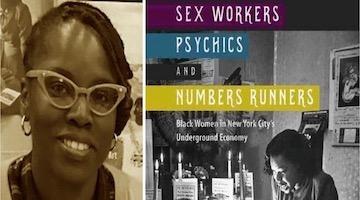 Underground labor allowed many women to sustain themselves and the people and religious institutions that they cared about.
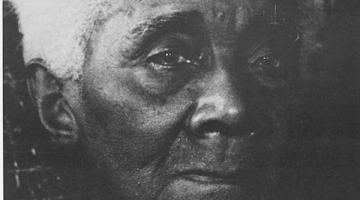 In a 1977 interview, the renowned Trinidadian writer, historian and socialist assessed the state of Black struggle in the Caribbean, the United States and Africa.



