A Black Agenda Radio Commentary by Bruce A. Dixon In 1973 radioactive waste from Manhattan Project which built the world's first nuclear weapons was secretly just outside St. Louis. An underground garbage fire raging for years in an adjacent landfill is now less than a quarter mile from that unprotected radioactive waste, potentially threatening millions with exposure to radiation.
War Abroad Breeds Homicidal Indifference At Home: St. Louis Garbage Fire Creeps Toward Nuclear Weapons Waste Dump A Black Agenda Radio Commentary by Bruce A. Dixon Underground fires are notoriously hard to control or extinguish, and they often burn for years. One of these, a smoking, stinking garbage fire in a St. Louis MO landfill is at least five years old, and it now rages 1200 feet or less from a cache of buried nuclear waste left over from the Manhattan Project, the World War 2 effort to build the world's first atomic bombs. There are no barriers between the creeping subterranean garbage fire and the nuclear waste. Should the fire reach the radioactive material one of the likely results will be a plume of deadly radioactive smoke directly over the St. Louis airport, the city and nearby suburbs, including Ferguson.
Authorities have known about the fire creeping toward the nuclear waste dump for some time, but only in October were they finally forced to make public their emergency plan s to be executed in the event that the smoldering garbage fire reaches the radioactive waste. The report calls for the use of sirens, SMS text messaging and other means to spur the evacuation of affected areas, and calls for the mobilization of first responders and volunteer resources, the cooperation of hospitals, businesses, schools and other local institutions.
The Missouri Coalition for the Environment says the nuclear waste was dumped in suburban St. Louis in 1973. Even without the approaching underground garbage fire, the atomic waste site near the St. Louis airport is leaking radiation, and lies in the floodplain of the Missouri River.
Local residents are not reassured by the pronouncements of the EPA, the federal agency in charge of the atomic bomb waste site, that there is little danger to the health and safety of the 2 million plus residents of the St. Louis metro area, and are urgently demanding more public information and accountability.
Local officials are making noises about suing the owners of the landfill over the long burning fire, but this does nothing to protect the public. No corporation and no insurance companies can possibly cover the cost in property, lost business or human lives caused by a radiation disaster in a big city. This is why no insurance company anywhere in the world will cover a nuclear reactor, it's something only a government can pretend to do. And pretend is absolutely the right word here. The government after all has for decades displayed a kind of homicidal indifference to the well being of people in the greater St. Louis area.
In 1994 the US Army admitted that in the 1950s it had deliberately sprayed sprayed certain poor neighborhoods in and around St. Louis with toxic and radioactive dust. Much like the Manhattan Project secretly dumping its radioactive waste on the outskirts of big cities, this time the army was testing its ability to wage war not against foreign aggressors, but against civilians going about their own business on the other side of the planet. It seems that the local topography around St. Louis, in the opinion of army officials, resembled that of some Russian cities they might want to target in a future war. Some unknown number of local residents died.
The first obvious lesson here is that war overseas breeds a kind of murderous indifference to civilian life at home. The folks who manufactured the nukes used on Japanese cities in World War 2 didn't mind dumping their radioactive garbage on the outskirts of an American city, and US military officials who considered poisoning Soviet civilians in the 1950s didn't shrink from testing their methods on American civilians.
The second, and equally obvious lesson is that you probably shouldn’t believe much of what the officials of a government that would do such things will say. Right now the EPA says not to worry, that it will come up with a solution to the problem this year. We'll see.
For Black Agenda Radio, I'm Bruce Dixon. Find us on the web at www.blackagendareport.com .
Bruce A. Dixon is managing editor at Black Agenda Report, and a member of the state committee of the GA Green Party. He can be reached via email at bruce.dixon(at)blackagendareport.com.

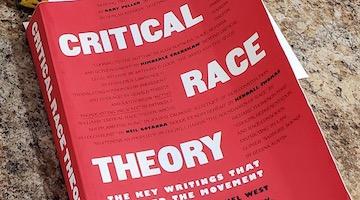 Conservative activists have branded all race reform efforts in education and employment as CRT.
 The ‘slavery clause’ made the passage of restrictions targeting Black people like the Black Codes possible as well as convict leasing of the late 19th century.
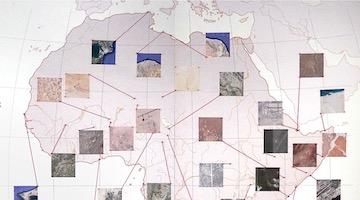 Neither the Organization of African Unity nor the African Union have been able to realize the two most important principles of pan-Africanism: political unity and territorial sovereignty.
 The author examines postwar violence through the activism of Afro-Nicaraguan women and men from the Caribbean coast of the country.
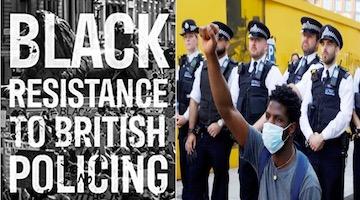 Historically, most of Britain’s policing hasn’t taken place on the British mainland – it has taken place in its colonies.


