A Black Agenda Radio commentary by Glen Ford
Uganda threatened to pull out of the dirty war in Somalia unless it was afforded continued immunity for its mass murders in Congo. Washington is the Big Daddy of both bloodbaths. Within days, Uganda backed down, since a “withdrawal from Somalia would amount to going on strike against its employer, the United States.”
America and the Politics of Genocide in Africa
A Black Agenda Radio commentary by Glen Ford
“The genocide in Congo is the deliberate result of American and British policy.”
On Tuesday, the vast majority of African Americans cast their votes for a man whose hands are soaked in the blood of millions of Congolese. Barack Obama, like his predecessors George Bush and Bill Clinton, has pulled the strings, paid the cash, and sent the weapons that Uganda and Rwanda have used to cause the deaths of six million people in the Democratic Republic of Congo since invading that country in 1996. Various organs of the United Nations have repeatedly found America’s two top allies in Black Africa complicit in the Congo genocide, and on every occasion, the U.S. and Great Britain have protected the mass murderers. And why not? The genocide in Congo is the deliberate result of American and British policy. Uganda and Rwanda are merely henchmen, who commit mass murder in return for a cut of Congo’s vast stores of mineral resources. Western businesses are the ultimate beneficiaries.
The International Court of Justice found Uganda guilty, in 2005, of killing and torturing Congolese civilians and plundering the country’s resources. Congo asked for $10 billion in reparations, but Uganda has paid nothing
Rwanda and Uganda are immune from international law because they do Washington’s bidding, sending troops wherever they are needed to buttress U.S. interests in Africa.
“What is a samurai without a lord and master?”
Last week, Uganda pitched a kind of puppet tantrum, threatening to pull its troops directly in charge
Uganda’s threat to pull out of Somalia has proven to be empty. After all, what is a samurai without a lord and master? Uganda’s value to the United States lies in its willingness to kill other Africans on orders from Washington. A Uganda withdrawal from Somalia would amount to going on strike against its employer, the United States – a very dangerous thing to do. Besides, who else is going to employ the Ugandan and Rwandan mercenaries?
By the time the Uganda delegation got to New York, there was no more mention
For Black Agenda Radio, I’m Glen Ford. On the web, go to BlackAgendaReport.com.
BAR executive editor Glen Ford can be contacted at Glen.Ford@BlackAgendaReport.com .

 American policing is defended as good despite its unmatched amounts of lethal violence.
 Richard Wright’s 1942 novel was testing the limits of what the white novel-reading public would have found imaginable.
 Writers, artists, community organizers and scholars have all contributed their analysis of the resource documents listed, below, and how they might be useful in assessing anti-Black structures arou
 Universities have become today’s companies and our cities their company towns.
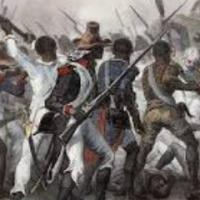 The Age of Revolution (1770–1850), bookended by the American and French Revolutions on the one side and the Revolutions of 1848 on the other, is widely viewed as the progenitor of the modern Euro-A



