Chile, Colombia, Bolivia, Honduras, Peru, and Costa Rica have all elected right-wing presidents in the past year, and most are open Trump allies. Brazil's runoff between Lula and Flávio Bolsonaro is the next critical test in the region's struggle against U.S. interference. A recent conference in Spain was dedicated to organizing for a Zone of Peace.
Delegations from Uruguay's Frente Amplio and Partido Comunista de Uruguay warned of the consequences of Brazil's presidential election and the shifting tide of the region. Latin America's 'Pink Tide' of socialist and progressive governance has faltered with electoral defeats by the right wing and outright US intelligence and military interference. Delegates warned that, if Brazil’s president Lula da Silva loses in the October 25 election, the left-wing government of Uruguay would become completely isolated within the region.
That warning came at the Second "Foro Internacional Por La Paz," convened on Friday, September 25th, in Rivas-Vaciamadrid, Spain. I was among those delegates, as a member of Black Alliance for Peace, at a convening that brought together 149 participants from 63 organizations in 35 countries.
The 'International Peace Forum' was convened by the Communist Party of Spain (PCE) for the second year at the town's City Hall. For 35 years, the "United Left" coalition of parties has governed Rivas-Vaciamadrid, a city of 100,000. Within this coalition, the PCE has promoted a political vision for Spain that is internationalist and pro-worker in its origin. Today, the PCE has five members in the Spanish Congress of Deputies and a minister in Prime Minister Pedro Sánchez's cabinet. From Rivas-Vaciamadrid, the Party convened delegates from across the globe on the critical issues of imperialism and peace.
Delegates included the ambassadors of Cuba, China, and Vietnam, representatives of the Polisario Front in the Western Sahara, and representatives of the progressive movements of Latin America. They sat alongside European communist parties, Spain's two largest trade unions, CCOO and UGT, and peace organizations from Pax Christi to World Beyond War. This coalition of organizations was broad - women’s organizations in Africa, officials in government from China, Spain, Vietnam, and Cuba, and representatives from the Polisario Front of Western Sahara- representing the connections between state power, grassroots peoples' movements, and politicized labor. Taken together, these movements and organizations united against imperialism for a durable peace built on the foundation of justice, rather than passive non-violence.
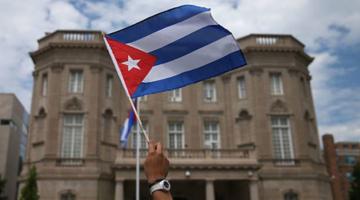
Of the representatives from the Americas, the "Zone of Peace" panel warned of malign influence across Latin America from the United States and Israel. Representatives of Cuba, Brazil’s Workers Party, and Uruguay shared their concerns with US militarization in the region. At the panel entitled "Latin America and the Caribbean as a Zone of Peace: Against Interference, For Democracy and Sovereignty," the US's actions in Cuba and Venezuela dominated the conversation.
The Black Alliance for Peace, which I attended as a representative of, has organized around the "Zone of Peace" campaign , raising the contradiction between the United States's unilateral violence and the people's desire for peace across the Americas. In BAP’s intervention, I shared selected segments from the Alliance’s ‘Zone of Peace Declaration’ and the Alliance’s “Eight Months On, We Continue To Reject U.S. Imperialist Impunity in the Assault on Maduro, Flores, and Venezuelan Sovereignty."
In January of 2026, the US invaded Caracas and kidnapped President Nicolás Maduro and First Combatant Cilia Flores, the official title of Venezuela's first lady. This unilateral assault disrupted the progressive Bolivarian Movement of Venezuela, with a highly televised kidnapping of a Head of State.
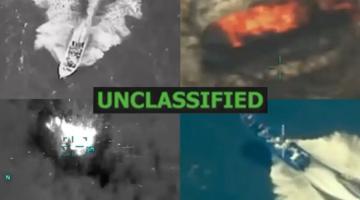
Within the past year, the United States has killed hundreds across the Caribbean through bombing Venezuela and Ecuador on land and striking countless fishing vessels at sea. These military actions are in direct contradiction with the regional 'Zone of Peace' that the Comunidad de Estados Latinoamericanos y Caribeños (CELAC) declared in 2014. The US's continuous armed strikes across the region have turned the 'Zone of Peace' into a warzone for US exploitation and domination.
The delegates reported that the US's unilateral actions in the region had broader ramifications, with representatives from Uruguay and Brazil naming that the left-wing movements of Latin America have become increasingly targeted and isolated since Trump's second presidency.
Since Trump's second term began, a string of presidential elections across Latin America has swung the region towards the hard right. Chile, Colombia, Bolivia, Honduras, Peru and Costa Rica have all elected right-wing presidents in the last year, with many of them open Trump allies. Ecuador re-elected the right-wing Daniel Noboa, and Argentina's Javier Milei consolidated power in midterm elections. The results of these elections are often contested. In Colombia, Abelardo de la Espriella defeated the Historic Pact's Iván Cepeda by less than one percentage point in June, and former President Gustavo Petro has refused to recognize the result and warned of malign Israeli influence in Colombia's elections. Since De la Espriella was sworn into office in August, Colombia has completely reversed its position on solidarity with Palestine, and is openly supporting the right-wing Liberal Party in Brazil’s presidential elections.
This warning came at a critical moment. Latin America's biggest country, Brazil, is in the midst of contested elections. Incumbent President Lula da Silva, leader of Brazil's Workers' Party, faces off against Flávio Bolsonaro, far-right Senator and son of imprisoned former president Jair Bolsonaro. This election moves into a direct runoff on October 25th between the two, in an election marred by foreign interference. Lula's campaign denounced US social media giant Meta for banning the Workers' Party's ads in the lead-up to the election. In the region, a coalition of right-wing politicians, including the presidents of Argentina, Colombia, and the United States, has rallied around Bolsonaro.
Organizations based within the United States equally condemned US aggression. The Democratic Socialists of America castigated the US’s role in Cuba, Venezuela, and Gaza as a pattern of imperialist aggression from the world’s foremost military power. The US’s largest socialist organization by membership joined progressive movements from around the world to condemn imperialism. Together, all parties rejected unilateral policies of violence, subversion, and warfare, whether in Gaza, Iran, the African continent, or Latin America.
The Foro por la Paz ended with plans of action. In its closing declaration, the forum warned that the world is living through one of the most dangerous periods since the Second World War, and reaffirmed the Proclamation of Latin America and the Caribbean as a Zone of Peace. It demanded an end to the US blockade and energy siege of Cuba. Delegates agreed to propose an International Observatory on militarism and a Parliamentary Network in Defense of Peace linking Latin America, the Caribbean, and Europe, with concrete proposals due before the end of 2026. The first tests come sooner: Brazil's presidential runoff on October 25th, and pacifist mobilizations across Europe on November 20th and 21st.
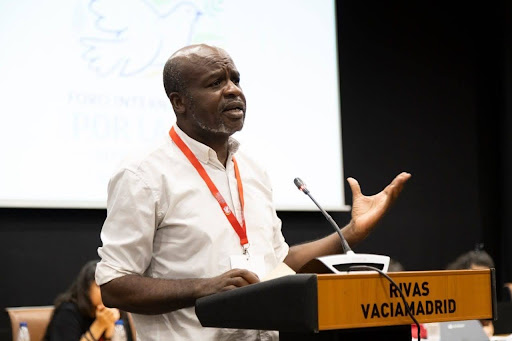
Abuy Nfueba, President of the Pan-African Federation of Black Communities in Spain
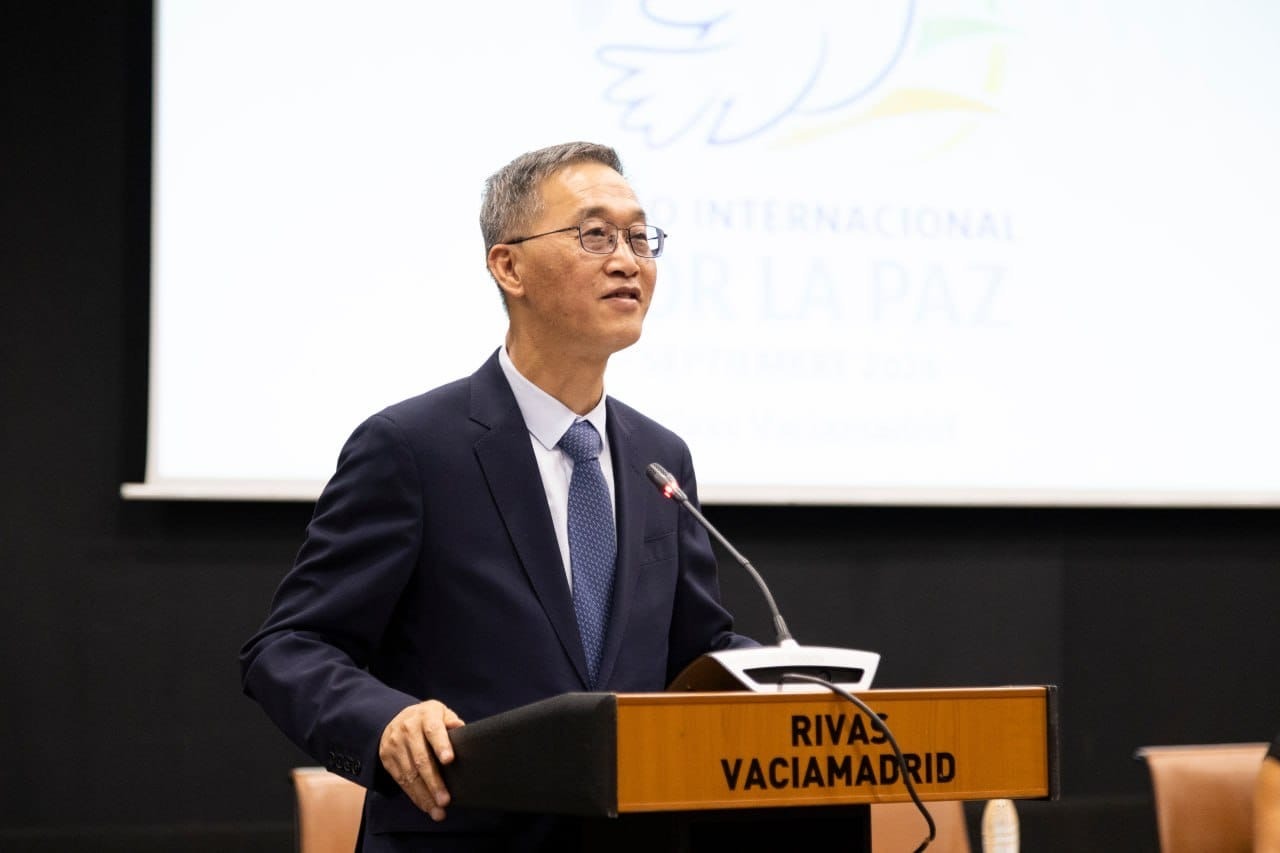
Yao Jing, Ambassador of the People’s Republic of China to Spain

Marta Martín, Deputy to the Secretary of the PCE
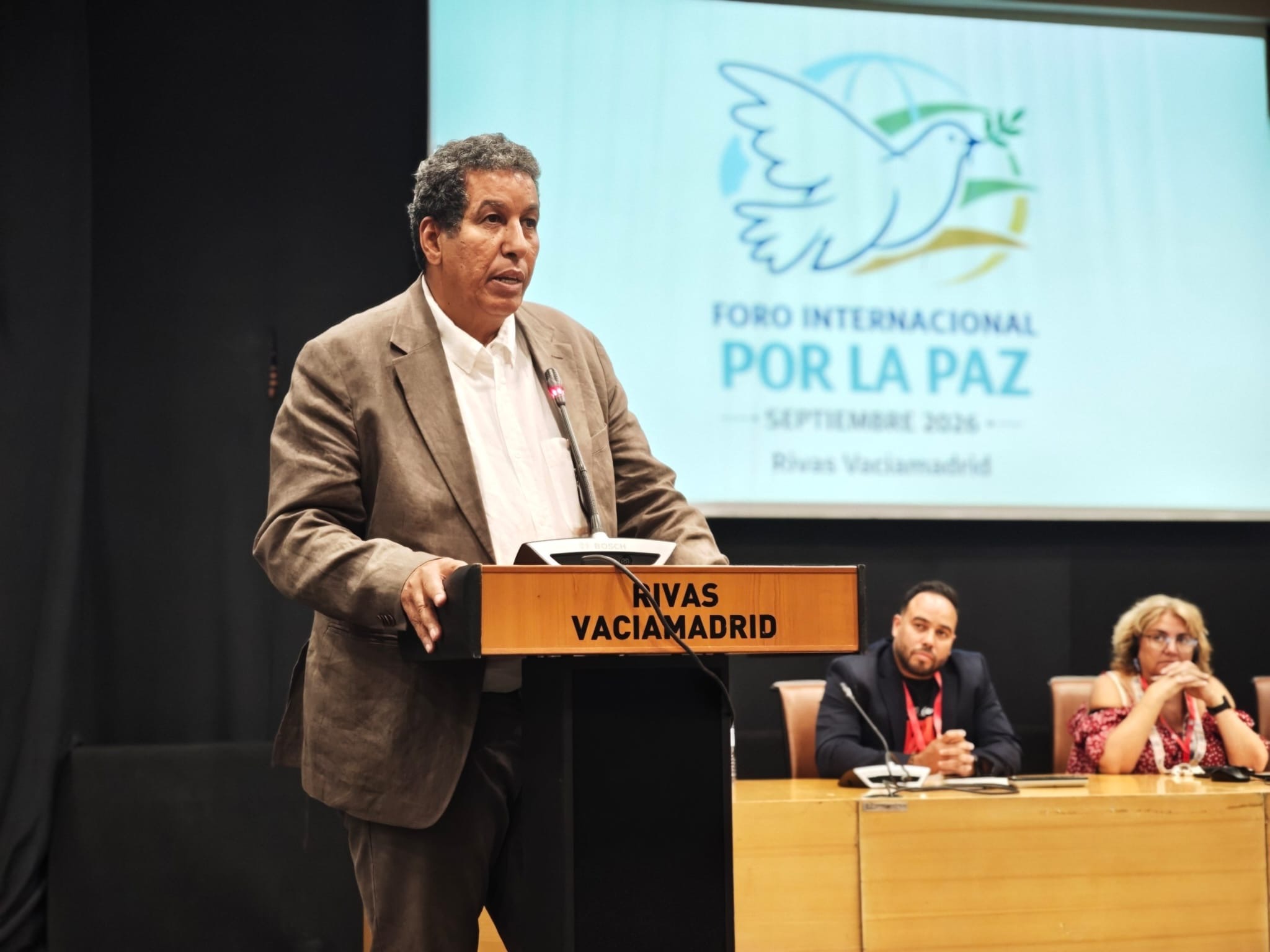
Abdulah Arabi, Delegate of the Polisario Front to Spain
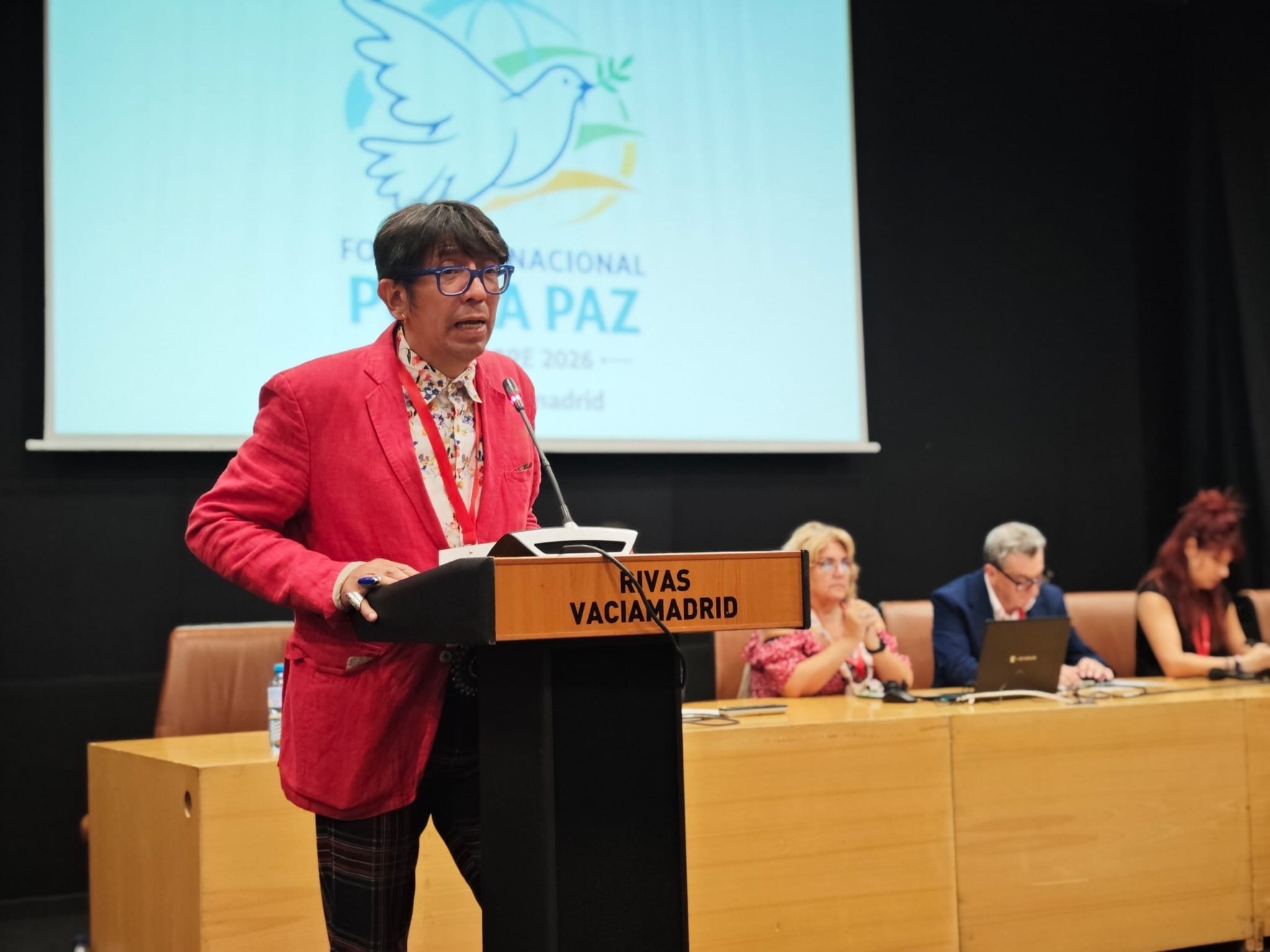
Representative from Morena party, Mexico
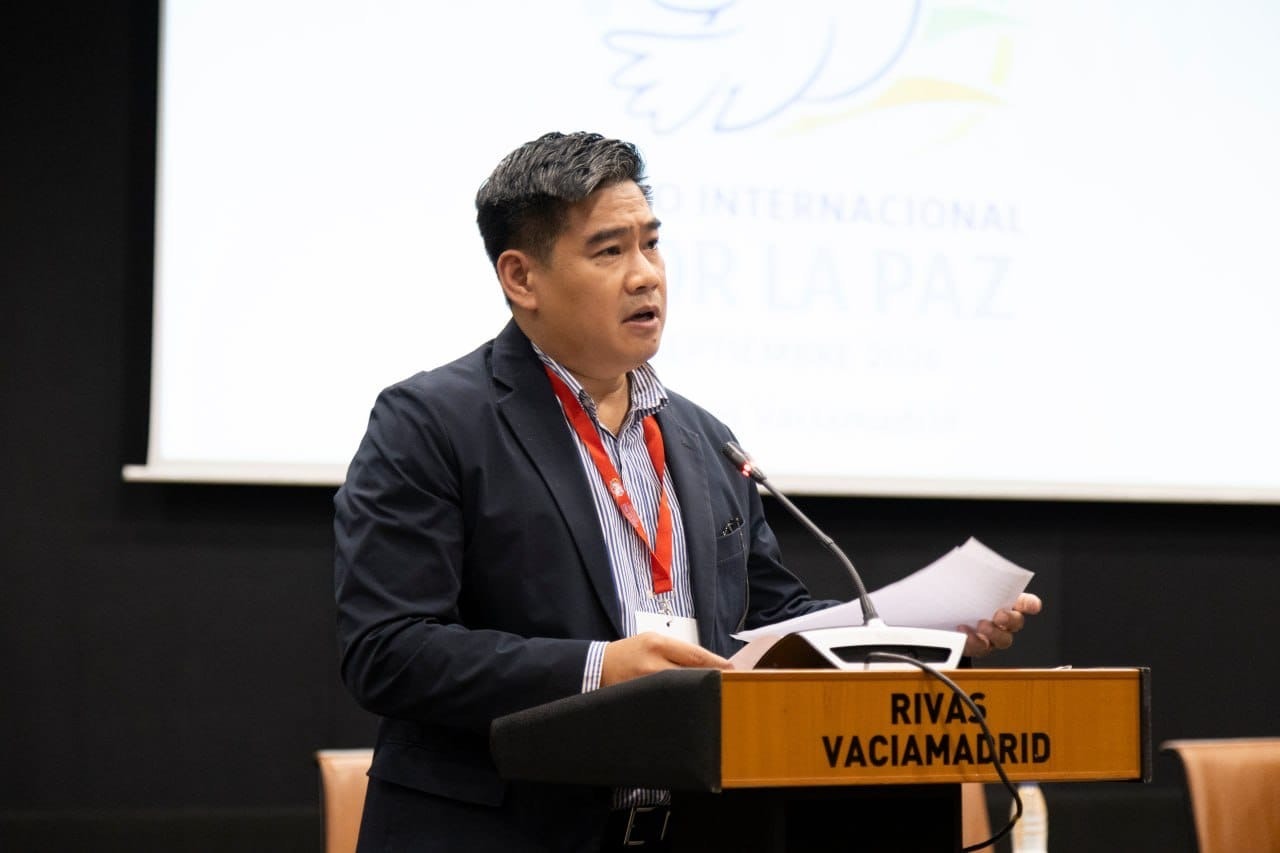
Vietnamese Ambassador to Spain Do Hoang Linh
Joshua Reaves Charmelus is a husband, writer, and grassroots internationalist. He uses political and historical analysis, photography, and speculative fiction to practice the unity of study and struggle that his political ancestors modeled.

 As Black Agenda Report is poised to celebrate its 20th anniversary, we reprint Glen Ford's commentary on the killing of Trayvon Martin and the impunity provided to his killer in a criminal justice…
 The Democratic Party is terrified of even small liberal reforms and will not abide left leaning democrats thwarting their plans for austerity and neoliberal orthodoxy.
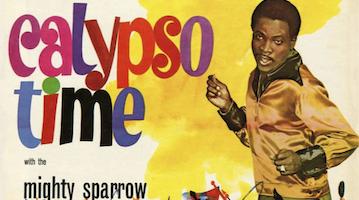 “So the calypso ceases to be entertainment on a trivial level and becomes a vehicle whereby the society is going back and searching for its soul.”
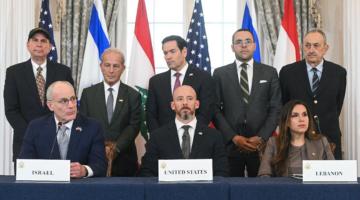 Under the guise of a farcical “pilot zone” project to restore Lebanon’s sovereignty, Israel is pursuing a scorched-earth strategy while entrenching its occupation.



