A Black Agenda Radio commentary by Glen Ford Since at least 2006, Somalia has been the focus of the United States’ drive for military domination of Africa, with other African states lining up to join in the bloody, neocolonial feast. Sierra Leone is the latest. “Sierra Leone’s soldiers have become cogs in the imperial reconquest of Africa, with Somalia as ground zero.”
Somalia Recolonized – With African Help A Black Agenda Radio commentary by Glen Ford “Washington’s actions have been calculated to ensure that a strong Somali state never rise again.”
With great fanfare from the international corporate media, the West African nation of Sierra Leone has committed 850 soldiers
Following the U.S.-backed invasion of Somalia by Ethiopia, in 2006, Washington and its European allies, including the old colonial rulers, Italy and Britain, propped up a puppet government in the capital city, Mogadishu, while simultaneously encouraging the breakaway regions of Puntland and Somaliland. The capital is occupied by AMISOM, the African Union’s military force in Somalia, which is paid for by United Nations and, for all practical purposes, an extension of U.S. foreign policy on the continent. AMISOM’s largest contingents are from the U.S. client states Uganda and Burundi, and the force is commanded by a Ugandan
Although the Americans pay constant lip service to the idea of a permanent national Somali government and to the territorial integrity of country, Washington’s actions have been calculated to ensure that a strong Somali state never rise again. Vast areas of the country have been occupied by Somalia’s historical enemies, Ethiopia and Kenya. The Ogaden region of Ethiopia is populated mainly by people of Somali origin, against whom Ethiopia’s military regime has waged a brutal counterinsurgency war. Parts of northern Kenya are largely inhabited by ethnic Somalis. Both Ethiopia and Kenya view an intact and unified Somalia as against their national interests. Yet these are the countries, along with Uganda, to which the U.S. has, in the words of one Somali analyst
“Oil companies also have an interest in a weak Somali government, and have already begun operations in the secessionist regions of Puntland and Somaliland.”
Kenya and Ethiopia can be expected to pursue what they consider to be their own national interests, bringing large parts of Somalia under their direct or indirect control, while fulfilling their obligations to the U.S. master. Ethiopia, especially, has exhibited the utmost contempt for Somali civilians under their control, arming and financing their own warlords and criminal gangs. Somalis widely believe that Kenya wants their oil.
But the truth is, the people that will ultimately get the oil are the multinational energy corporations favored by the United States and its European allies. These oil companies also have an interest in a weak Somali government, and have already begun operations in the secessionist regions of Puntland and Somaliland. In the national capital at Mogadishu, the international community – meaning, the United States and its allies – is overseeing the writing of a new Somali Constitution
For Black Agenda Radio, I’m Glen Ford. On the web, go to BlackAgendaReport.com.

 Minnesota pushed back against ICE until its visible presence seemed cut in half, but Trump does not forgive or forget, and it’s a time to be organized.
 The party that installed its presidential candidate without a primary vote now blames its 2024 loss on everything except its own contempt for its base and allegiance to neo-liberal policies.
 "SONNY" is the latest from BAR's Poet-in-Residence.
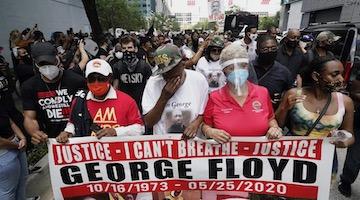 Six years ago, George Floyd was murdered by police. The reaction was swift - the streets erupted and demands to defund the police spread across the country. Yet, the response from Democrats was…
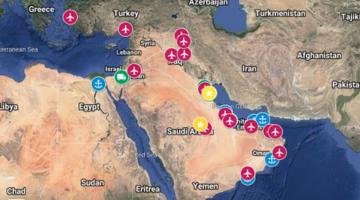 Compliant Arab regimes spent decades spreading anti-Iran propaganda, but the current assault on Iran is shattering those lies.


