by BAR editor and senior columnist Margaret Kimberley
A new film, Miners Shot Down, shows in graphic detail the massacre of dozens of miners at Marikana, South Africa, in 2012. “Footage from the South African police shows the miners being penned in by barbwire, mowed down by a fusillade and the survivors being hunted down yet again.” The slaughter may mark the beginning of the end of a Black-led regime that sold out its people.
Freedom Rider: Miners Shot Down
by BAR editor and senior columnist Margaret Kimberley
“The people who should have fought to dismantle the grotesque racially based inequities took seats at the table where the loot was divvied up.”
Before August 16, 2012, the town of Marikana was little known outside of South Africa. On that day it entered the lexicon as a place of infamy where 34 striking platinum miners were shot dead by police. The massacre at Marikana left no doubt that black South Africans had been sold out by the African National Congress and its leaders, including Nelson Mandela.
The struggle against apartheid galvanized millions of people all over the world. Black Americans in particular saw themselves at Sharpeville and Soweto. Nelson Mandela became an international icon but was especially beloved by a people whose own mass movement was destroyed by assassinations, COINTELPRO and shrewd co-optation.
Mandela’s release from prison in 1989 and his election as president in 1994 were greeted with celebration – which was too often lacking in real political analysis. Black people had the right to vote, the dreaded pass system was gone, but the grinding poverty is now worse than under the days of white minority rule. That is because people who should have fought to dismantle the grotesque racially based inequities took seats at the table where the loot was divvied up.
“Ramaphosa made lucrative deals with these multi-national corporations instead of representing the mine workers who looked to him for leadership.”
Cyril Ramaphosa was one of those people. He led the National Union of Mineworkers (NUM) and was one of those who aided and abetted the terrible accommodations that led to the continuing impoverishment of black South Africans. The London based Lonmin platinum mining corporation made Ramaphosa a board member, as did Coca Cola and Unilever. He made lucrative deals with these multi-national corporations instead of representing the mine workers who looked to him for leadership. Ramaphosa’s net worth is now estimated to be $700 million.
When miners at Marikana demanded wage increases in 2012 their union did nothing for them. They were forced to go on an unauthorized wildcat strike, in defiance of Lonmin, the ANC government and their own union. Not only did NUM do nothing to help their members, but they joined with the government and police in calling the strikers criminals.
A newly released documentary, Miners Shot Down, shows in unsparing detail the horrors of the new South Africa. Footage from the South African police shows the miners being penned in by barbwire, mowed down by a fusillade and the survivors being hunted down yet again.
The film is powerful precisely because it shows the result of settling for liberation of the few. True liberation is hard won and brings enmity from the powerful. When Mandela was lionized by the corporate media and western leaders it should have been clear that as the saying goes, “the fix was in.”
It is disheartening in the extreme to see people so pleased to have jobs and titles that they gave no thought to killing on orders from government functionaries, turn coats and a big corporation. The white faces at Sharpeville and the Soweto uprising have now been joined by black people who helped to plan and carry out the massacre. The police brought live ammunition to confront the miners who were armed only with clubs and knives. They even made sure to bring morgue ambulances and body bags. The murders were clearly premeditated but after the fact it was the miners who were charged with murder.
White supremacy doesn’t necessarily need white people in order to function. It only needs people who understand clearly where whites stand vis a vis other groups. The black police who ordered the shootings and who carried them out were as much white supremacists as the white police who killed in the days of minority rule.
“The black police who ordered the shootings and who carried them out were as much white supremacists as the white police who killed in the days of minority rule.”
Apparently we have more in common with black South Africans than we thought. Twenty years after Nelson Mandela became president another black man, a so-called son of Africa, became president of the United States. The powerful people here, the 1% of the economic elite, chose him to lead. It was the right time for a new face in America. The Republicans’ unpopularity made their “brand” unsustainable politically, making the Democrats the go-to party to commit the dirty work. What better way to get that job done than to have a black man bail out banks and continue the endless war of terror around the globe? Who better to solidify America’s empire? The same sort of question can be asked of South Africa. Who better to keep South African workers trapped in poverty and starvation wages than black political leadership?
The legacy of the dead miners has not been made in vain. Lonmin workers are again on strike, this time for four months and they have been joined by other miners. This struggle is taking place twenty years after it should have. Now the truth about freedom and liberation is clear, Mandela and other leaders have passed away, and younger people can fight their own fight. Marikana should not be forgotten, nor should the hard lessons that it teaches.

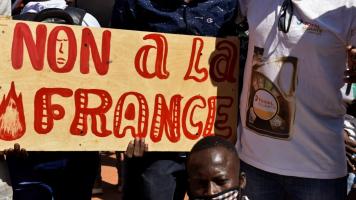 Economic Community of West African States (ECOWAS) has threatened military intervention if deposed President Mohamed Bazoum is not restored in a week. Bazoum was overthrown in a coup by officers…
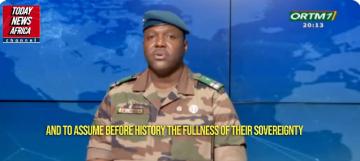 Reaction to the coup in Niger is a litmus test which determines who is truly supportive of self-determination for African nations.
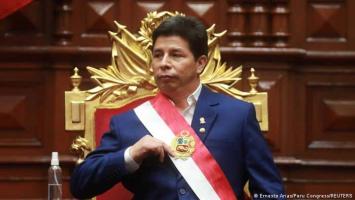 The people of Peru continue to demand the end of the coup government and the return of their elected president to office.
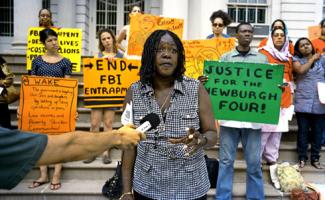 The U.S. embarked on a spree of entrapments in the post-9/11 years. Informants were used against gullible and vulnerable people, most of them Black, in order to secure spurious convictions and…
 Jesús “Chucho” García is an intellectual and activist, and the author of several books, including Afrovenezolanidad e inclusión en el Proceso Bolivariano [Afro-Venezuelanness and Inclusion…


