A Black Agenda Radio commentary by executive editor Glen Ford
The total U.S. prison inmate population held in solitary confinement on any given day exceeds 100,000 – “the equivalent of locking up every man, woman and child in Charleston, South Carolina, in their own little 8 by 12 foot box – for an eternity.” Prisoners in solitary at California’s Pelican Bay may once again go on hunger strike, July 8. They need support from the outside.
End Solitary Confinement in U.S. Prisons, Prepare to Back Hunger Strikers
A Black Agenda Radio commentary by executive editor Glen Ford
“Solitary confinement as a form of routine, mass punishment is beyond barbarity.”
Another prison hunger strike more than 100,000
Solitary confinement, by its very nature, is designed to ensure that no one but the torturers hears the cries of the tormented. However, knowledge of such monstrous evil compels decent men and women to action, in solidarity with those who have been wronged. The prisoners of Pelican Bay, who went on hunger strike in 2011, have sent word that they will do so again, on July 8, if the state of California does not meet their core demands. One demand is fundamental
“Support networks need to be in place, beforehand.”
In California, alone, more than 14,000 prisoners are held in isolation. The Pelican Bay inmates anticipate many of them will join the hunger strike, as thousands did in 2011, when 13 prisons were involved in the protest, and three inmates committed suicide. This time around, prison organizers have invited the participation of “all male and female prisoners across the U.S. prison systems,” both state and federal. Inmates in Georgia
If the California prisoners are forced to put their lives on the line again, on July 8, support networks need to be in place, beforehand. The Stop Mass Incarceration Network StopMassIncarceration.org
For Black Agenda Radio, I’m Glen Ford. On the web, go to BlackAgendaReport.com.
BAR executive editor Glen Ford can be contacted at Glen.Ford@BlackAgendaReport.com .
For more information, contact the Stop Mass Incarceration Network at: stopmassincarceration@gmail.com , or by calling (347) 979-SMIN (7646)

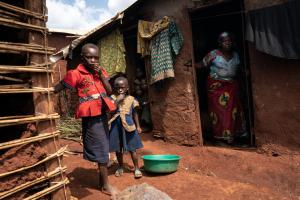 A million more Congolese people have been displaced to satisfy the resource hunger of the industrialized world.
 This week’s featured author is Amanda Lock Swarr. Swarr is Associate Professor of Gender, Women, and Sexuality Studies at the University of Washington.
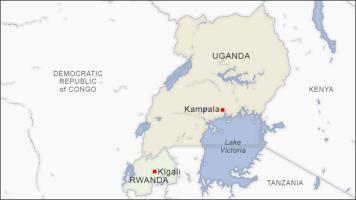 Black Agenda Report Contributing Editor Ann Garrison analyzes the continued plunder of the Democratic Republic of Congo by U.S. allies Uganda and Rwanda in the latest Black Alliance for Peace AFRICOM…
 The field of medicine is not inherently beneficial. Marginalized people have long been used for experimentation purposes, and the incarceration and surveillance states have participated in…


