Over the weekend of June 9, about seventy activists from around the country converged in a poor neighborhood of Greenville South Carolina. Led by the Prometheus Radio Project, a visionary Philadelphia-based organization of techies and media policy advocates, they came to assist organized local residents in what was billed as a "radio station barnraising" a weekend of collective work completing the studio, tuning, testing and raising the broadcast antenna, teaching and learning basic and advanced production skills and on Sunday evening, flipping the ON switch for Greenville's first fully licensed low power community-owned FM radio station.
WMXP-LP will serve, empower and enrich the life of its community in ways that large corporate broadcasters never have and never will.
WMXP-LP Greenville's broadcast range is only about 3.5 miles, but its impact is enormous. Owned and operated by the Malcolm X Grassroots Organization in that city, it's one of many stations Prometheus and its allies aim to assist progressive organizations around the country in creating. WMXP-LP Greenville will provide local news and analysis, a venue for locally produced music and other programming in English and Spanish. According to its founder Efia Nwangaza, a former SNCC activist and local attorney, WMXP-LP will serve, empower and enrich the life of its community in ways that large corporate broadcasters never have and never will.
For African American communities, corporate monopolization of the airwaves has reduced our musical choices to degrading minstrel shows. Thanks in part to black commercial radio's exclusive diet of entertainment and marketing, we know more about the furniture in Jamie Foxx's new mansion than we do about our local school boards or police practices. Worst of all by denying black audiences news and analyses of public affairs through the lens of the black experience, corporate media have shrunk the civic space in our communities where grassroots organizing and the Freedom Movement of a generation ago thrived to almost nothing.
This month bills will be introduced with bipartisan sponsorship in both the House and Senate, to reopen the licensing of nonprofit, community-owned low power FM stations.
Back in 2000, the FCC approved low power nonprofit licensing, paving the way for thousands of local stations in urban and rural areas within the reach of most of the nation's population. Big media responded with the false claim, rejected by almost every broadcast engineer not in their employ, that low power would interfere with their giant 20 and 50,000 watt operations. Big media's generous campaign contributions persuaded the Congress to halt low power station licensing until now.
This month bills will be introduced with bipartisan sponsorship in both the House and Senate, to reopen the licensing of nonprofit, community-owned low power FM stations. Whether citizens will get the power to start and program their own radio stations on the tiniest remaining slice of what are, after all, their own airwaves will be decided by Congress this session. We can expect little or no help informing the public on this issue from corporate print and broadcast media in informing the public on this score. Three was no mainstream coverage of low power radio in 2000, no coverage of radio deregulation in 2003, and next to none of network neutrality today. But the wiggle room this time around for members of Congress will be small.
The public is deeply dissatisfied, and will not be easily convinced that they need fewer rather than more choices, less news, less local ownership, and less local content. Now Greenville SC is one more place they can look to, and ask, if they can do it at WMXP-LP Greenville, why can't we?
 For more information on low power FM radio, visit Free Press dot net on the web, or www.radio4people.org, or the Prometheus Radio Project.
To listen to or download the MP3 audio file of this Black Agenda Radio commentary, click on the mic at the left.

 Ukraine is a challenge to those who claim to be on the left. War propaganda tells us to support U.S. imperialism, but even cursory knowledge of the facts shows that the U.S. and its allies provoked…
 The Haiti/Americas Team of the Black Alliance for Peace Condemns the Dina Boluarte Coup Regime’s Violent Repression of Protesters in Perú .
 Washington's announcement that 30,000 new visas would be made available to Haitians raised more questions than it answered.
 Peace accord in Ethiopia, COP27 at Sharm-el-Sheikh and the second continental public health summit portend much for the coming years.
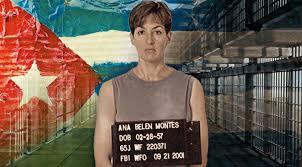 Former DIA analyst Ana Belén Montes was imprisoned for 20 years for sharing intelligence with Cuba that helped it prevent US attacks and sabotage. Upon being released, she condemned the “suffocating…


