
Related Stories
The trope of the United States being in a state of decline is a common one, but it should not be accepted without scrutiny. The U.S.
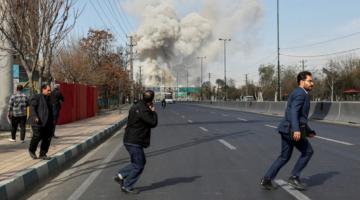
The demand to call out alleged crimes in Iran or Cuba while those countries face annihilation from the U.S.
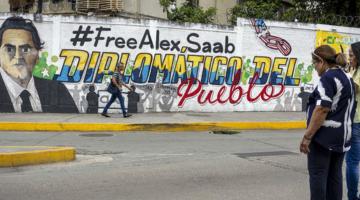
The United States got its hands on Alex Saab a second time in order to use him in its case against Nicolás Maduro. The U.S.
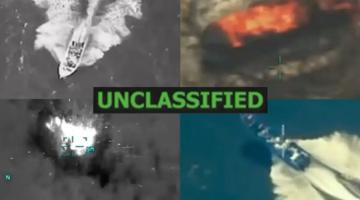
BOOM goes tuna and swordfish stuffed brown burlap bags aboardboats blown to smithereens. Presto! Fishing is now narco-trafficking.
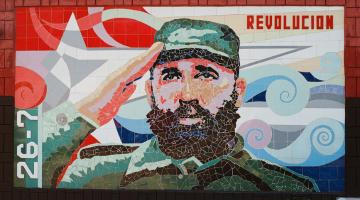
Empire taught us what to believe about the Global South.
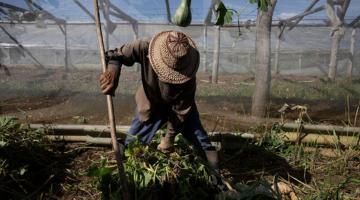
The Trump administration has already cut off Cuba’s access to oil.
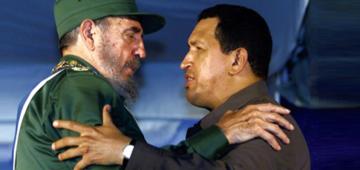
Cuba's leadership has chosen resistance over subordination as the blockade tightens, but Venezuela's sovereignty is being stripped away.
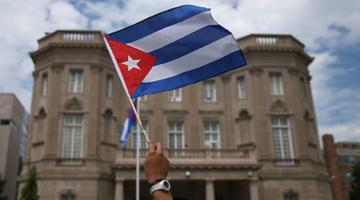
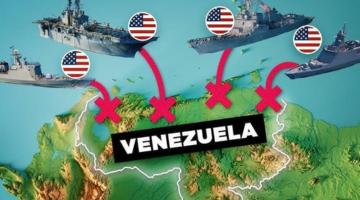
From the blockade of Cuba to the kidnapping of Venezuela's president, U.S.
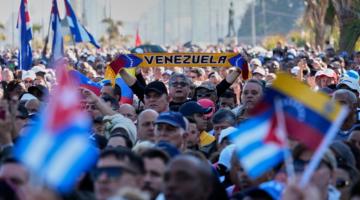
Siege, survival, and the dialectics of Venezuelan sovereignty.
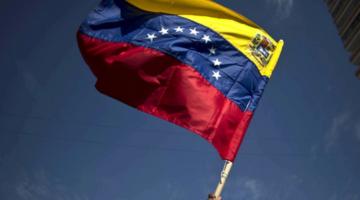
Venezuela is not Iran or Cuba, but those nations teach us that sovereignty is not given but is obtained through resistance.
More Stories
 Ol’ Red Jack Hirschman: He Weaponized Words “Poets are the unacknowledged legislators of the world.” —Percy Bysshe Shelly I. Death comes in 3s they say. So maybe 6
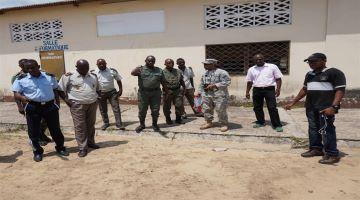 Its immeasurable mineral resources has made the Congo the victim of a long history of Western greed, plunder, and genocidal violence.
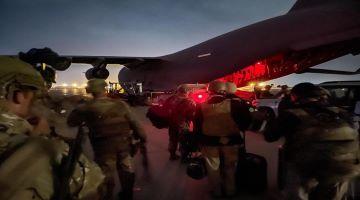 The U.S. departure from Afghanistan is an opportunity to end the corruption which made a 20-year long war a cash cow for the military industrial complex.
 The U.S. departure from Afghanistan is a victory against imperialism.
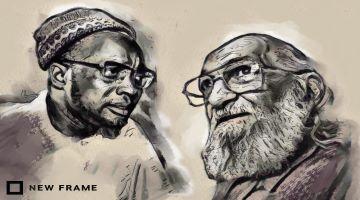 Frantz Fanon’s influence on Paulo Freire’s thought is well known, but the Brazilian educator also drew considerably from Amílcar Cabral, the revolutionary intellectual from Guinea-Bissau.



