
Related Stories
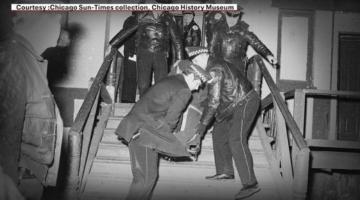
Longtime attorney Flint Taylor’s new book tells the story of the People’s Law Collective, which grew out of the radical movements of the late 1

Former Black Panther Deputy Minister of Defense Byron Booth's journey from Compton to Cuba, Algiers to Lagos, reveals the global reac
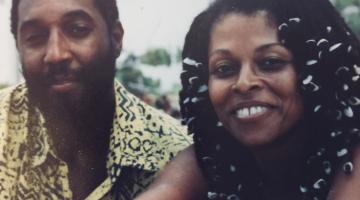
On May 30, 2026, a Celebration of the Life and Legacy of Assata Shakur was held at the Riverside Church in New York City.
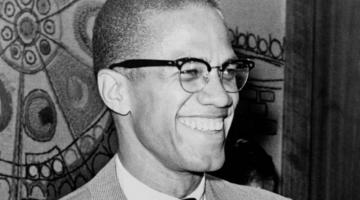
A top-notch legal team is delving into how the FBI and their local police partners collaborated in both the assassination of Malcolm X and Chic

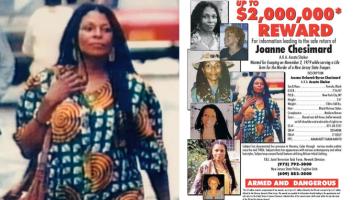
In 2013, Barack Obama and Attorney General Eric Holder declared Assata Shakur a Most Wanted Terrorist, placing a $2 million bounty on her head.

They called Assata Shakur a fugitive; we claim her as a compass.

In “A Southern Panther,” movement elder Malik Rahim talks about his lifetime of battling ra
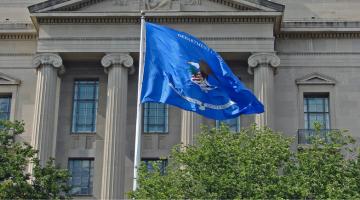
It wasn't just Chicago Police operating Homan Square, the U.S.

United States intelligence agencies kept close watch over developments in the African American struggle for freedom, justice, equality and self
More Stories
 Miami serves as a heightened case to explore such contradictions as I look closely at tensions between African Americans, white Cubans, and Black Cubans.
 In typical critical analyses and progressive multiracial mobilizations Black suffering is acknowledged while antiblackness is negated
 Historian Elizabeth Hinton’s book reveals that, in the late sixties and early seventies, there were hundreds of local rebellions against white violence and racial inequality.
 The U.S Has a long history of blaming Asian immigrants for outbreaks of disease, and every time, democracy and public health suffer.
 Prison officials could have prevented sickness and death by releasing those who were most vulnerable to coronavirus and least likely to reoffend — older incarcerated people.



