
Related Stories

“It is perfectly clear that the war of aggression waged by Morocco against the [Western] Saharan people is a purely colonial war.”

The United States announced that Kenya, with the permission of a comprador government, would serve as an Ebola quarantine hub for Ame
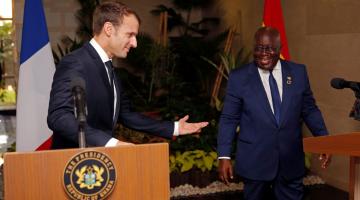
The Socialist Movement of Ghana declared its strong opposition to their government's invitation to French president Emmanuel Macron t
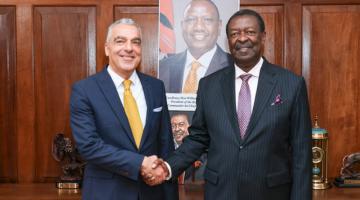
In 1903, Britain offered Kenyan land to Zionist settlers. That scheme failed. Now, a new attempt is underway in Nakuru.
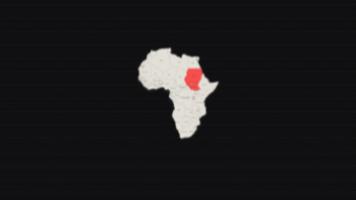
“Thus it can be said that British colonialism is mainly responsible for the Southern Sudan problem…”

In 2025, Françafrique didn’t die — it just booked a seat on a French military plane.

The threat of U.S. military action in Nigeria has little to do with protecting Christians and everything to do with domestic U.S.

Poverty is an artificial creation.
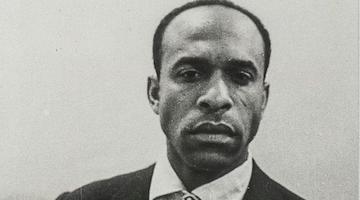
“This violence of the colonial regime…irreparably provokes the birth of an internal violence in the col
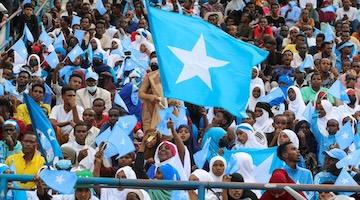
Despite shared language, culture, and religion, Somalis still struggle to become a cohesive
More Stories
 The climate movement will never be effective as long as it refuses to confront white supremacy within its own organizations and as a belief system which is unconcerned about Black and brown death.
 "They Wear The Masks" is the latest from BAR's Poet-in-Residence.
 Fisk University, an HBCU, is presenting a $400 million A.I. data center as progress for the North Nashville community. In truth, it means more pollution, more surveillance, and another chapter in a…
 The mass incarceration system demands thousands of Black bodies behind bars. That system is maintained by prosecutorial misconduct which goes unpunished. That impunity is integral to keeping the…
 Arday was killed by the contradiction at the heart of white elite institutions: they want the appearance of racial progress without structural change, and they readily discard Black people, even…



