
Related Stories

“...the science for revolutionary change…is forged by human persuasion and building social consciousness based on the class analysis

Symone Sanders' interview with Hasan Piker exposed her as a bad-faith interlocutor who uses identity as a cudgel while remaining silent on the
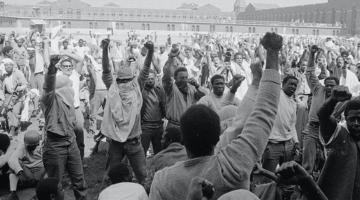
The Attica rebellion was not only about prison "reform." The prison is the most intense expression of a system of imperialist domination that o

On May 30, 2026, a Celebration of the Life and Legacy of Assata Shakur was held at the Riverside Church in New York City.

This piece was originally published in Black Agenda Report i

I.I awakened early that Sunday morning. Seized time fortalking, that Sunday morning. Time for connecting.

Tennessee just erased its only majority-Black voting district.

The spectacle of major sporting events does not simply distract from a city's crackdown on the working class.

The conditions are ripe for growing Black political consciousness, but revolutionary movements must broaden their reach to all sectors and clas
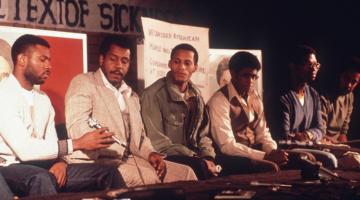
Black youth fed xenophobia instead of international solidarity become military pawns who risk their own lives and their people's libe
More Stories
 Located 40 miles south of Atlanta, LaGrange uses local utilities as a form of social control.
 US-backed jihadists have been getting away with pinning their attacks on the Syrian government since 2013.
 Would any of the Democratic candidates promote diplomacy and a commitment to international law?
 April 4 NATO meeting a desecration of MLK’s legacy; Dahoud Andre: Haiti wants to be rid of puppet president; Mumia: Puerto Rico proves US ill will towa
 The social science of ethnology must be “de-colonized,” said Dr. Selina Makana, a Kenya-born scholar at the Institute for Research on Women, Gender and Sexuality, at Columbia



