
Related Stories

“It is not enough to assert the existence of a Black radical tradition...The key question is, what is its relevancy as a programme of
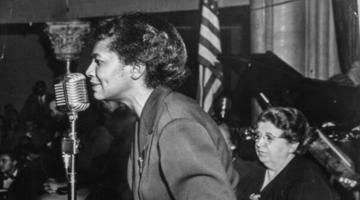
Many in the U.S. "Left" are actually liberal elements that pull socialism toward the Democratic Party.
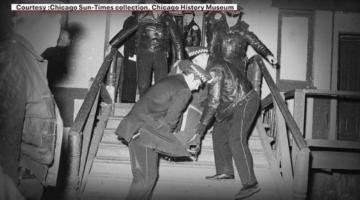
Longtime attorney Flint Taylor’s new book tells the story of the People’s Law Collective, which grew out of the radical movements of the late 1
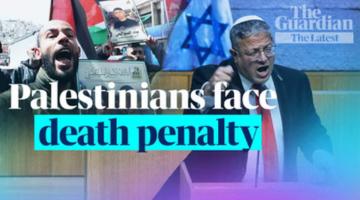
The same caucus that celebrated the Emmett Till Antilynching Act refuses to condemn Israel's new death penalty for Palestinians.
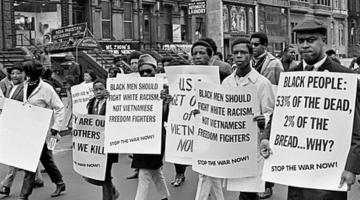
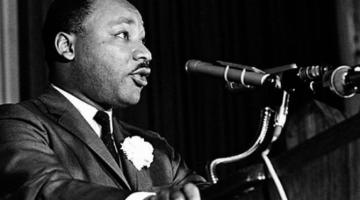
Preserving the Black Radical Tradition demands struggle not only against white supremacists, but also against the co-opted Black political clas
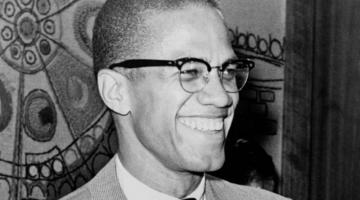
A top-notch legal team is delving into how the FBI and their local police partners collaborated in both the assassination of Malcolm X and Chic
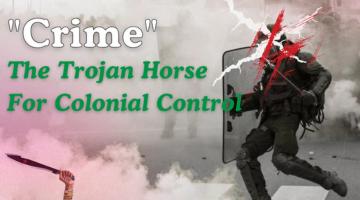
The rhetoric of crime prevention has always served to enforce colonial order.
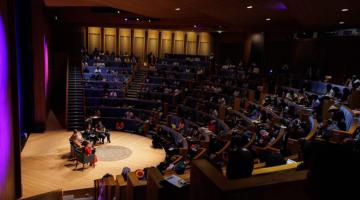
Organizer Ryan Mills shares his firsthand experience as one of the organizers of the 2025 National Black Radical Organizing Conference in India
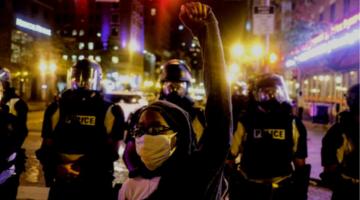
With the ritualistic murder of George Floyd by the occupation forces referred to as the police that roam the streets and barrios of the Black a
More Stories
 This week you discussed the multilayer crisis facing American people.
 This week’s author views black aesthetics as a practice of freedom that imagines and conjures alternative social arrangements.
 The author maintains it is a myth that digital activism is less important than the organizing being done on the ground.
 Black Lives Matter Inland Empire, in an open letter, last week announced its departure from the cash-heavy Black Lives Global Network.
 US cities from Atlanta to New York City still use buildings, roads, ports and rail lines built by enslaved people.



