The Fujimori regime forcibly sterilized thousands of people in Peru and the victims are still fighting for justice.
National Strike, Day 147
After almost six months of a coup regime that has murdered over 80 people during continuous protests against the illegal ouster of President Pedro Castillo, survivors of another case of human rights abuses may finally be seeing justice. On May 19th, former dictator Alberto Fujimori was summoned virtually from Penal de Barbadillo (where Pedro Castillo is also imprisoned on preventative detention) by the Chilean Supreme Court for the cases of forced sterilization during his regime in the 1990s. Between 1996 and 2000, approximately 270,000 women and 22,000 men were forcibly sterilized under the dictatorship’s “family planning” measures, all from poor rural indigenous areas. Fujimori, who is currently serving 25 years for crimes against humanity for the massacres in La Cantuta and Barrios Altos, was extradited from Chile to Perú in 2007 after having fled to Japan in 2000 to escape justice for crimes against humanity under his dictatorship. Because he was extradited from Chile, any additional charges would have to go through that country’s Supreme Court.
Judicial investigations against Fujimori and three of his former Ministers of Health, Eduardo Yong Motta, Marino Costa Bauer and Alejandro Aguinaga, began in March, 2021. The summons from the Chilean Supreme Court marks the next substantive step in this decades long struggle for justice. During the video conference, Fujimori, with tubes attached to his nostrils, stated, “the accusation is completely false because what my government did was offer the population, particularly women, all modern and traditional family planning methods without exception, without preference for one or the other and with the free choice of each of (those) interested.” He continued to justify his regime’s “family planning” measures to reduce poverty and maternal mortality. Many doubt that due to Fujimori’s age and failing health he will be sentenced to more time, but survivors say they at least want a formal apology from the highest levels of government and reparations. It is highly doubtful that it will come from another coup regime, one led from behind the curtains by his daughter.
For close to 30 years, women that suffered under the regime’s forced sterilizations have clamored for justice from the Peruvian state. Many of them, only Quechua speaking, say they never gave consent to be sterilized under the government’s plan to “reduce poverty” that amounted to ethnic cleansing and a genocide. Either they did not speak Spanish and did not understand papers they signed or were forced to sign papers. Regardless they never gave consent. Under the Association of Peruvian Women Affected by Forced Sterilizations (Asociación de Mujeres Peruanas Afectadas por las Esterilizaciones Forzadas) or AMPAEF, these women have organized themselves to demand truth, justice, and reparations for what they have endured.
According to AMPAEF founder and survivor Esperanza Huayama, “Many of us made the mistake of trusting the ‘white coats’ who served us. Several of us were tied up at the time of giving birth and we didn't even know what they had done to us. They did it to others when they went to the post with their children. There they told us that we gave birth like animals, and they asked us if we weren't ashamed of that.” Many say they have never stopped feeling pain in their abdomens since the surgeries. For decades they have met with various government agencies and under various administrations, all with little respect and much less any concrete answers.
Much like the violence carried out currently during this dictatorship, racism played a crucial role in the forced sterilizations of poor indigenous women. Amnesty International’s latest report on the current violence in Perú indicates racism played a major role in the violence seen since the uprising began on December 7th. Thirty years later, it is evident that Peruvian society continues to suffer from a lethal form of racism that manifests itself in the most violent ways.
**En Español**
¿30 años después, justicia para los casos de esterilización forzada durante la dictadura de Fujimori?
Paro Nacional, Día 147
Después de casi seis meses de un régimen golpista que ha asesinado a más de 80 personas durante las continuas protestas contra el derrocamiento ilegal del presidente Pedro Castillo, los sobrevivientes de otro caso de violaciones de derechos humanos pueden finalmente estar viendo justicia. El 19 de mayo, el exdictador Alberto Fujimori fue convocado virtualmente desde el Penal de Barbadillo (donde también se encuentra detenido Pedro Castillo en detención preventiva) por la Corte Suprema de Chile por los casos de esterilización forzada durante su régimen en la década de 1990. Entre 1996 y 2000, aproximadamente 270,000 mujeres y 22,000 hombres fueron esterilizados por la fuerza bajo las medidas de "planificación familiar" de la dictadura, todos provenientes de áreas rurales indígenas pobres. Fujimori, quien actualmente está sirviendo 25 años de prisión por crímenes de lesa humanidad por las masacres de La Cantuta y Barrios Altos, fue extraditado de Chile a Perú en 2007 después de haber huido a Japón en 2000 para evadir la justicia por crímenes de lesa humanidad cometidos durante su dictadura. Debido a que fue extraditado de Chile, cualquier cargo adicional tendría que pasar por la Corte Suprema de ese país.
Las investigaciones judiciales contra Fujimori y tres de sus ex ministros de Salud, Eduardo Yong Motta, Marino Costa Bauer y Alejandro Aguinaga, comenzaron en marzo de 2021. La citación de la Corte Suprema de Chile marca el próximo paso sustancial en esta larga lucha por la justicia que lleva décadas. Durante la videoconferencia, Fujimori, con tubos conectados a sus nariz, afirmó: "la acusación es completamente falsa porque lo que mi gobierno hizo fue ofrecer a la población, especialmente a las mujeres, todos los métodos modernos y tradicionales de planificación familiar sin excepción, sin preferencia por uno y otro y con la libre elección de cada uno de los interesados". Continuó justificando las medidas de "planificación familiar" de su régimen para reducir la pobreza y la mortalidad materna. Muchos dudan de que debido a la edad y la salud deteriorada de Fujimori, se le imponga una sentencia más larga, pero las sobrevivientes dicen que al menos quieren una disculpa formal de los niveles más altos del gobierno y reparaciones. Es muy improbable que esto provenga de otro régimen de golpe de estado, liderado desde las sombras por su hija.
Durante casi 30 años, las mujeres que sufrieron esterilizaciones forzadas bajo el régimen han clamado por justicia al Estado peruano. Muchas de ellas, que solo hablan quechua, afirman que nunca dieron su consentimiento para ser esterilizadas bajo el plan del gobierno para "reducir la pobreza", que equivalió a una limpieza étnica y un genocidio. Ya sea porque no hablaban español y no entendían los documentos que firmaron o porque se les obligó a firmar documentos, en cualquier caso, nunca dieron su consentimiento. Bajo la Asociación de Mujeres Peruanas Afectadas por las Esterilizaciones Forzadas (AMPAEF), estas mujeres se han organizado para exigir verdad, justicia y reparaciones por lo que han sufrido.
Según Esperanza Huayama, fundadora de AMPAEF y sobreviviente, “Muchas cometimos el error de confiar en los ‘bata blanca’ que nos atendían. A varias nos ligaron en el momento de dar a luz y ni siquiera supimos lo que nos habían hecho. A otras se lo hicieron cuando iban a la posta con sus niños. Ahí nos decían que paríamos como animales y nos preguntaban si eso no nos daba vergüenza.” Muchas afirman que nunca han dejado de sentir dolor en sus abdominales desde las cirugías. Durante décadas se han reunido con diversas agencias gubernamentales y bajo varias administraciones, todas con poco respeto y mucho menos respuestas concretas.
Al igual que la violencia llevada a cabo actualmente durante esta dictadura, el racismo desempeñó un papel crucial en las esterilizaciones forzadas de mujeres indígenas pobres. El último informe de Amnistía Internacional sobre la violencia actual en Perú indica que el racismo jugó un papel importante en la violencia ocurrida desde el levantamiento que comenzó el 7 de diciembre. Treinta años después, es evidente que la sociedad peruana sigue sufriendo una forma letal de racismo que se manifiesta de las maneras más violentas.
Clau O'Brien Moscoso is an organizer with the Black Alliance for Peace in the Haiti/Americas Team. Originally from Barrios Altos, Lima, she grew up in New Jersey and now lives between both countries.

 The International Monetary Fund has a long history of insisting on loan conditionalities which are harmful to public services. This practice did not change even during the pandemic, with African…
 Leftist formation wins Colombian presidential election, the effort to end involuntary servitude in U.S. prisons, the impeachment of a Black legislator in Brazil, and the nature of fascism and need…
 Ajamu Baraka is National Organizer of the Black Alliance for Peace. He joins us to discuss the recent election results in Colombia where Gustavo Petro, became the new president, and Francia Marquez,…
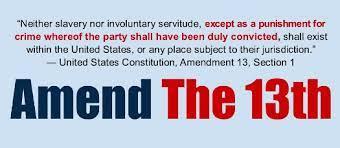 Savannah Eldrige is the founder of Coaliton to Abolish Slavery in Texas, an organization devoted to ending involuntary servitude in that state. She is also the founder of Be Frank 4 Justice which…
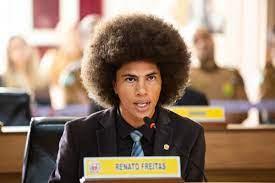 Renato Freitas is a Black City Councillor in Curitiba, Brazil. He and others joined in national protests over the killing of Congolese immigrant Mugenyi Kabagambe, who was beaten to death after…


