
Related Stories
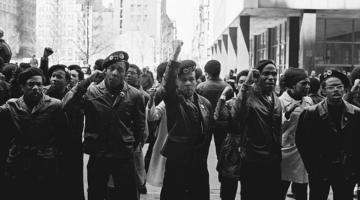
The Black Panther Party did not begin in Oakland on October 15, 1966, but emerged from earlier organizing in Harlem and Lowndes Count

NSPM-7 and the State Department's international campaign against "far-left political terrorism" represent new and more dangerous form
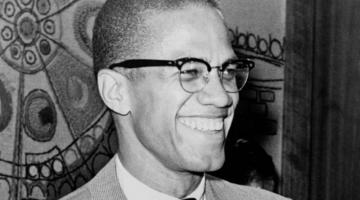
A top-notch legal team is delving into how the FBI and their local police partners collaborated in both the assassination of Malcolm X and Chic

From the front lines of the Black Power movement to a Georgia prison cell, the life of Imam Jamil Al-Amin represents a continuous thread of res

The fight against fascism is a fight against racism and capitalism.
“There is and always will be, until every Black man, woman, and child is free, a Black Liberation Army.”
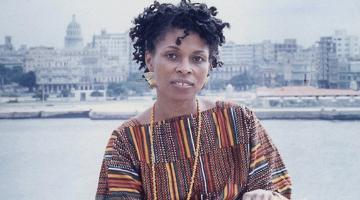
They called Assata Shakur a fugitive; we claim her as a compass.

Defeating the war on Black/African people requires solidarity with all who are oppressed and resistance against our common enemy.
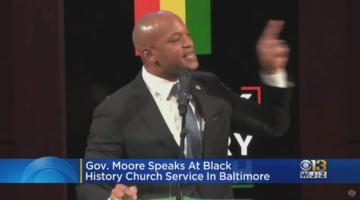
The Democratic Party pulls out all the stops to maintain its base of Black voters - except push any policy that will improve their material con
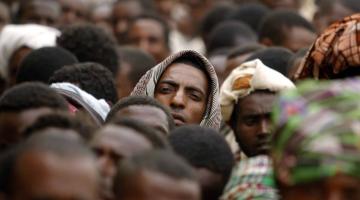
The peoples of this world will never see true liberation and peace until we are free of the shackles of U.S.
More Stories
 This week you discussed the multilayer crisis facing American people.
 This week’s author views black aesthetics as a practice of freedom that imagines and conjures alternative social arrangements.
 The author maintains it is a myth that digital activism is less important than the organizing being done on the ground.
 Black Lives Matter Inland Empire, in an open letter, last week announced its departure from the cash-heavy Black Lives Global Network.
 US cities from Atlanta to New York City still use buildings, roads, ports and rail lines built by enslaved people.



