
Related Stories
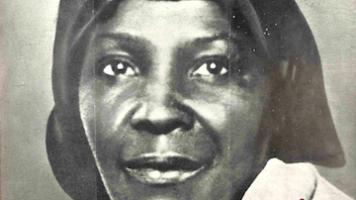
Mrs. Ada Wright, mother of two of the “Scottsboro Boys,” traveled the world to advocate on their behalf.

On the 153th anniversary of the birth of Vladimir Lenin, we present Harry Haywood’s theoretical work on imperialism, capitalism, and Black self
A 1971 interview with the late Charlene Mitchell reminds us of both the need for Black radical struggle against capitalism, militarism, and rac
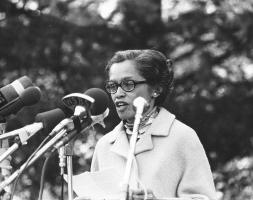
The author makes the case that liberalism is a dead end and that socialism is the only tool for Black liberation.
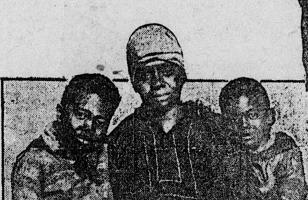
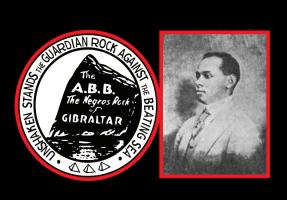
A May Day 1928 essay by Black communist Williana “Liana” Jones Burroughs – aka Mary Adams – recounts the history of African revolt in the Ameri
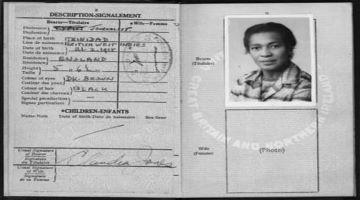
This is the foreword to the new edition of Marika Sherwood’s Claudia Jones: A Life
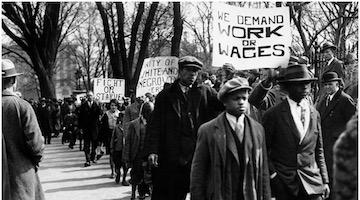
Anti-communists used the full powers of the state to silence, imprison, or deport radical Black activists.
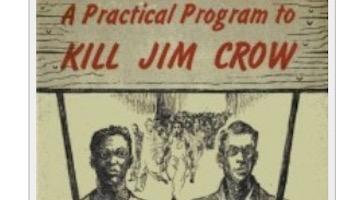
Alabama Communists helped lay the foundation for the organized civil rights movement that emerged in the late 1940s and early ’50s.
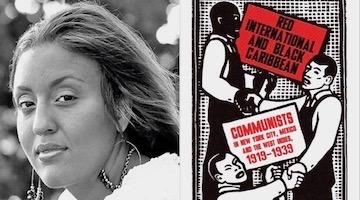
Some of the best leaders of black working class people were communist or worked alongside communists.
More Stories
 Ethiopian American activist and community organizer Benyam Kitaw tells Ann Garrison that US hostility toward Ethiopia could lead to further sanctions, economic pressure, and perhaps even war.
 Raytheon’s craven raven Co-signing for mass murder: “Mowing the grass…” Now… Ladee Blu on a fool’s errand dis- seminating The Monroe Doctrine—this is what
 Contrary to the Black capitalist myth, most Greenwood residents were low wage working people employed by whites and living in substandard housing.
 Today’s colonialists recruit Black politicians and Black terrorist groups who are willing to play along.
 Joy James uses poet Lucille Clifton's image of “new bones” to reflect on a series of revolutionary anniversaries in 2021 and the nature of political leadership.



