
Related Stories


Raymond Nat Turner, BAR’s poet-in-residence, pays homage to San Francisco’s shipyard artist JoeSam who died peacefully on June 1, 2024, surroun

"Dis-honest Broker" is the latest from BAR's Poet-in-Residence, recently performed at UpSurge!


Palestinian poet Refaat Alareer, a martyr of zionist state genocidal violence, has left us with a tale of resistance and hope.
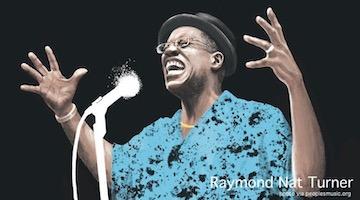
Salute to City of Angels’ son!
He wrote, he wrote, he wrote
And he wrote…
Ramparts, The Progressive, The

Everybody’s wild ‘bout this ‘new’ dance craze—
this lewd, crude dance called “The 1st 100 Daze…”

Kristallnacht came casting lead ballots,
overthrowing Black elected officials and
Massacring those that VOTED for them—

“It's like writing history with lightning.“ — Woodrow Wilson on Birth of A Nation

Think of peoples having the most
tanks, the most drones, the most
missiles, bombs, aircraft carriers,
More Stories
 The US is escalating the arms race because it sees its hegemonic military and economic power weakening. “This will be the most expensive arms race in history.”
 The Democrats are terrible at passing legislation that helps Black and poor people but fantastically talented at political theater.
 The judge ruled that Kemp’s defense was so weak that no trial is needed.
 Embassy Activists Face Prison in Trial Based on Trump Venezuela Fantasy
 Students of all races should be exposed to the history of movements of liberation from colonialism and racist rule, said Nana Osei-Opare, a professor of history at Fordham Uni



