by Sarah Lazare
California prison inmates have held three hunger strikes and mass work stoppages in the last two years, protesting appalling conditions and the torture of solitary confinement. The state is striking back. "We've received letters around individual guards or groups of guards targeting people who participated in the strike.” As many as 30,000 inmates may face some form of retaliation.
When Prisons Retaliate: California Inmates Still Paying Price for Demanding Rights
by Sarah Lazare
This article originally appeared in Common Dreams.
“We demand an end to retaliation, and those demands are entwined with continued political organizing work to change the system.”
Four months after California prisoners declared a hunger strike to protest solitary confinement and other abuse, they are still suffering retaliatory punishment at the hands of corrections authorities, the Prisoner Hunger Strike Solidarity Coalition announced Monday.
"We demand an end to retaliation, and those demands are entwined with continued political organizing work to change the system," said Isaac Ontiveros, with the Prisoner Hunger Strike Solidarity Coalition and Critical Resistance, in an interview with Common Dreams. "It is the minimum of human decency to not retaliate against people who participated in the peaceful protest."
Prisoners who participated in the California-wide prisoner hunger strike, launched July eighth, have been slammed with what are called a “115 write-ups.” The penalty accuses the prisoners "of committing a serious rule violation" for participation in the hunger strike, according to a statement from the Prisoner Hunger Strike Solidarity Coalition.
The write-ups have serious consequences for inmates who can face years-long extensions of their solitary confinement and denial of parole as a result. "It is something that goes into your record, so that when you are reviewed for whatever reason around parole, moving from one place to another, it affects the nature of your imprisonment," Ontiveros explains.
"People perceived as supporting the strike, whether refusing meals, refusing work, or supporting the strike with other action faced retaliation," said attorney Caitlin Kelly-Henry in an interview with Common Dreams. "As many as 30,000 people are documented as refusing meals at the time the strike was declared. We don't have numbers of people who refused work. It could be as many as hundreds or thousands of people who faced 115 and other write-ups."
“The write-ups have serious consequences for inmates.”
The 115 write-ups are part of broad retaliatory measures inflicted against prisoners who participated in the hunger strike, including searching cells, obstructing inmates' communications with the outside world—including lawyers—punishing strikers with more severe solitary confinement, and intimidating inmates to prevent them from appealing the harsh measures. Prisons were also given the green light to force-feed hunger striking prisoners—a move that human rights advocates slammed as a gross violation of human rights.
Much retaliation is informal, in an environment where prison guards hold staggering power over the lives of inmates. "We've received letters around individual guards or groups of guards targeting people who participated in the strike," explains Ontiveros. "This is highly racialized, with high incidence of targeting of black prisoners who participated in the strike."
In a legislative hearing last month with the California Department of Corrections and Rehabilitation—won by the prisoner hunger strikes and outside support—prison authorities admitted they retaliated against inmates who participated in the hunger strikes, says Ontiveros.
Supporters of the inmates are demanding that Michael Stainer, Director of the Division of Adult Institutions at CDCR, use his authority to immediately reverse the retaliatory measure.
Stainer's office did not immediately respond to repeated requests from Common Dreams for an interview.
Ontiveros says that as supporters on the outside demand an end for retaliation, and push for legislative hearings, they also work to "end the CDCR's repression that leads to solitary confinement.
"This is an important moment to act in very strong solidarity," he added.
Sarah Lazare is a staff writer for Common Dreams.

 Anne Venhuizen is an attorney in The Bronx Defenders' Impact Litigation Practice.
 Christopher Bruce is Policy Director of the Georgia ACLU.
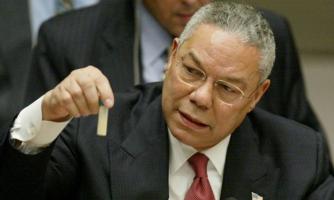 On September 11 remember how legal rights were destroyed under the Patriot Act and how plots for worldwide endless war were hatched.
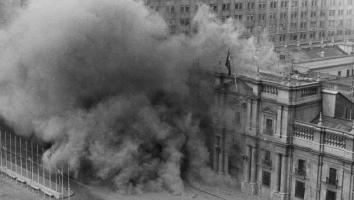 The September 11, 1973 overthrow of Chile’s Salvadore Allende offers lessons to Haiti, and the radical world.
 Black Agenda Report Editor and Columnist Ajamu Baraka has thoughts on September 11, Haiti, white supremacy in Biden’s Ukraine policy, the criminalization of dissent, and other issues.


