Whiteness as a Right of Passage
by executive
editor Glen Ford
“These white people, mostly came here from poor countries
that did not want them.”
The immigrant debate is totally ahistorical. These
Americans, these white people, mostly came here from poor countries that did
not want them. But their labor was desired in the United States, and cities
were built for them. Corporations made accommodations for them, as part of
their contract for coming to the United States. They would have housing
provided, and the basic aspects of life.
Meanwhile, Black people, newly freed from slavery, and on
the move from their former masters who had abused them personally and socially
– who had insulted them as people – were also trying to get into these same
centers of commerce that were open to the new immigrants – the new Americans,
the new White People
T
hese people became white, through a uniquely American
social process. They liked the status of being white. They didn’t quite know
what being white was, but being from other counties and cultures that were
distinct and were called “races,’ they acclimated. They became white.
However, their children insist that their parents and grand
parents earned their status as Americans by good works, and not by privilege,
becoming white people. Whiteness is
taken as a given. There used to be a slogan that white young people would spout, “I’m free, white and 21. I’m a
citizen. Don’t with mess with me.” That
said it all.
Whiteness is taken as a given. Whiteness was given to
immigrants, as a right of passage.
“They swarmed into our country, and became the new
Americans.”
These newly white people, from many nations, became the new
Americans. Jews, Poles, Italians, and
another wave of Irish, They swarmed into our country, and became the new
Americans. We Black Americans were locked out of that introduction the to new
American society, by immigrants who zealously guarded their newly-granted white
privilege .They shut us out of jobs in the
big cities, but we came anyway.
And we came in great numbers, and overwhelmed these
immigrant nations that had become white. We took over the cities, and they ran
away. But we made no real base of power in those cities – just titular power, not people power.
There is now a great wave of new immigrants, mostly Mexican.
We, Black people, are afraid of this new flood, and righteously so. Will these
people become white people? That’s what we’re really worried about. More white
people, or people who become white. We don’t need any more of them.
In the end, this is not for us to decide. As we speak, white America is fighting within itself over whether to claim the current wave of immigrants as its won, or to attempt craft a new kind of apartheid status by militarizing the border, and making immigration a so-called "homeland security" issue. Some of the worst instincts and tendencies of white America are showing themselves.
US prisons have, for the last twenty years contained a number of Black incarcerated far out of proportion to our population. Although we are an eighth of the nation's people, we are half its prisoners. Precise state by state data on the racial breakdown of prison populations increasingly hard to come by, but the proportion of Hispanic prisoners, both citizens and non-citizens held by the federal Bureau of Prisons is nearly one third. And this does not include the rapidly expanding gualg maintained by the Department of Homeland Security in which anundetermined five figure sum of people, including many hundreds of children are held in a separate network of privatized for-profit federal prisons. If this trend continues, the proportion of Hispanics under lockdown in the U.S. may nearly approach that of our own astronomical number, and just as the experience of prison has almost become the defining characteristic of a younger generation of black America, it may become commonplace among Hispanics.

 This book is dedicated to the Black mad and the mad Black everywhere.
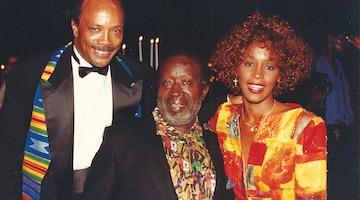 Clarence Avant mastered pimping out Black identity to normalize the functioning of a nation premised on the oppression of his fellow Black citizens.
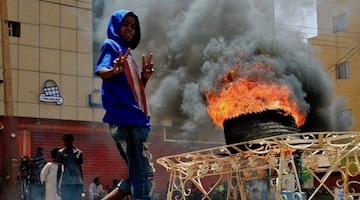 Amid a reign of terror, the Sudanese Professionals Association called on the international community to recognize it as the sole representative of the people.
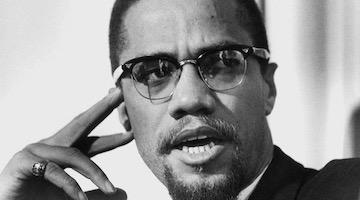 We would be better served by understanding black nationalism as both liberative and anti-racist.
 The amount of money pilfered by corrupt government officials pales in comparison to the wealth extracted by transnational corporations.



