by Sikivu Hutchinson
South Carolina is generally viewed as the first "Black" stop on the presidential primary trail, with African Americans comprising about half the Democratic electorate. A majority of those Black votes are female, and the Obama and Clinton campaigns "are in hot pursuit." Hillary Clinton, says the author, benefits from her husband's "almost Kennedy-esque popularity with some African Americans," while Barack Obama is...Black. The author believes Senator Clinton's appeal, though "seductive," may be tempered by a history of "conflicted" alliances between Black women and white women.
Black Women and the Hillary Factor
by Sikivu Hutchinson
"Obama appeals because of the historic aspect of his campaign and his meteoric rise as an African American statesperson. Clinton beckons due to her pedigree and seeming ability to rock the boy's club status quo."
This article originally appeared in BlackFemLens.org.
 Although much has been made of the Democratic Party's stepchild treatment of voters of color, in South Carolina, the latest flavor of the month is the black female vote. Battling for dominance in the region, the campaigns of Hillary Clinton and Barack Obama are in hot pursuit of black women. While Clinton is leading Obama among Democratic voters overall, the allegiances of black women, who constitute a majority of black Democratic voters there, could very well decide who is the victor in the nation's first Southern primary.
Eager to assert her standing as a champion of the "underclass," Clinton recently ran an anti-poverty themed ad in key counties of the state tailored to appeal to black women. Nationally, however, black women are still ambivalent about where to lend their political capital. Obama appeals because of the historic aspect of his campaign and his meteoric rise as an African American statesperson. Clinton beckons due to her pedigree and seeming ability to rock the boy's club status quo. Both options have been framed through the tired lens of race/gender dichotomies, whereby allegiance to race equals betrayal of gender and vice versa. Yet, while Clinton has been vilified by many progressive feminists for her centrist concessions to the politics of expediency, her specific appeal to African American women evokes several historical ironies.
Alliances between black women and white women have always been conflicted. The social and economic advantage that white privilege historically conferred upon white women has rendered most alliances between them tenuous at best. In the postbellum era, white suffragists drew upon abolitionist ideology for their platform of gender equity and civil rights, yet routinely assailed the right of black men and other disenfranchised men of color to gain the vote. Black men and other non-Anglo men were deemed not worthy of gaining the vote before "civilized" white women, while black female suffragists who argued for black enfranchisement were viewed as having divided loyalties. The racist jockeying of pioneering white feminists like Elizabeth Cady Stanton is a conveniently forgotten sidebar in the triumphal ascent of nineteenth and early twentieth century Anglo-American feminism. The legacy of this disconnect was reflected in the era of second wave feminism during the 1960s and 1970s when black feminists and white feminists clashed frequently over white resistance to black efforts to link issues of racial justice with gender justice. Black women's bond with black men, and the crushing burdens of race, gender and class inequity rendered such influential second wave white middle class feminist theses as the "Feminine Mystique" woefully irrelevant to the lived experiences of working black women.
"Clinton's record of strong support for defense, her overly cozy relationship with corporate anti-union giants such as Wal-Mart seem not to bother her growing legions of black female supporters."
Yet, the prospect of a twenty first century Clinton presidency has proven seductive for many black women. One of the reasons Hillary Clinton is widely appealing is because of Bill Clinton's almost Kennedy-esque popularity with some African Americans. While cornpone rhetoric about his status as the first "black president" seems to have taken up long term residence in some black folk's imaginations, his dubious record on social justice has not. Clinton's backing of welfare reform legislation, his failure to support equitable affordable housing policy and his support of legislation that changed sentencing guidelines for crack versus powder cocaine seem not to factor in his most ardent black supporters' warm and fuzzy memories of the Clinton era. Similarly, Hillary Clinton's record of strong support for defense, her overly cozy relationship with corporate anti-union giants such as Walmart (where she was on the board of directors for several years before it became politically untenable) and her unceremonious abandonment of former attorney general nominee Lani Guinier during the Clinton administration seem not to bother her growing legions of black female supporters. Nor do the weaknesses of her much-ballyhooed health care plan, which some pundits say seriously shortchanges working class women by failing to promote single-payer universal coverage.
The simplest explanation for Clinton's appeal is the desperation of the black electorate. Outraged by the Bush regime's eight year reign of bigotry and malfeasance, many black mainstream voters are willing to align with any liberal candidate who can realistically reclaim the White House from the Republicans. However, as the South Carolina primary looms and rhetoric about black women as swing voters in the South becomes more feverish, black women voters should tread carefully. Those who would be seduced by Clinton's "it takes a village" veneer of inclusiveness would do well to heed the lessons of history.
Sikivu Hutchinson is the editor of blackfemlens.org and the author of the forthcoming novel Marmion Way. She can be contacted at sikivu@blackfemlens.org

 BAR’s senior columnist: “If everything you know about Russia is from the New York Times and the Washington Post, you don’t know anything about Russia.”
 The US must cease its military occupation of Africans at home and abroad, and abandon its attempt to rule the world by force.
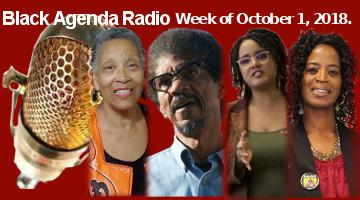 Kevin Gray: Federalist Society created to change US Constitution; Nwangaza: Prison strike leaders shd pay more heed to local support groups; Romarilyn Ralstson: corporations hire you in prison but
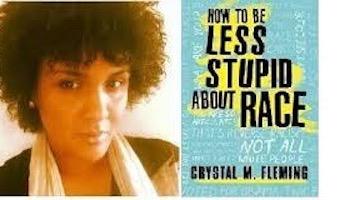 Corporate Democrats don’t defend people’s rights when they are in power, but with Trump in the White House the Democrats now “pretend to care so deeply about racism and patriarchy,” said Crystal Fl
 Exploitation of prison labor is rampant across the nation, said Romarilyn Ralston, program coordinator for Project Rebound at California State University at Fullerton.



