by Donna Lamb
New York’s Harlem is in the process of occupying itself. "We need a radical transformation of the current status quo – the banks financing and controlling the political process, buying out politicians in both parties to protect the economic interest of the one percent.” The neighborhood that was once the nexus of Black political thought, and is now besieged by forces of gentrification, is making its own place in the national movement against corporate power. “Attendees eagerly came forward to propose a wide range of issues from the local to the international.”
Occupy Harlem Campaign Launched
by Donna Lamb
This article originally appeared in Black Star News.
“We must organize for our own economic and political defense.”
As Occupy Wall Street continues to galvanize America and numerous Occupy movements keep springing up in cities, towns and communities across the nation, it was only a matter of time before Harlem residents and activists took the bull by the horns and brought the initiative uptown.
On the evening of October 28, about 150 people, many of them born and raised in Harlem, attended the first Occupy Harlem general assembly, held at St. Philip's Church in Central Harlem. Nellie Bailey, who is with Harlem Fightback Against War at Home and Abroad as well as a member of the United National Antiwar Coalition, was a co-convener.
There were many proposals dealing with economics and jobs, including a request to endorse "Jobs for ALL," a massive public works and public service program to create 25 million new jobs at union wages, to be paid for by new taxes on the wealth and income of the rich, on financial transactions, and on corporate profits.
Two political proposals sought endorsement of the Occupy Congress campaign to occupy the local offices of members of Congress unless they sign a pledge to vote down any proposed cuts to working people's programs and for a congressional hearing in Washington, DC to address the second-class status of independent voters, which make up 41 percent of the electorate.
There were also important proposals regarding issues affecting Continental Africans, such as the Nuba Mountain peoples in southern Sudan, and people of African descent throughout the Diaspora, including Haiti.
“Participants proposed to occupy the local offices of members of Congress unless they sign a pledge to vote down any proposed cuts to working people's programs.”
"Occupy Harlem can only survive as a people's movement with the direct involvement of the 99 percent to affect change," Nellie Bailey said. "We need a radical transformation of the current status quo – the banks financing and controlling the political process, buying out politicians in both parties to protect the economic interest of the one percent. Poor and working class people in Harlem and throughout the country are suffering," she continued. "We aren't going to take it anymore. Occupy Wall Street is our blueprint."
Joining Bailey was Black Agenda Radio commentator Glen Ford. "We can't just wait for the people downtown in Occupy Wall Street to stand up for us. We must organize for our own economic and political defense," he said.
Added Larry Adams of the People's Organization for Progress, "We must take action because the recession in America is a full-blown depression for Black America."
Focusing attention on one of Harlem's grave concerns was guest speaker Carl Dix, national spokesperson for the Revolutionary Communist Party. He stressed the urgent need to end the NYPD's "stop and frisk" policy that is harassing and humiliating countless innocent people.
Dix told of one Black young man who was stopped and frisked on his way to get some chicken. After the police officer found that the young man had no record, instead of just releasing him, the officer told him to do the chicken noodle soup dance and then he would let him go. "I don't want to live in a country where our Black young men are treated like that," declared Dix. "It is a burning injustice, and we want to tap into a supportive mood around resisting it and to link in with people who are trying to deal with it on other levels."
“We recognize the need of the Harlem community to freely express itself.”
The microphone was opened to all, and attendees eagerly came forward to propose a wide range of issues from the local to the international that they thought should be supported or endorsed by Occupy Harlem.
For instance, at the local level there were proposals to support the continued opposition to the planned 50-year expansion of Columbia University that threatens to take over Harlem; to endorse the struggle against the privatization of Harlem's public housing; and to fight the closing of the Harlem post office, which will devastate many Harlemites who don't have bank accounts and must rely on postal money orders to pay their bills. There was also a proposal to support Harlem's community gardens that provide food, making the community less dependent on outside sources.
Along with the many issues proposed, there was robust discussion regarding procedures and a number of other items. Said Bailey: "As we feel our way in these uncharted waters, we recognize the need of the Harlem community to freely express itself. That is what we tried to do tonight instead of going by a format that others may use in their Occupy movements. As we move forward, we will work these issues out through a democratic and transparent process."
At its next general assembly Occupy Harlem will begin considering the proposals voiced at this first meeting and organizing working committees, a crucial step forward to sustain and coalesce the movement.
For further information call (646) 812-5188 or email OccupyHarlemgeneralassembly@gmail.com.

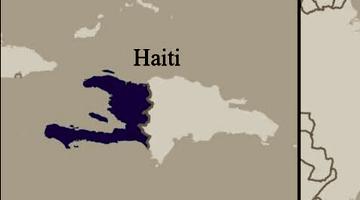 The US has a 10-Year Plan to pacify and occupy Haiti using tactics that try to hide its imperial motives. Last week, it was deleted from the website of the US Embassy in Haiti.
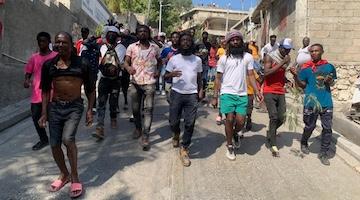 Ann Garrison spoke to Professor Danny Shaw, who speaks fluent Haitian Creole and returned from his last trip to Haiti one month ago.
 "Sitting Shiva in South Florida for Our souls/slivers of democracy …" is the latest from BAR's Poet-in-Residence.
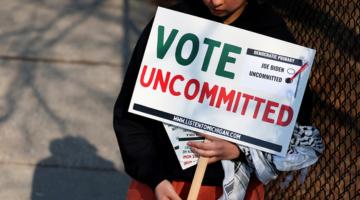 Politicians and the liberal media cite "voter apathy" as the cause of reduced voter turnout, but the reality is that their devotion to corporate interests over those of the people creates a seeming…
 Settler colonialism has caused the destruction of indigenous lands around the world and, as a result, the environment in which we all live. The path forward is an global struggle against these forces.


