Born in Mississippi in 1862, Ida B. Wells was perhaps the most formidable African American leader of her day. That she is rarely mentioned in the chronology of black leadership that usually runs from Frederick Douglass, to Booker T. Washington to DuBois and Garvey and on into the 20th century is a testament to the ongoing power of patriarchy. But during the wave of lynchings that marked the late nineteenth and early 20th century, when Booker T. was saying “make a brick”, Wells was the only black leader advocating resistance across the board to white supremacy, everything from working with black businesses, to emigration, to armed self defense.
In this address to a conference of black women scholars broadcast on KPFA's Against the Grain last week, historian Paula Giddings outlines the ongoing significance of the life and work of Ida B. Wells. Click the mic below to download and listen to Paula Giddings on the life and continuing significance of Ida B. Wells.

Paula Giddings has it exactly right when she says that before people learned to oppress others of a different race, they made their practice perfect by oppressing people of a different gender. Wells was a persuasive and outspoken opponent of lynching and of all infringements on the persons and liberties of black people, especially black women. She extensively researched hundreds of lynchings, printed and publicly spoke on her findings, and was run out of Memphis Tennessee as a result. Wells is said to have packed a pistol everywhere she went, and declared that the Winchester rifle ought to have a place of honor in every African American home.
If you grew up in Chicago any time between the 1940s and the 1990s, Ida B. Wells was the name of some projects on East 37th street. But the real Ida B. Wells is worth learning about, and listening to. Giddings is the author of a new book, Ida B. Wells, a Sword Among Lions, which we haven't read yet, but we will. We promise. You probably should too.
And for our money, C.S. Soong, Sasha Lilly and the rest of the Against the Grain crew do some of the finest interviewing anywhere. We at BAR steal a lot of ideas from them and their interviewees. Find them at www.againstthegrain.org.

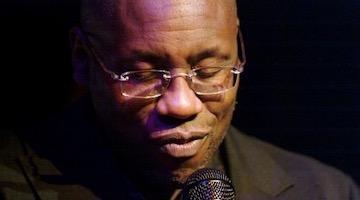 Justice was served sweet and sour in pepper spray soup—tear- gas gumbo—tears mixed with milk and milk of magnesia in crimson curry sauce; Served from warfare states’ woks on
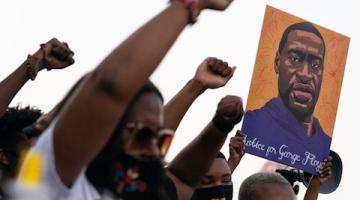 After the guilty verdict, the clarity that was collectively growing became squandered with the words “it’s not justice, it’s accountability.”
 It is vitally necessary to bridge the gap in knowledge and dismantle US misinformation campaigns against Cuba’s realities for international English-speaking audiences.
 American policing is defended as good despite its unmatched amounts of lethal violence.
 Richard Wright’s 1942 novel was testing the limits of what the white novel-reading public would have found imaginable.


