
A Black Agenda Radio commentary by Glen Ford
American investors, who refuse to put money into productive enterprise in their own country, are flooding developing nations with destabilizing dollars, creating asset “bubbles” and other dangerous distortions. In defense, nations are collectively rejecting “dealings with U.S. companies, or even transactions in U.S. dollars, in order to insulate themselves from the irresponsibility of U.S. economic rulers.”
U.S. Endangers Global Financial Stability
A Black Agenda Radio commentary by Glen Ford
“The U.S. decision could set in motion a chain of events that might knock the dollar from its artificial pedestal as the world’s reserve currency.”
When you live in a dying system, expect bad things to happen with quickening regularity. We are now in a general crisis of capitalism, which means that so many things are wrong with the system, it’s hard to predict where the next disaster will come from. Think of an old, worn out, beat up automobile. You don’t dare take a long trip in it because something – you don’t know what, but something – is sure to break down.
Even as the robo-signing scandal reveals massive fraud at the heart of the U.S. mortgage system, which could lead to a kind of meltdown, the U.S. Federal Reserve’s decision to pump $600 billion into the system could set in motion a chain of events that might knock the dollar from its artificial pedestal as the world’s reserve currency. When that happens, the non-military component of U.S. imperialism, will crumble. But that’s a chance Obama’s bankers are willing to take because…well, because creating rivers of money for their fellow bankers to play with is what the Federal Reserve does. The banks were already sitting on $1 trillion in cash when Obama’s crew decided to create $600 billion more out of thin air.
To justify this policy of so-called “quantitative easing,” the Obama administration is singing the same old tired song: that flooding more money into the banking system will result in the banks making more loans to businesses that will then expand their workforces and reduce unemployment. But of course, none of that has happened, because the banks have not loaned the money to U.S. manufacturers, they have hoarded the cash, or used it to buy federal debt, or spent it in their derivatives casinos or sent it overseas to wreak havoc with developing countries’ currencies.
“Nations are taking steps to isolate the dollar, to avoid using American currency as much as possible.”
All these billions in U.S. dollars, thrust into the system by Obama’s Treasury and federal bankers, and which do no good for American small businesses and workers, now threaten to create asset bubbles overseas, pushing up prices of land and stock in countries like India and Brazil. In other words, Wall Street is using the oceans of money provided to it by their friends in the Obama administration to export to the developing world the same financial bubbles that ultimately brought down the U.S. economy and created a world financial crisis.
The flood of U.S. cash is also designed to have the effect of making the dollar cheaper. The idea, here, is to make American exports cheaper, which will theoretically create more U.S. jobs. In the real world, the tidal wave of greenbacks threatens to destabilize the planetary financial system. The Americans are viewed as so irresponsible and dangerous to global stability, nations are taking steps to isolate the dollar, to avoid using American currency as much as possible.
This is what I call the redlining of America: when nations collectively reject dealings with U.S. companies, or even transactions in U.S. dollars, in order to insulate themselves from the irresponsibility of U.S. economic rulers. That means the dollar is on the way to losing its position as the world reserve currency. When that happens, all that will be left of the U.S. global empire, is guns.
For Black Agenda Radio, I'm Glen Ford. On the web, go to www.BlackAgendaReport.com.
BAR executive editor Glen Ford can be contacted at Glen.Ford@BlackAgendaReport.com.

 Ecuador was once a safe country with some of the best economic prospects in the region. Today, Ecuador has a nearly 500% increase in violent crimes and a marginalized population of poor, African, and…
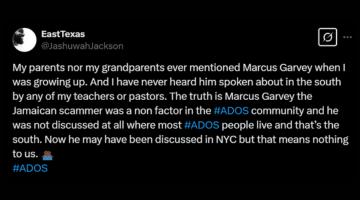 The ADOS and FBA (American Descendants of Slavery and Foundational Black Americans) movements have gained influence by advocating for reparations exclusively for Black Americans descended from U.S.…
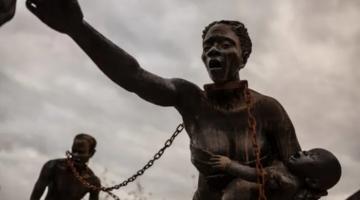 So-called Foundational Black Americans may tell themselves they are noble protectors of ancestral legacy, but they are, in fact, little different from European groups in this country that…
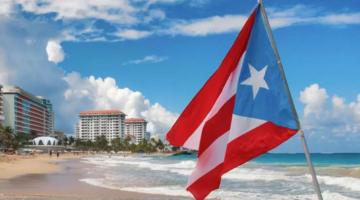 Capitalist developers and political opportunists are feeding off Puerto Rico's land and resources to privatize the island. The people suffer from deteriorating infrastructure and increasing…
 Journalists Hossam Shabat and Mohammed Mansour were killed in targeted Israeli airstrikes, as the death toll among media workers continues to rise.


