 by BAR Executive Editor Glen Ford
Click the flash player to listen to or the mic to download an audio in MP3 format.
With the statue of limitations due to expire in six months, federal officials have extracted one guilty plea in a New Orleans police slaughter of Black Katrina survivors. The white reign of terror remains largely unpunished. But we must also ask: Why did the city harbor so many racist cops after a quarter century of Black administration?
Death at the Bridge in New Orleans
A Black Agenda Radio commentary by Glen Ford
“The cops converged on the Danziger Bridge, apparently in search of Black people to kill.”
When Hurricane Katrina hit New Orleans in September, 2005, it unleashed a tidal wave of police violence against that city’s Black citizens. One particularly vicious gang of at least seven cops converged on the Danziger Bridge over the Industrial Canal, apparently in search of Black people to kill during the post-storm confusion. The officers encountered an unarmed family of five and a friend walking across the bridge on their way to a supermarket and opened fire on them, seriously wounding four and killing one. Then the cops went to the other side of the bridge and came upon two brothers on their way to a family member’s dental office. The cops killed one of the brothers, who was mentally disabled. When they were finally finished shooting, the cops put their criminal minds together to concoct a cover story and plant a weapon on the scene.
Last week, a police lieutenant pleaded guilty to his role in covering up the police rampage. The federal conspiracy charges only carry a maximum five-year prison term and $250,000 fine. The seven officers involved in the shootings were all originally indicted on state murder and attempted murder charges, back in 2006. But a judge found that prosecutors had acted improperly in preparing the evidence, and threw out the case, leaving further action up to federal authorities.
Now the five-year statute of limitations is due to expire in August or September for the Danziger Bridge shootings and at least five other cases of New Orleans cops running amok. One involves the death of a Black man four days after Katrina hit. The victim, Henry Glover, was shot, probably by police. Later, Glover's friends sought medical assistance from a group of cops, who set upon the Black men, beat them, then drove off in Glover's car with the wounded man in it. Weeks later, Glover's car and body were discovered, incinerated near a levy in the Algiers section of New Orleans.
“For more than a generation, the city's Black leadership failed to create an environment in which Black lives were treated as having value.”
It is in many cases difficult to separate New Orleans police lawlessness from the murderous white civilian vigilantism that rocked parts of city in the wake of Katrina. The white reign of terror is meticulously documented in A.C. Thompson's investigative report “Katrina's Hidden Race War,” published in The Nation in December, 2008. Police and other officials didn't even bother to keep track of Black bodies. New Orleans Parish coroner Frank Minyard told Thompson that “he'd simply chosen not to autopsy some twenty-five to fifty corpses.”
For 25 years before Katrina, New Orleans was run by a Black mayor and mostly Black city council. Yet in all that time – more than a generation – the city's Black leadership failed to create an environment in which Black lives were treated as having value. Clearly, there is something wrong with the African American leadership model when, after a quarter century of Black administration the police force remains so racist at its core, it descends into barbarity at the first opportunity, turning New Orleans into a killing field for its Black citizens. It's not just New Orleans. Not one Black-led major city can claim that it has substantially eradicated institutionally racist policing. Apparently, that's not a priority of the Black misleadership class.
BAR executive editor Glen Ford can be contacted at Glen.Ford@BlackAgendaReport.com.

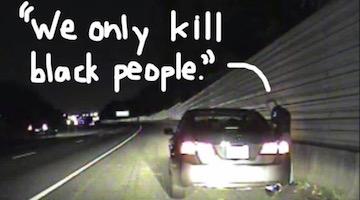 “If having black faces in high and not so high places doesn’t save our lives why should we support them at all?”
 “Kanye West merely represents what happens when the Black misleadership class begins to reflect the crisis of the US system.”
 “The systematic violence could not have occurred without the ongoing support from the U.S.”
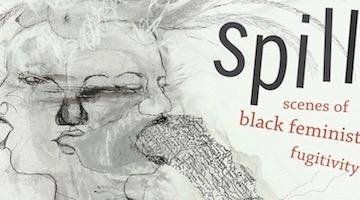 “Spill is about freeing up our imaginations and our bodies for a world we deserve and yet don’t know how to narrate.”
 “All of the women in the book envisioned new and expansive visions of black liberation.”



