National Wave of Privatization Scandals and Disasters Ignored By Media, Concealed From Public
A Black Agenda Radio commentary by Bruce A. Dixon
The real costs of the $17 trillion bankster bailout, along with the untold trillions more spent for wars in the Middle East and America's global empire have come home. States and counties can no longer pay for the ordinary functions of government. Cities and towns can't repair streets and bridges, maintain water systems or fund libraries. Since the war and the bailouts are massively unpopular, you could say the ultimate cause of it all is a lack of democracy.
But the solution local and state governments, encouraged by Wall Street and the business class automatically reach for is even less democratic, and far more costly. That so-called solution is privatization of public assets and even the core functions of government.
The public policy information clearinghouse ProgressiveStates.Org has released another update to its ongoing series of analyses on the evils of privatization, including accounts of recent privatization disasters, accounts of some of the true costs of these boondoggles, sweetheart deals and outright thefts, the positive steps some cities and states are taking to undue and prevent future privatizations, along with research tips and talking points for local groups trying to keep public assets functioning and public.
In a political system where the careers of politicians who award and renew the privatization contracts are financed by campaign contributions of the business class, corruption in privatized contracts is automatic and absolute. When politicians sit down to do the deal with contractor/contributors, there's never anybody at the table, or even in the building looking out for the public interest. The result is a never-ending string of privatization-related fraudulent claims, scandals and civic disasters, most of which are ignored by the mainstream news outside the local areas in which they occur.
Thus highway and welfare privatizations in Indiana and Texas, where IBM got itself paid billions of tax dollars to lose records, introduce bureaucratic delays and deny benefits to needy people are practically unknown outside the media markets in which they happened. Likewise with Chicago's 75 year giveaway of its downtown underground garages and parking meters for more than a billion less than their actual worth, a deal the mayor moved through the City Council in only two days. Citizens are of course, suing the city in the attempt to reverse the deal.
But whether we're talking zoos or libraries, custodial services or youth shelters, , ambulance services, airports, payroll and benefits administration, workmens' comp, elementary and high schools, construction engineering jobs,or entire transit networks privatizations strip assets from the public domain which taxpayers have invested in, sometimes for generations. Privatizations make the assets and their operational data which used to belong to and be operated in the interest of the many, the private property of the few, no longer subject to public scrutiny or oversight. Privatizations are thefts of public assets, pure and simple, which is why they are invariably championed by business schools and chambers of commerce. They make the rich richer, and the rest of us, well, you know.
For more information on what privatizations may be happening in your neck of the woods and how to fight them, visit progressivestates.org.
For Black Agenda Report, this is Bruce Dixon. On the web you can find us at www.blackagendareport.com.

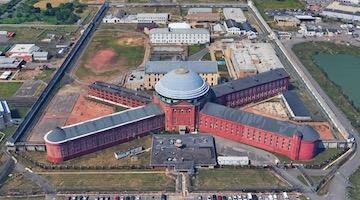 In 1990, Lawrence Bell was 14, orphaned and living in an abandoned house when three Camden cops pressured him to sign a confession of murder.
 The US university is marked by the dominance of intellectual white liberalism in tension and complicity with conservative nationalism and neoliberalism.
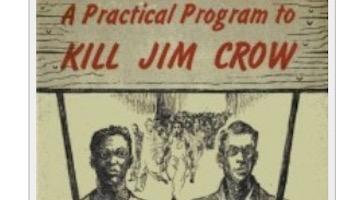 Alabama Communists helped lay the foundation for the organized civil rights movement that emerged in the late 1940s and early ’50s.
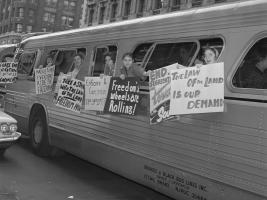 Prison and police abolition were key to the thinking of many midcentury civil rights activists.
 If there’s ever a time when a Reconstruction might actually lead to democratization and the end of American imperialism, this is the opportunity, says Robin D.G. Kelley.



