Click the flash player below to listen to or the mic to download an mp3 copy of this BA Radio commentary.
Cheating one's employees is as American as apple pie, according to a new study. Two-thirds of low-wage workers are routinely robbed by their bosses, hard evidence of “a festering culture of business thievery at work – something deeply embedded in the way this society operates.”
Doing Business in the USA: A Culture of Thievery
A Black Agenda Radio commentary by Glen Ford
“Blacks are robbed by their bosses at three times the rate of whites.”
A new study of employer practices in low-wage sectors of the U.S. economy shows a pervasive disregard for the rights of workers. To put it bluntly, the bosses routinely steal their workers blind. No shame, just business.
The study surveyed over 4,000 employees in low-wage industries in New York, Chicago and Los Angeles and found that 68 percent believed they had been cheated in the previous week on the job. The typical worker was robbed of $51 by the boss: a 15 percent loss in pay for the week. Women are far more likely to be cheated than men, and it should come as no surprise that Blacks are robbed by their bosses at three times the rate of whites.
The study, titled “ Broken Laws, Unprotected Workers ,” is a horror story that documents how employers routinely fail to pay for hours worked, or to pay the minimum wage, and successfully pressure employees not to complain when their earnings are stolen, or when they are seriously injured. Most shocking, is the sheer pervasiveness of employer lawlessness. Cheating one’s workers is standard business practice in low-wage America, especially when those workers are female and Black. There is much more going on here than a lack of enforcement of workplace laws and regulations. When 68 percent of low-wage workers are methodically cheated by the boss, week after week, month after month, then we are witnessing a festering culture of business thievery at work – something deeply embedded in the way this society operates.
“The typical worker was robbed of $51 by the boss: a 15 percent loss in pay for the week.”
When poor Black people are said to be engaged in patterns of unlawful or anti-social behavior, the larger society is quick to conclude that the cause is something in the culture, that African Americans are predisposed to crime, or drugs, or bad habits of living. The theory of Black cultural pathology has no basis in science, but is nonetheless readily believed by those who want to believe.
However, the systematic robbery of workers, especially Black workers, is seldom ascribed to deep and abiding defects in the larger American culture. Such a conclusion would challenge the national mythology, that American culture values and rewards hard work and honest dealings with one’s neighbors. The descendants of Black slaves and Native Americans know better. They know that the revered Founders of this country valued most of all that which they could get for free: free land from dead Indians, free labor from enslaved Africans.
America has always valued conquest and accumulation, and devalued the conquered and those who were forced to labor. Its cultural values were forged in relationships of dominance and deceit. Systematic thievery is anything but alien to American history and culture. These perverse values still prevail. New economic data show U.S. worker productivity is up 6.6 percent . That means employees are working harder for the same or less pay. Only culturally depraved people would consider that cause for celebration. BAR executive editor Glen Ford can be contacted at Glen.Ford@BlackAgendaReport.com.

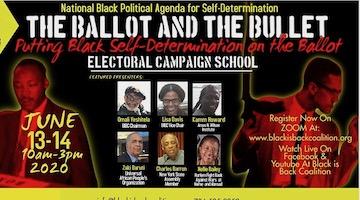 Since the smashing of the Black Liberation Movement, “the electoral process has been monopolized by the petit-bourgeois sell-out sector,” said Omali Yeshitela, chairman of the
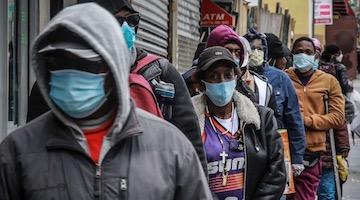 Not just Trump, but the whole US ruling class must pay for the mass Covid death toll among Blacks, because only the ruling class has the power to systematically allocate life-death chances for
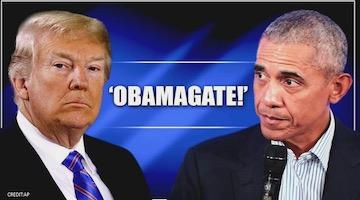 Obama’s fans like to think of the First Black President as scholarly and above the fray of dirty politics, but he appears to have conspired with the FBI to set up the incoming administration.
 The threat that the American Left sees in China aligns with the white supremacist underpinnings of American exceptionalism.
 The elevation of anti-blackness as a kind of universal problem eliminates the basis for solidarity among the colonized and puts some African Americans on the side of U.S. imperialism.



